
In 2025, sales of electric vehicles (EVs) in India reached an all-time high, with volumes increasing across all segments.
SUV demand, a greater selection of models, and heightened competition among automakers all contributed to strong growth.
With nearly 1.76 lakh units sold in 2025, a 77% increase over the 99,693 units sold in 2024, India's electric passenger vehicle (EV) market saw its highest success to date. Despite persistent price sensitivity and wider industry challenges, this strong rise highlights an increasing demand for EVs among Indian consumers.
In 2025, sales of electric vehicles exceeded 11,000 units throughout the majority of the year, with October being the most notable month with 19,161 sales, the highest monthly total.
Throughout the year, momentum was maintained by a mix of growing model availability and robust demand for SUVs and multipurpose vehicles.
Who's Taking the Lead
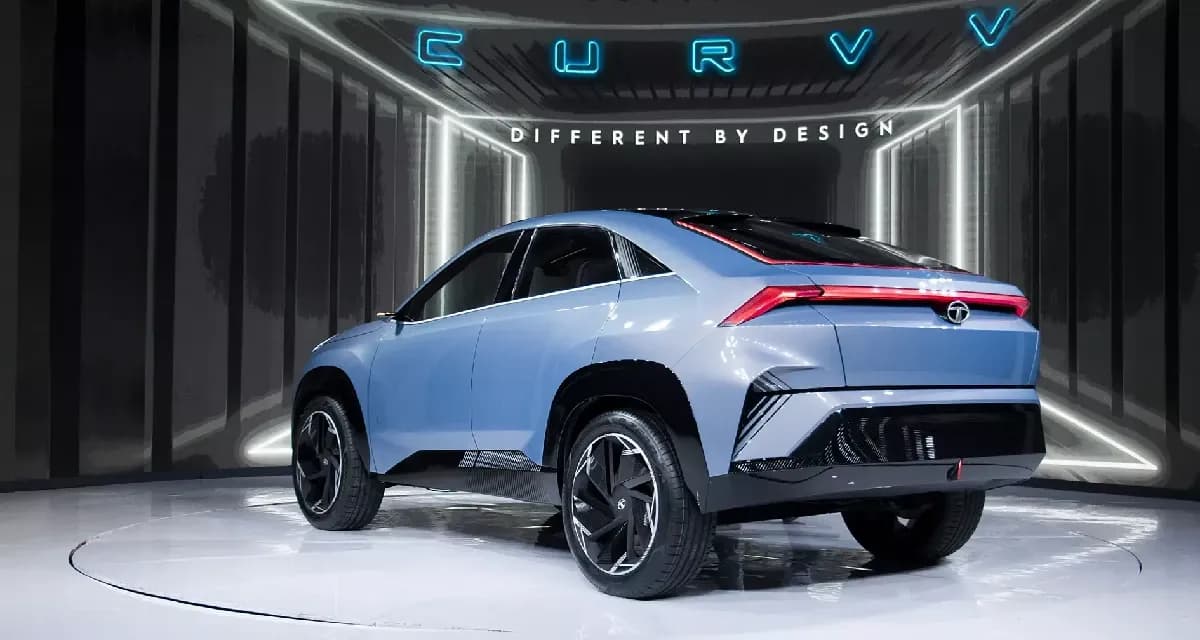
With about 70,000 units sold, Tata Motors continued to be the biggest seller of electric passenger cars among automakers. However, as other manufacturers narrowed the gap due to intense rivalry, its market share decreased from the prior year.
JSW MG Motor India became a prominent competitor, achieving about 51,376 units throughout the year and increasing sales by more than 130%. This increase was facilitated by the Windsor EV and other models, demonstrating how diverse products appeal to a wider range of consumers.
Broader Trends in the Market
Over 40% of all new passenger vehicle debuts in 2025 were electric models, which contributed to the record sales year. EVs continued to be quite popular with purchasers who care about the environment, even if governmental reforms like lowering the Goods and Services Tax (GST) on conventional cars somewhat reduced the price difference.
Demand for luxury EVs also increased, with BMW and Mercedes-Benz dominating high-end markets and adding to the overall growth narrative, indicating that EV adoption is spreading among various consumer demographics.
Also read: