Car Insurance Companies in India



Faster and easier claims

Comprehensive coverage

Value for money
Why Choose
Park+

One platform. Multiple car insurance providers. Comparison made easy.

Get up to
90% Discounts

support
assistance

Get policy
in 2 mins

cashless &
secure claims
Why Choosing the Best Car Insurance Company in India Matters
Car insurance is not merely a legal obligation in India; it is a critical financial instrument that protects you, your vehicle, and third parties from the unpredictable costs of road incidents. With a rapidly growing number of insurers and an increasingly complex range of policy options, selecting the right cover demands careful evaluation rather than a cursory comparison of premiums alone.
Finding the car insurance companies in India to trust can save you thousands of rupees and a great deal of stress and to help you in this journey, we have prepared a comprehensive, data-backed overview of the best car insurance companies in India, assessed on the parameters that matter most: claim settlement ratio, cashless garage network, premium affordability, and add-on flexibility.
List of Top Car Insurance Companies in India
Based on claim settlement ratios, network garages, premium affordability, and overall customer trust, here are the leading names in the Indian car insurance space as of 2026:
| Insurer | Cashless Network Garages | Premium Starts From | Personal Accident Cover | Claim Settlement Ratio (CSR) |
|---|---|---|---|---|
| HDFC ERGO | 12,000+ | Rs. 2,094/year | Up to Rs. 15 Lakh | 99.8% |
| ICICI Lombard | 7,000+ | Rs. 2,094/year | Up to Rs. 15 Lakh | 96.75% |
| Bajaj General | 7,200+ | Rs. 2,094/year | Up to Rs. 15 Lakh | 98.54% |
| TATA AIG | 5,700+ | Rs. 2,094/year | Up to Rs. 15 Lakh | 99% |
| Go Digit | 9000+ | ₹2,094/year | Up to ₹15 Lakh | 96% |
| United India Insurance | 3,100+ | ₹1,994/year | Up to ₹15 Lakh | 95% |
| National Insurance Company | 3,100+ | ₹2,094/year | Up to ₹15 Lakh | 93% |
| IndusInd General Insurance Company Limited | 11,000+ | Rs. 238/month | Up to Rs. 15 Lakh | 98% |
| Acko car insurance | 4,000 | Rs. 2,094/year | Up to Rs. 15 Lakh | |
| Royal Sundaram | 8,000+ | Rs. 2,094/year | Up to Rs. 15 Lakh | 98.6% |
| SBI General | 7,000+ | Rs. 2,094/year | Up to Rs. 15 Lakh | - |
| Zurich Kotak General Insurance company | 5,700+ | Rs. 2,094/year | Up to Rs. 15 Lakh | 98% |
| Liberty General | 5,500+ | Rs. 2,094/year | Up to Rs. 15 Lakh | 98% |
*The CSR might vary depending on the year and the type of car insurance policy.
HDFC ERGO Car Insurance: Trusted by over 1.6 crore customers, HDFC ERGO stands out for doorstep windshield repairs and overnight vehicle servicing. They also offer a specific range of add-ons for EV owners, which is increasingly relevant in today's market. Their network of 12,000+ garages is one of the largest in the country.
ICICI Lombard Car Insurance: Known for its InstaSpect technology that enables instant claim settlement, ICICI Lombard covers electric vehicles. Over 7,000 network garages are available across India.
Bajaj General Car Insurance: A household name in Indian insurance, Bajaj General carries a garage network exceeding 7,200. Their 24/7 roadside assistance and engine protection add-ons are particularly popular among long-distance drivers.
TATA AIG Car Insurance: Premiums starting from Rs. 2,094 per year, with over 5,700 cashless garages. TATA AIG's no-claim bonus of up to 50% is one of the most rewarding in the industry.
Go Digit Car Insurance: A digital-first insurer trusted by over 7 crore policyholders, Go Digit offers premiums from ₹2,094 per year with a 9,000+ cashless garage network. Add-ons include zero depreciation, engine protection, return to invoice, and an EV Shield cover for electric vehicle owners.
United India Insurance: A government-owned insurer since 1972, United India offers the most affordable premiums on this list, backed by a 3,100+ garage network. Coverage includes accidents, theft, fire, natural calamities, and third-party liabilities, with add-ons such as zero depreciation and NCB protection.
National Insurance Company: India's oldest general insurer, established in 1906 and fully government-owned. Premiums start from ₹2,094 per year with a 3,100+ garage network and coverage across accidents, theft, fire, natural calamities, and third-party liabilities. Add-ons include Nil depreciation, invoice protect, engine protect, and 24x7 roadside assistance.
IndusInd General Insurance Company Limited: Backed by a network of over 11,000 garages and trusted by more than 5 crore customers, Premiums start at just Rs. 238 per month, making it one of the most accessible options available. The breadth of add-ons is also impressive, covering everything from EV battery protection to emergency hotel accommodation.
Acko Car Insurance: A digital-first insurer that has quietly become one of the best car insurance companies in India. Acko is particularly well-suited to those who prefer managing everything from their phone.
Royal Sundaram Car Insurance: With over 2 crore satisfied customers, Royal Sundaram offers robust coverage that extends to hybrid electric vehicles. Their cashless network spans over 8,000 garages across the country.
SBI General Car Insurance: Backed by the credibility of India's largest public sector bank, and covers everything from CNG/LPG bi-fuel kits to natural disaster damage. A solid, dependable choice.
Zurich Kotak General Car Insurance Co.: A relatively newer entrant compared to some others on this list, with over 5,700 garages and solid add-on options, it is a reasonable choice for budget-conscious buyers.
Liberty Car Insurance: Premiums starting from Rs. 2,094 per year with a 5,500+ garage network. Liberty's passenger assistance cover and daily allowance add-on make it practical for families and frequent travellers.
What is the Claim Settlement Ratio in Car Insurance?
The car insurance claim settlement ratio (CSR) is one of the single most useful metrics when evaluating an insurer, and one of the most overlooked by first-time buyers. Simply put, the CSR tells you what percentage of claims filed with an insurer were actually settled (i.e., paid out) in a given financial year. If a company received 1,000 claims and settled 980 of them, its CSR is 98%.
A high CSR, anything above 95%, generally indicates that the insurer processes claims fairly and does not look for excuses to reject them. A lower CSR should prompt you to ask why: is it due to policyholder error, fraudulent claims, or a company that is genuinely difficult to deal with when things go wrong?
It is important to note that CSR alone is not the full picture. Some insurers settle a high volume of small claims quickly but struggle with large or contested ones. Always pair CSR data with customer reviews to get a genuinely rounded view.
How to Choose the Best Car Insurance Company in India?
Picking the right insurer is less about chasing the lowest premium and more about finding the best overall value for your specific situation. Here is what actually matters: Right Car Policy Type
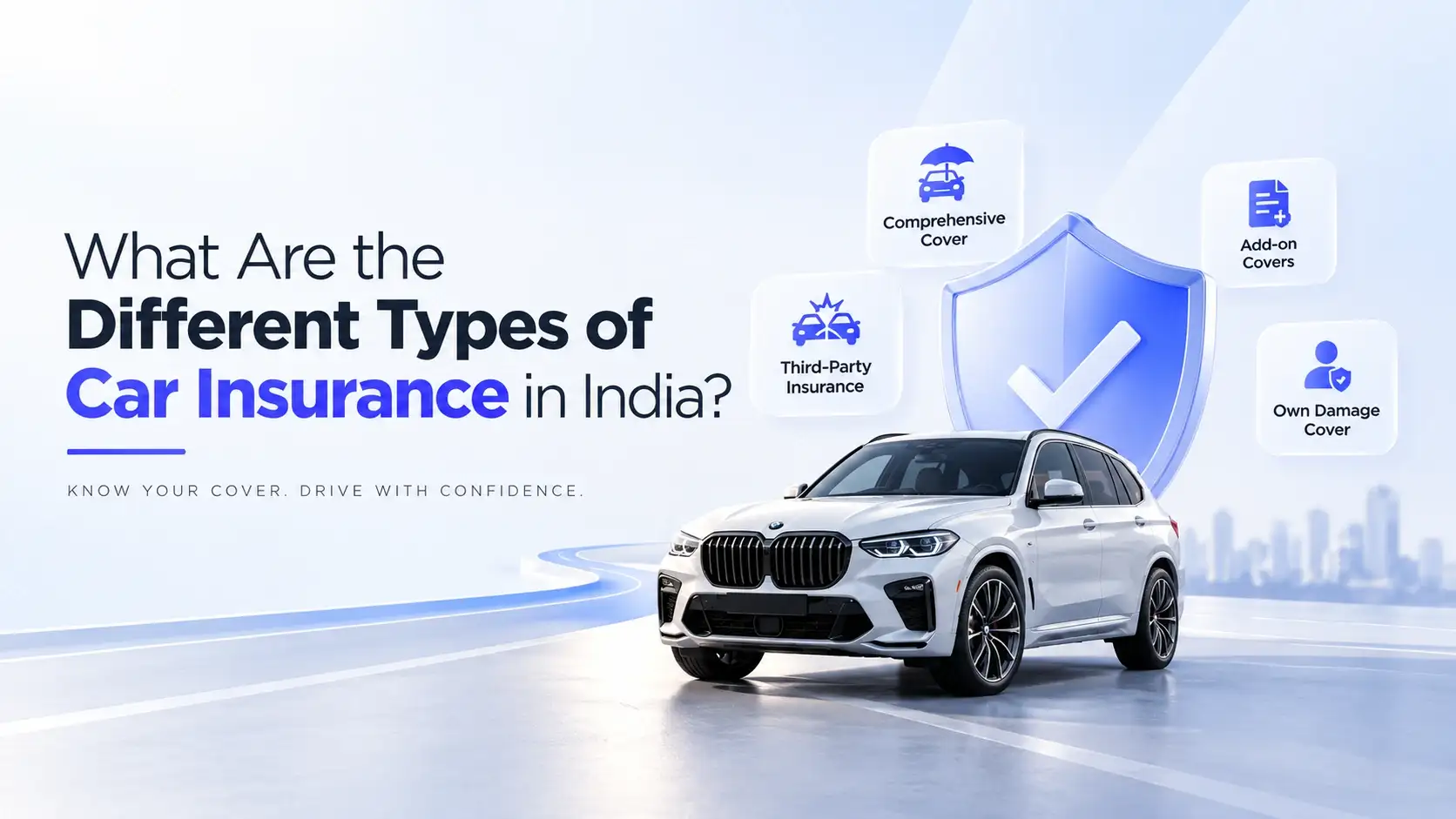
There are three main types of car insurance in India:
| Policy Type | What It Covers | Best For |
|---|---|---|
| Third-Party Insurance | Damage or injury caused to others | Legal minimum; older/low-value cars |
| Own Damage (OD) Insurance | Damage to your own vehicle only | Standalone OD for cars with existing TP cover |
| Comprehensive Insurance | Both third-party liability + own damage | New cars and most car owners |
For most car owners, especially those with relatively new or expensive vehicles, a comprehensive policy is the most sensible choice. It is the only type that truly protects you from both ends of an accident.
For most car owners, especially those with relatively new or expensive vehicles, a comprehensive policy is the most sensible choice. It is the only type that truly protects you from both ends of an accident.
Claim Settlement Ratio (CSR)
Always check the latest CSR figures before committing to an insurer. The Insurance Regulatory and Development Authority of India (IRDAI) publishes these annually. Look for figures from the most recent financial year, as older data can be misleading given how rapidly the industry changes.
Cashless Garage Network
A cashless garage is one where your insurer has a tie-up with the workshop, meaning you do not have to pay out of pocket and wait for reimbursement. The garage bills the insurer directly, and you simply pay whatever is not covered (such as a deductible or non-covered items).
When you compare car insurance India options, pay close attention to the number of cashless garages in your specific city or town. A figure of 10,000 garages across the nation means very little if none of them is conveniently located near you.
Online Comparisons
There are platforms online that allow you to compare car insurance India offerings from multiple insurers side by side in real time. This gives you a clear view of premiums, IDV, coverage scope, and available add-ons, all without having to ring a dozen customer care lines. Always use at least one aggregator before making a final decision.
Insured Declared Value (IDV)
IDV is the current market value of your vehicle as determined by your insurer. It represents the maximum amount you would receive if your car is stolen or declared a total loss. A higher IDV means better coverage in worst-case scenarios, but also a slightly higher premium. A lower IDV reduces your premium but leaves you dangerously underinsured. Do not artificially lower your IDV just to save a few hundred rupees off the annual cost; it rarely pays off when a serious claim arises.
Add-On Options
Choose an insurer whose list of car insurance add-ons aligns with your actual lifestyle. If you live in a flood-prone area, engine protection is non-negotiable. If you regularly drive at night or on highways, roadside assistance is worth every rupee.
Customer Reviews & Service
Claims are, by definition, stressful events. The last thing you want is an insurer who is pleasant at the point of sale but unreachable or obstructive when you file a claim. Look up genuine reviews on consumer forums, ratings, and dedicated insurance review platforms. Pay particular attention to how quickly claims are processed and whether the company communicates clearly throughout.
Must-Have Car Insurance Add-Ons for Enhanced Protection
Standard comprehensive policies cover a great deal, but certain situations fall through the cracks. This is where car insurance add-ons come in, optional extras that sit on top of your base policy for a modest additional premium. The right add-ons can mean the difference between a partial payout and full reimbursement.
| Add-On | What It Covers | Who Needs It Most |
|---|---|---|
| Zero Depreciation Cover | Full part replacement value without depreciation deduction | Cars under 5 years old |
| Engine Protection | Engine/gearbox damage from flooding or oil leakage | Anyone in a monsoon-prone area |
| Return to Invoice | Full ex-showroom price if the car is stolen or totalled | New car owners |
| 24x7 Roadside Assistance | Breakdown help, towing, fuel delivery | Highway/long-distance drivers |
| NCB Protection | Preserves the no-claim bonus after one claim | Anyone with 3+ claim-free years |
| Consumables Cover | Engine oil, nuts, bolts, and filters during repairs | High-mileage drivers |
| Key Replacement | Cost of replacement keys and locks | Urban car owners; EV owners |
| Tyre Protection | Tyre/tube damage from road hazards | Drivers on poorly maintained roads |
Zero Depreciation Cover: Perhaps the most popular add-on in India. Normally, when your car is repaired after an accident, the insurer deducts depreciation from the payout, meaning older parts are compensated at less than their replacement value. Zero depreciation eliminates this deduction entirely. Strongly recommended for vehicles under five years old.
Engine Protection Cover: Standard policies do not cover engine or gearbox damage caused by water ingress or oil leakage. In India, where a single heavy monsoon can waterlog entire stretches of road, this is a genuinely critical addition.
Return to Invoice Cover: If your car is stolen or written off, standard policies pay the IDV, which is invariably lower than what you originally paid. Return to Invoice bridges that gap, ensuring you receive the full ex-showroom purchase price.
24x7 Roadside Assistance: Covers breakdown assistance, tyre changes, emergency fuel delivery, and towing. Invaluable if you regularly travel on highways or remote stretches.
No-Claim Bonus (NCB) Protection: Your NCB discount (up to 50%) can be wiped out by a single claim. This add-on protects your accumulated NCB even after you make one claim during the policy year.
Consumables Cover: Standard policies exclude consumables like engine oil, nuts, bolts, and filter replacements during repairs. This add-on covers those costs, which can add up considerably for a complex repair job.
Key Replacement Cover: Losing or damaging a car key is surprisingly expensive, especially for modern vehicles with electronic key fobs. This add-on covers the full cost of replacement.
Tyre Protection Cover: Covers damage to tyres and tubes caused by road hazards, something standard policies typically exclude.
How to Compare Car Insurance Companies Online on Park+?
Park+ help car owners find the best car insurance by allowing them to check quotes, read terms and conditions, premium amount and more to compare different plans.
The simple steps involved in comparing and buying a motor insurance through Park+ are:
Step 1. Visit the Park+ website.
Step 2. Enter your vehicle registration number or car details, make, model, year, fuel type, and city of registration.
Step 3. Get the multiple quotes from different insurers.
Step 4. Select the car insurer provider you find suitable after considering all the key factors.
Step 5. Read carefully the policy document, at least the key exclusions section. Understanding what is not covered is just as important as knowing what is.
Step 6. Finalise and purchase a car insurance policy online. Most insurers offer a discount (typically 5–10%) for buying directly through digital channels rather than through an agent.
Tips
Do not jump to the cheapest option. Instead, compare on four key dimensions: the IDV offered, the claim settlement ratio of each insurer, the number of cashless garages in your city, and the add-ons included or available.
Choosing a best car insurance company from the top providers in India is no longer as overwhelming as it once was, provided you know what to look for. Start with a high claim settlement ratio, verify the cashless garage network in your city, set a realistic IDV, and layer on the add-ons that suit your driving habits and location. Use car insurance premium calculator for comparing.
How to Avoid Hidden Costs While Choosing a Car Insurance Company?
A car insurance policy that looks cheap on paper can quietly become expensive through hidden charges and under-coverage. Here is how to stay ahead of them:
- Watch the IDV: Some insurers offer temptingly low premiums by setting an artificially low IDV. Always verify that the IDV quoted matches the actual current market value of your car before proceeding.
- Understand voluntary deductibles: A deductible is the amount you agree to pay from your own pocket before the insurer steps in. A higher voluntary deductible lowers your premium, but it also means you absorb more cost when you do make a claim. Choose this figure wisely rather than blindly maximising it just to lower your quote.
- Check sub-limits on add-ons: Some add-ons come with coverage caps. For instance, a roadside assistance add-on might cap towing charges at Rs. 1,500, which may not be enough if you break down 50 kilometres from the nearest garage.
- Beware renewal traps: Some insurers offer attractive first-year premiums but hike them significantly at renewal, particularly if you have made a claim. Ask about renewal pricing trends before signing on the dotted line.
- Policy endorsement fees: Small changes to your policy, updating an address, or adding a co-owner sometimes attract administrative charges. Always confirm whether your insurer levies these before you buy a policy.
A good car insurance policy is not the one that costs the least; it is the one that pays out fully and promptly when you actually need it. Take the time to choose wisely, and your future self will thank you.
Ready to find the right cover for your car? Compare quotes from India's top car insurance companies today and get the protection your vehicle deserves.
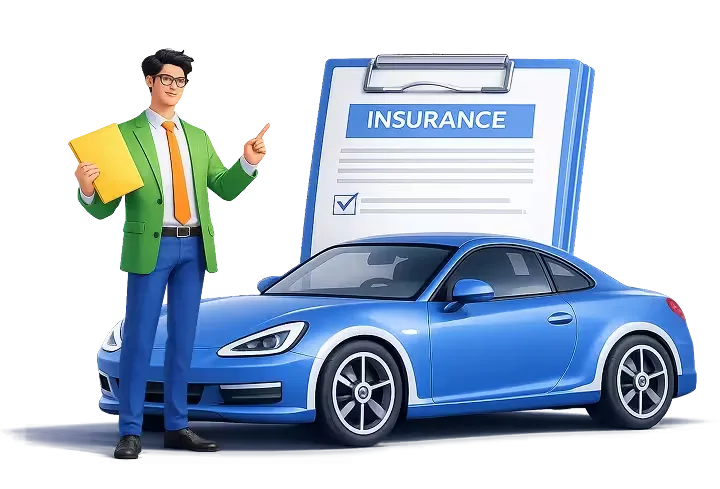

Top car insurance companies in India 2026
Car Insurance Providers | Claim Settlement Ratio (CSR) |
|---|---|
IN | 91.80% |
HDFC ERGO | 99% |
ICICI Lombard | 96.75% |
Go Digit | 96% |
Bajaj General | 98.5% |
National Insurance | 93% |
United India | 95% |
Liberty General Insurance | 98% |
Royal Sundaram | 98.6% |
Future Generali | 96.3% |
IFFCO-Tokio General | 95.8% |
Shriram General Insurance | 96% |
Chola MS General Insurance | 96% |
Zuno General Insurance | 98% |
SBI General Insurance | 98% |
Top Car Insurance Plans in India

ICICI Lombard
IDV
₹5,53,864

Zero depreciation

Cashless garage

+3 more ADD ONS
₹4,444
₹5,472
Exclusive of GST



View All Plans
How to avoid hidden costs while choosing a car insurance company?
Calculate your car insurance premium


























View all brands
Explore car insurance by model type
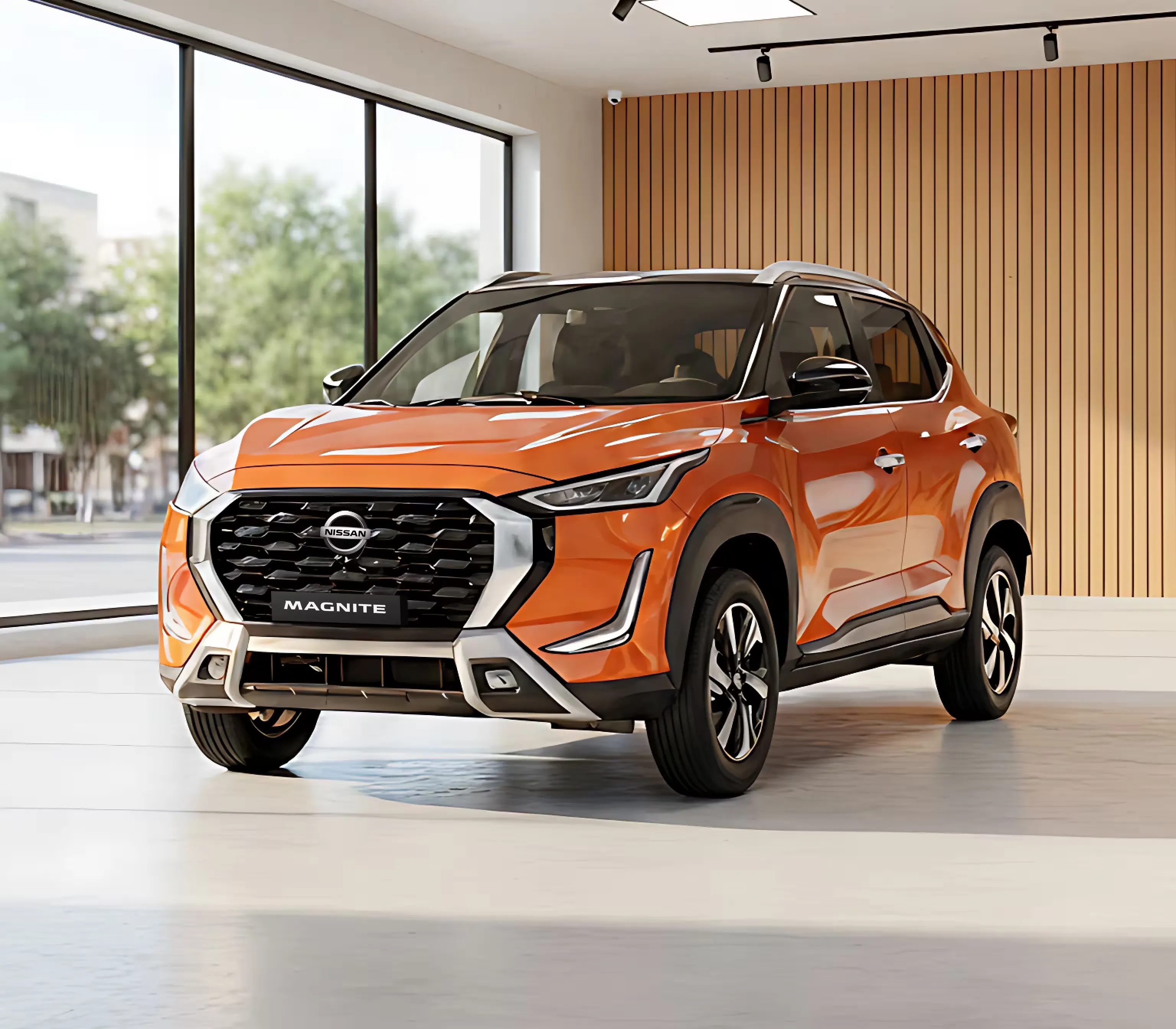
Nissan Magnite
Car Insurance
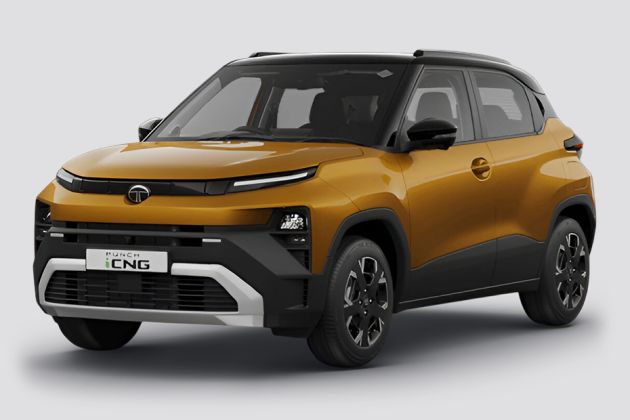
Tata Punch
Car Insurance
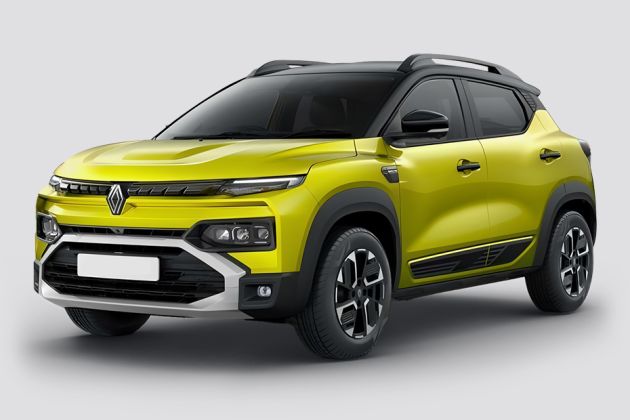
Renault Kiger
Car Insurance
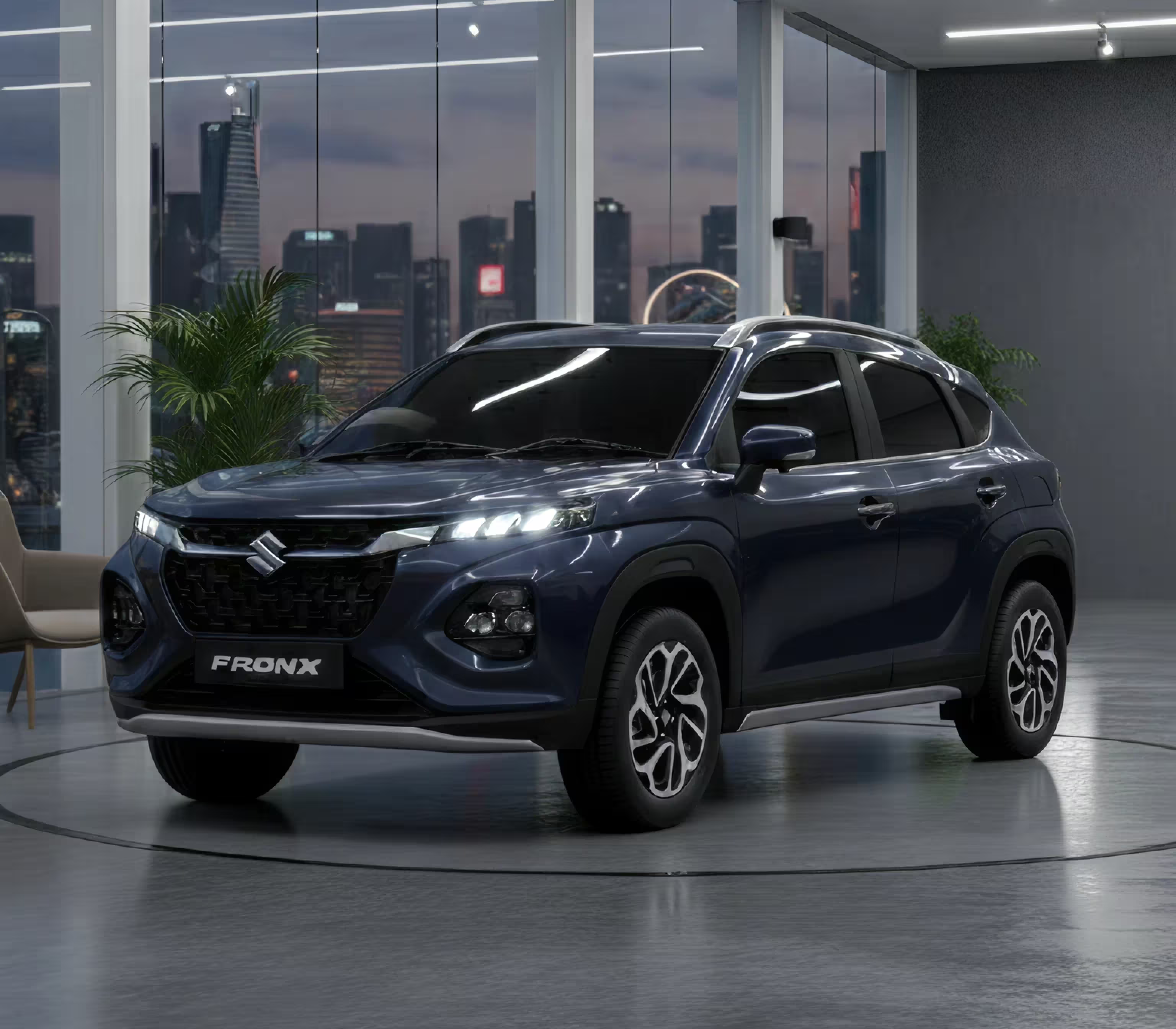
Maruti FRONX
Car Insurance
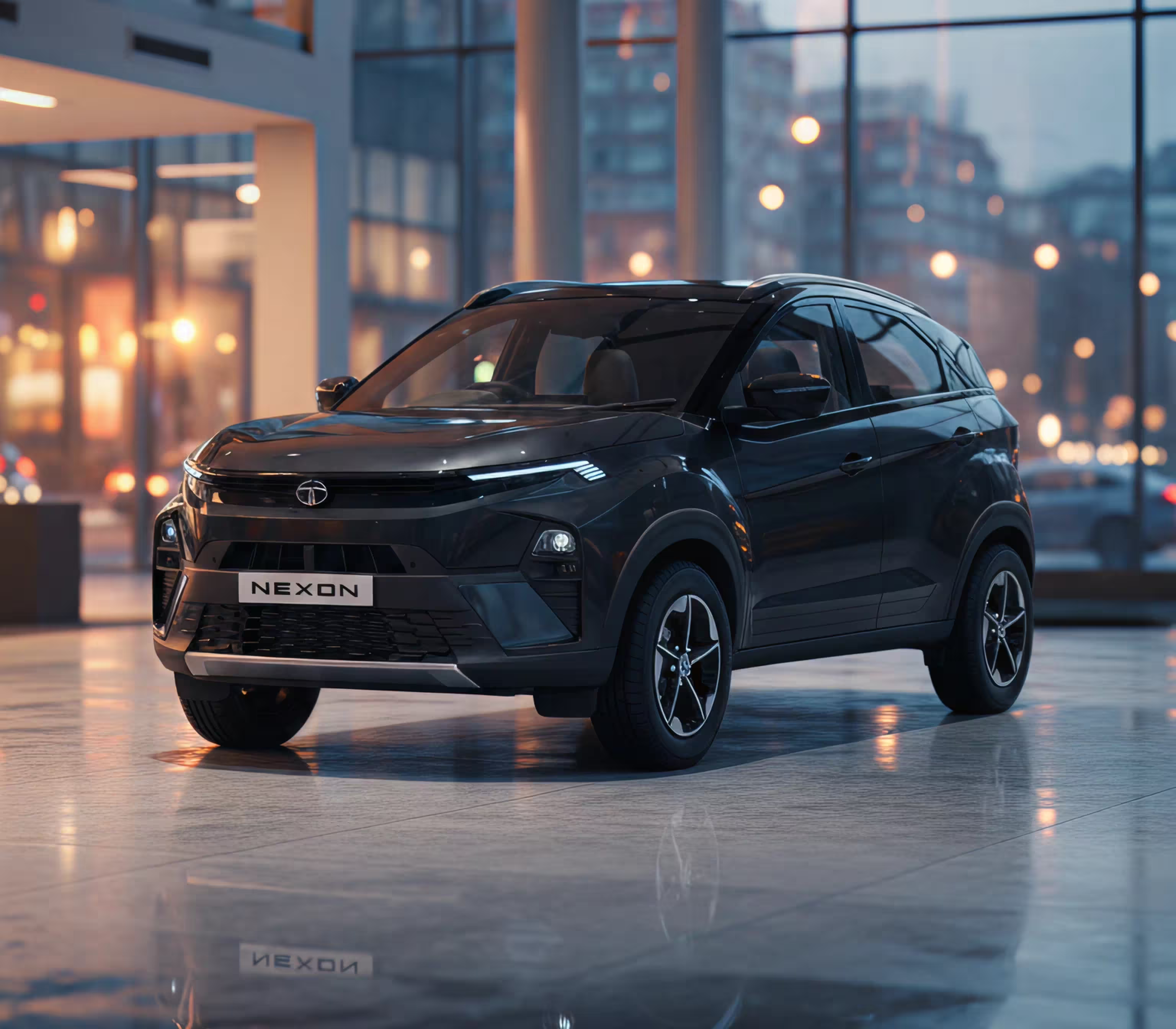
Tata Nexon
Car Insurance
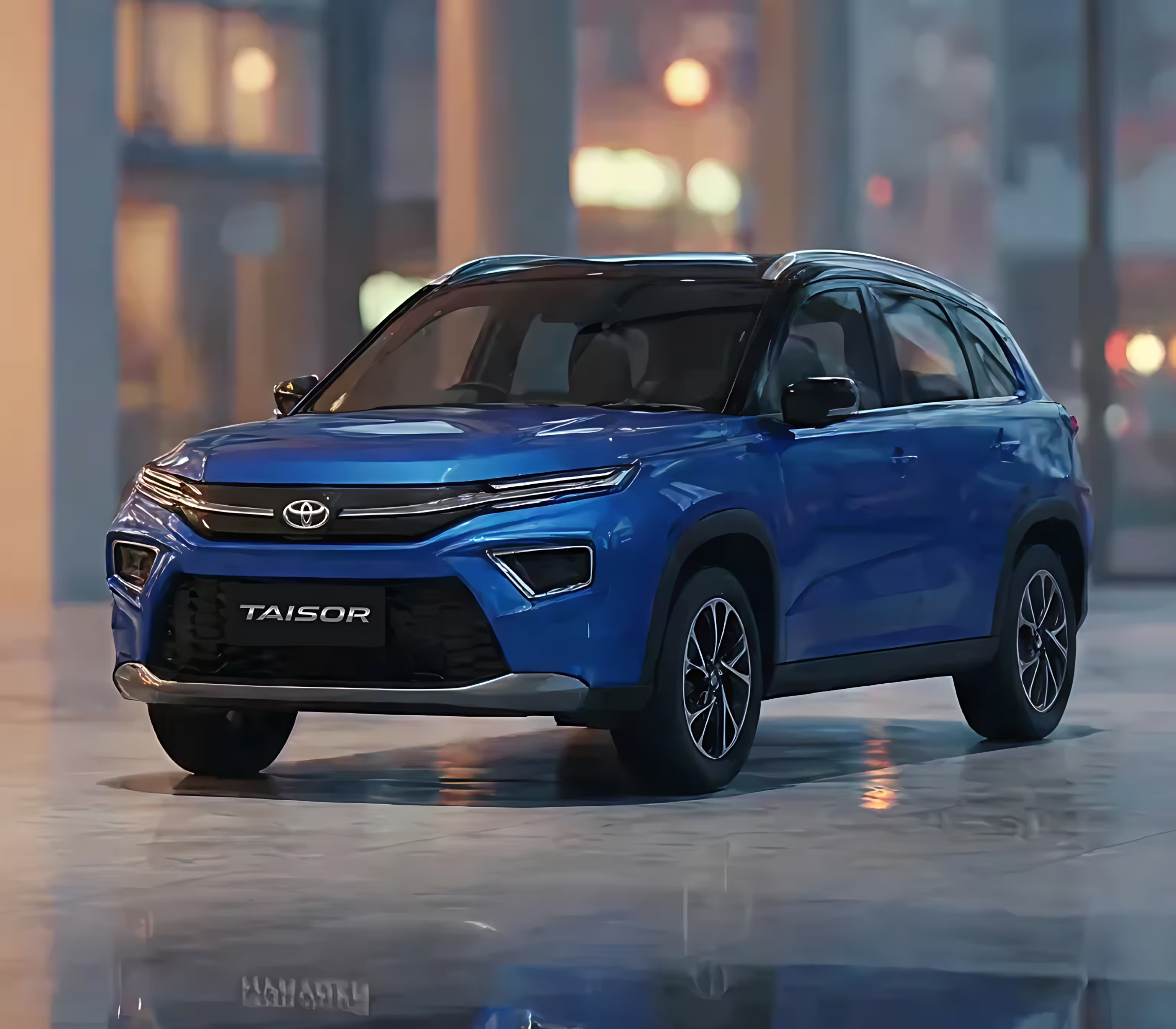
Toyota Taisor
Car Insurance
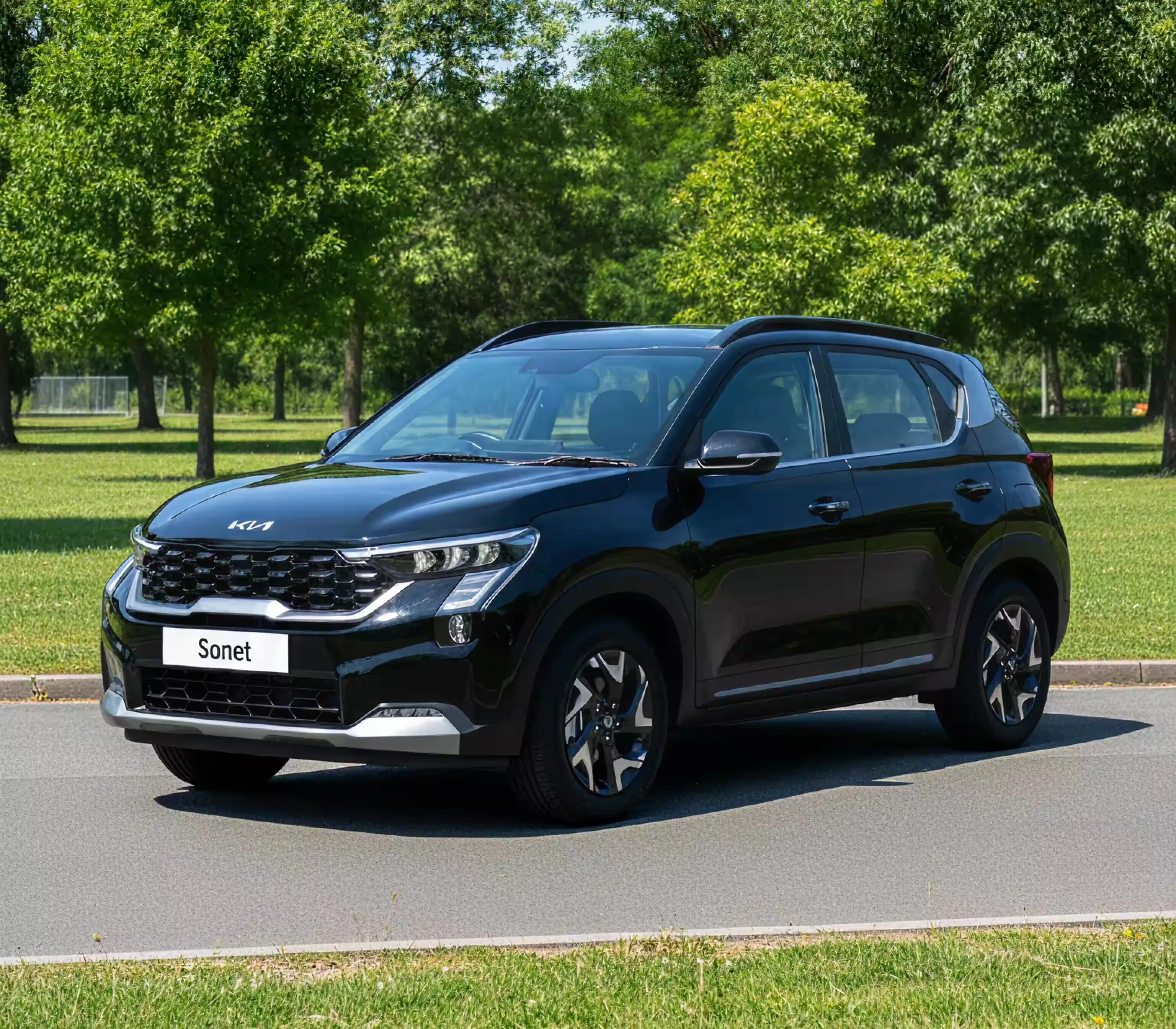
Kia Sonet
Car Insurance
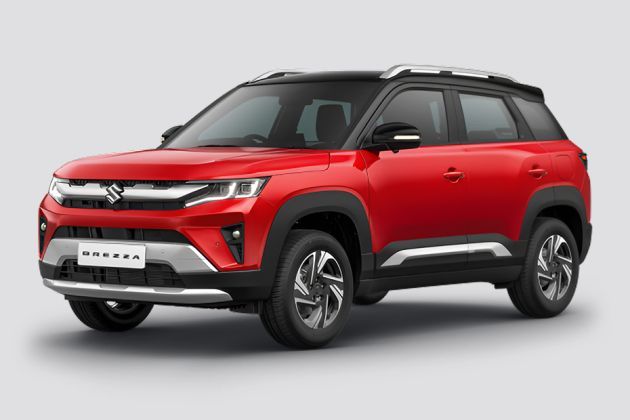
Maruti Brezza
Car Insurance
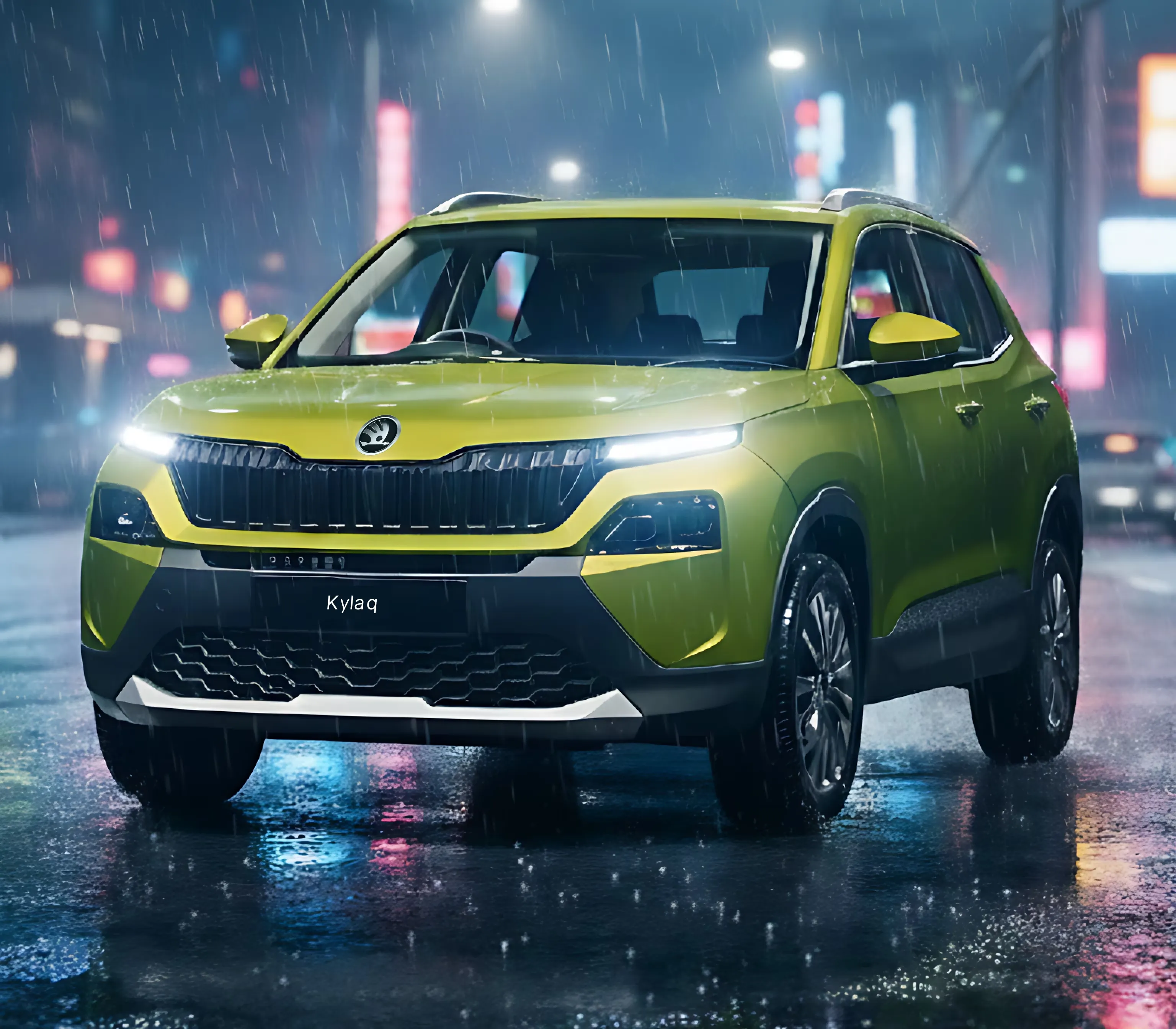
Skoda Kylaq
Car Insurance
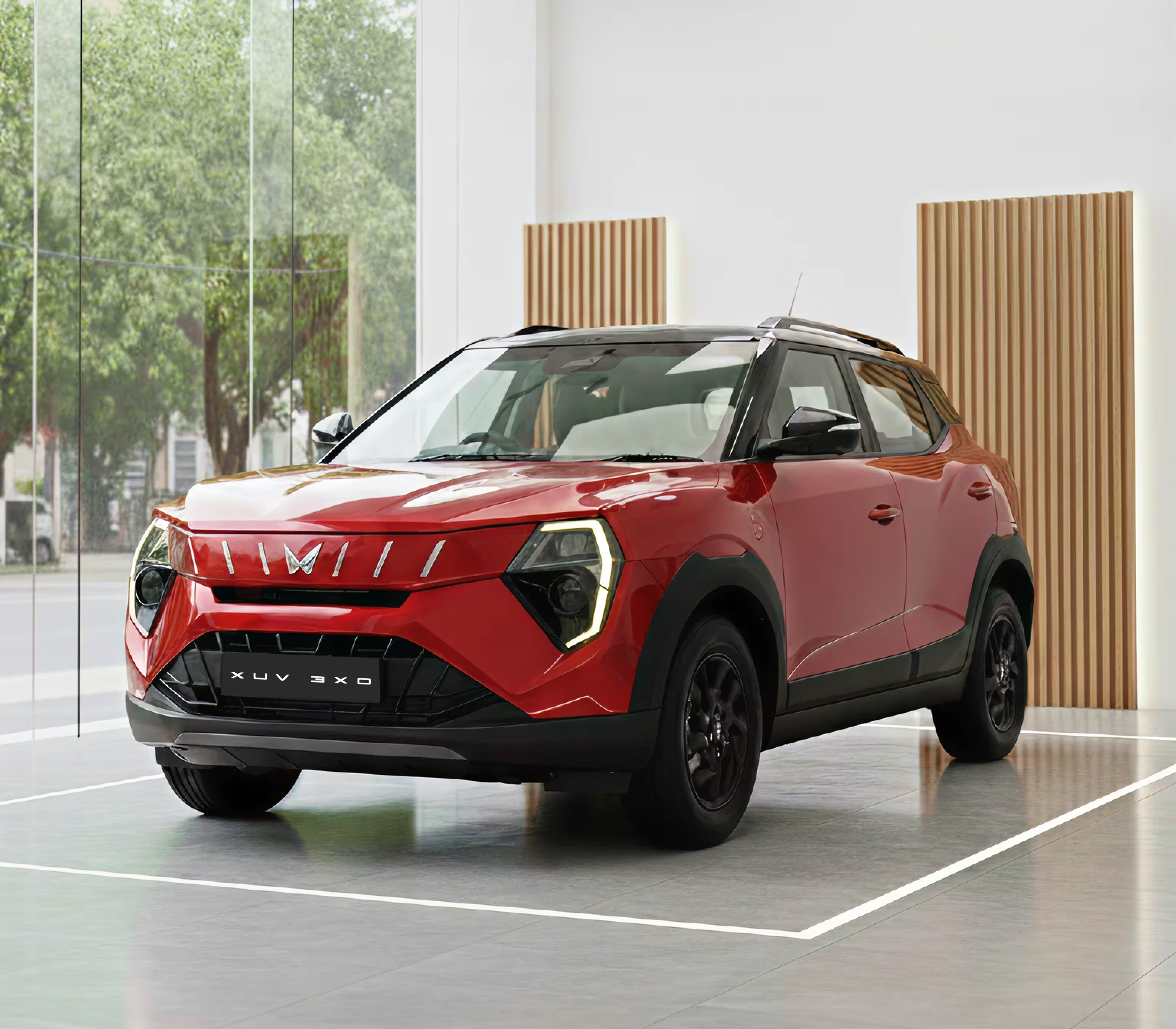
Mahindra XUV 3XO
Car Insurance
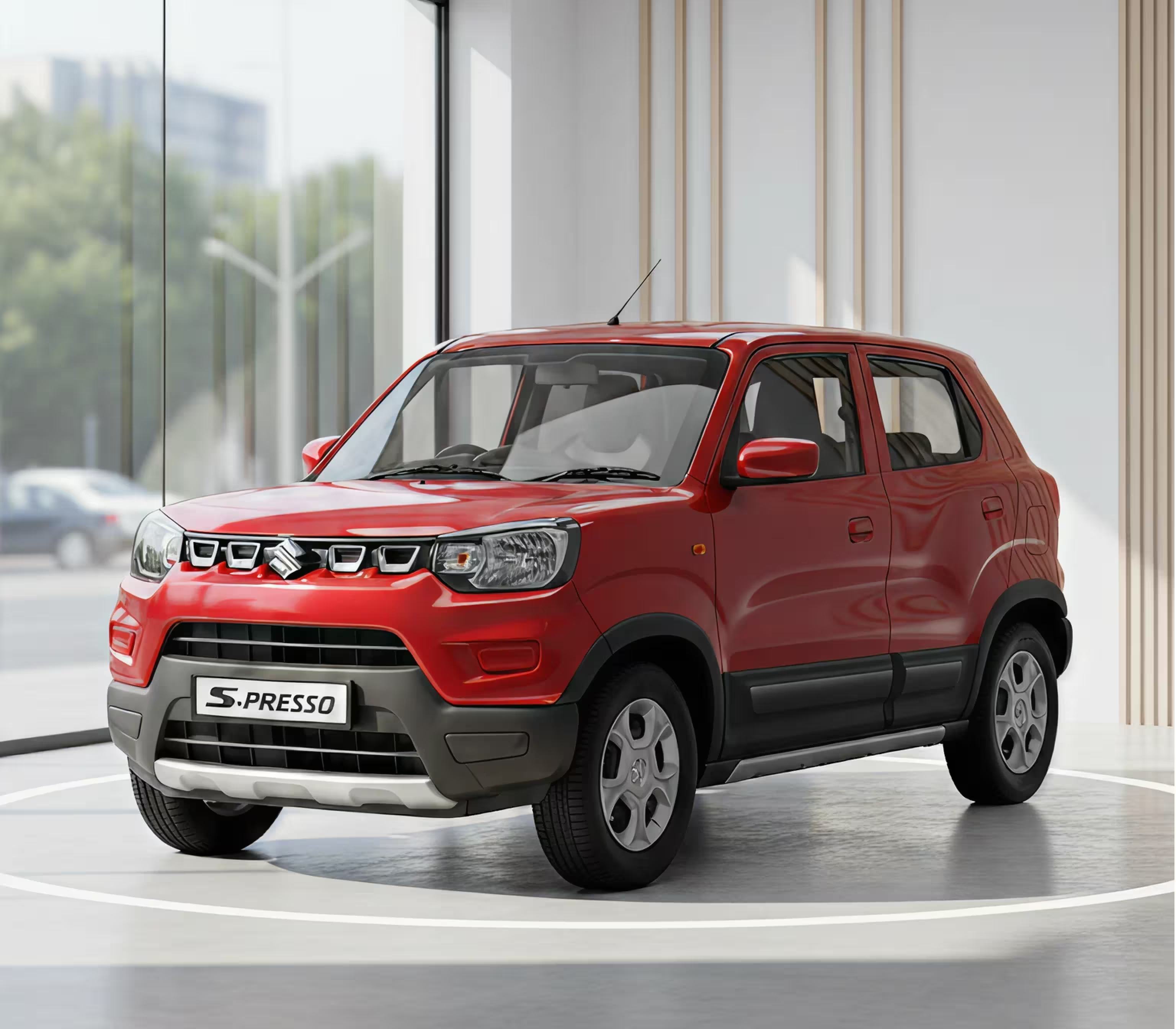
Maruti S-Presso
Car Insurance
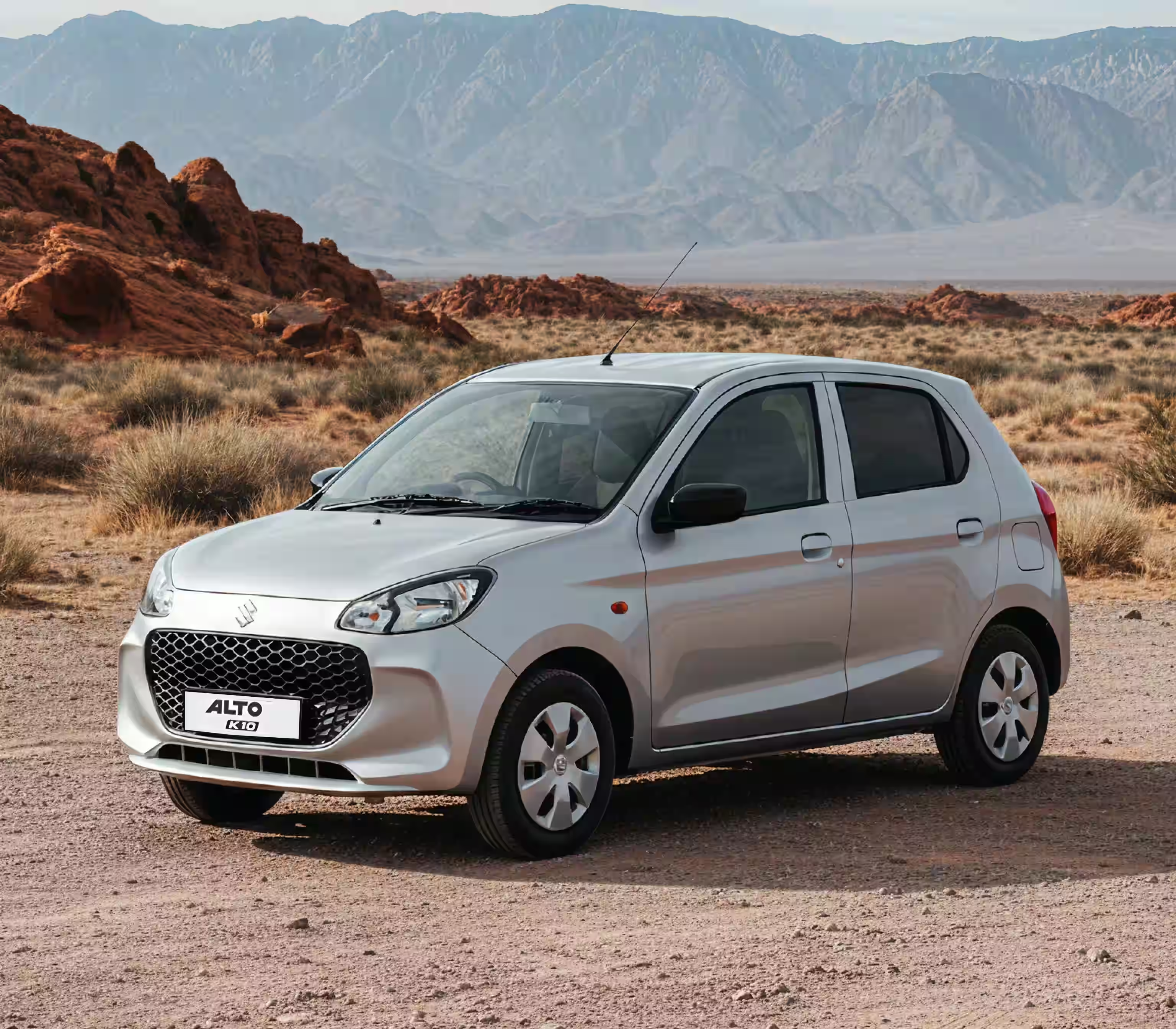
Maruti Alto K10
Car Insurance
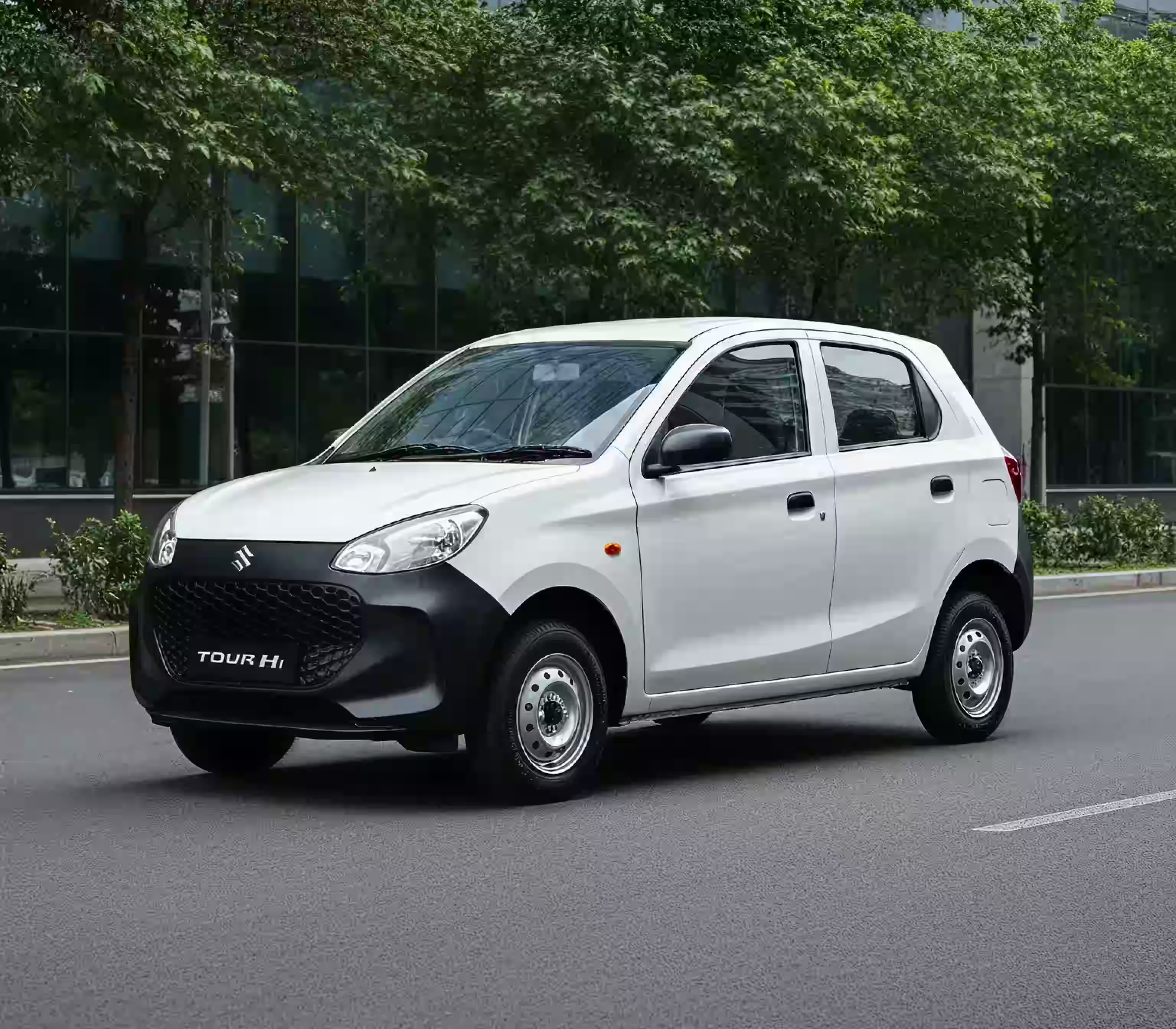
Maruti Alto Tour H1
Car Insurance
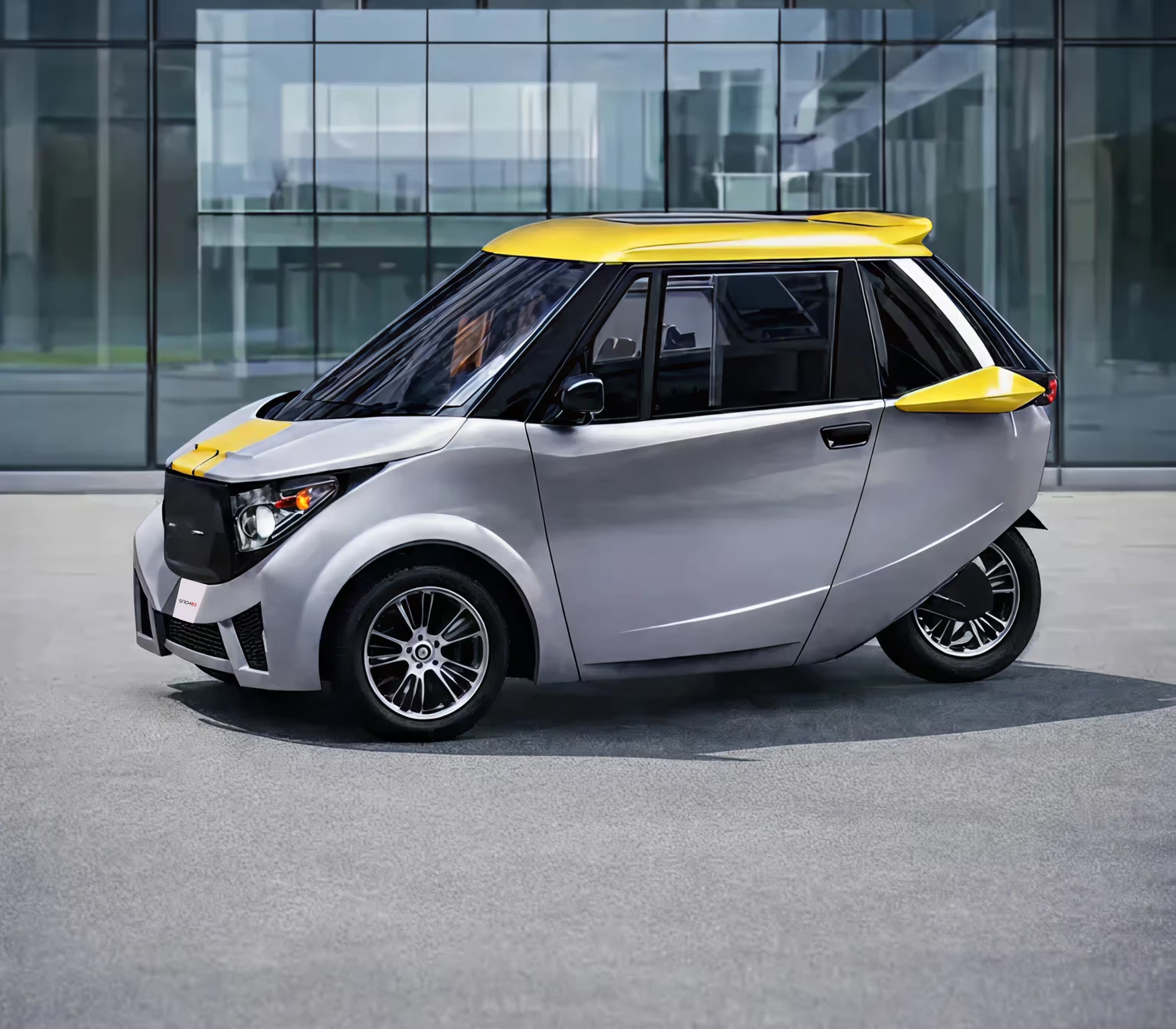
Strom Motors R3
Car Insurance
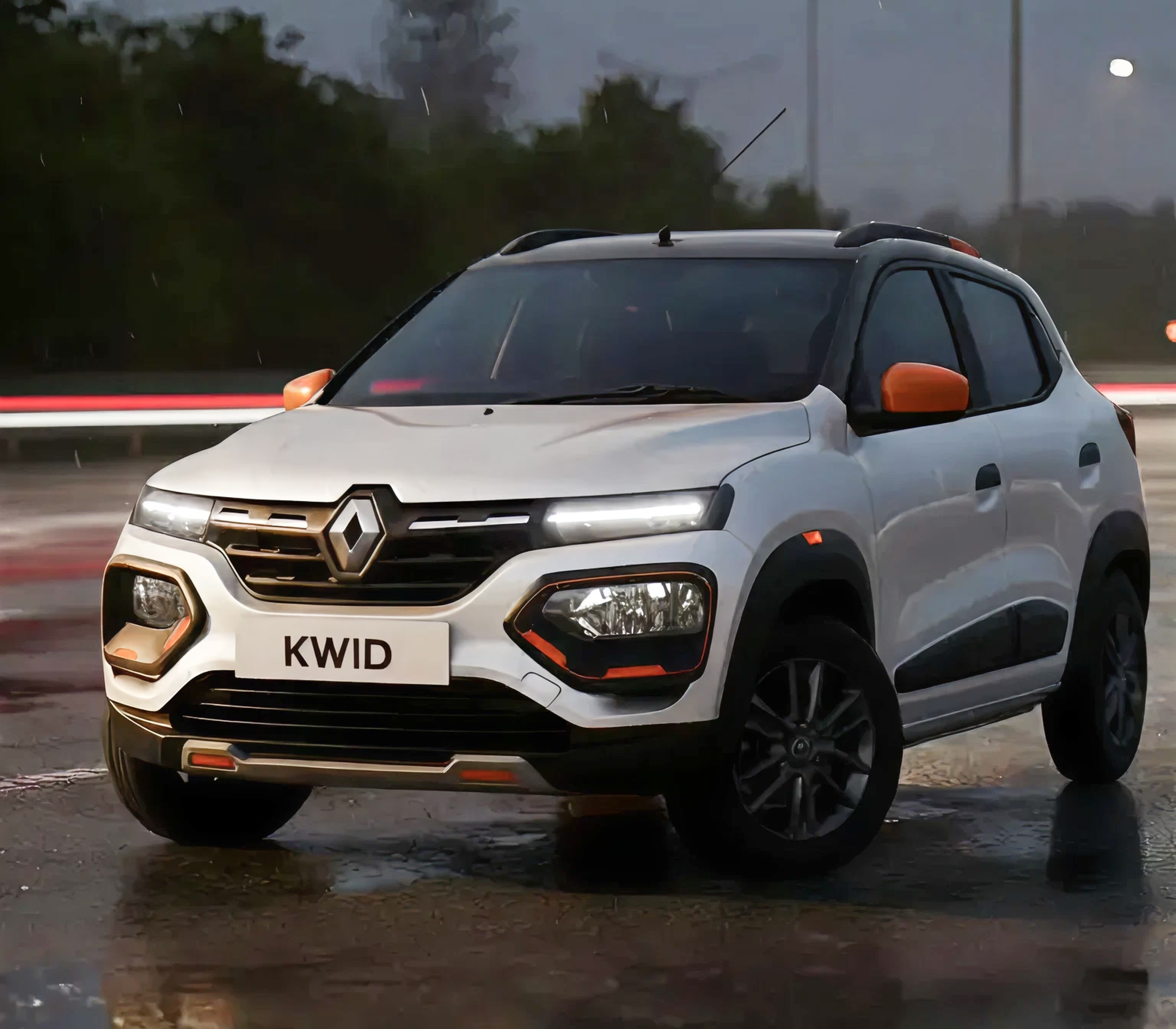
Renault KWID
Car Insurance
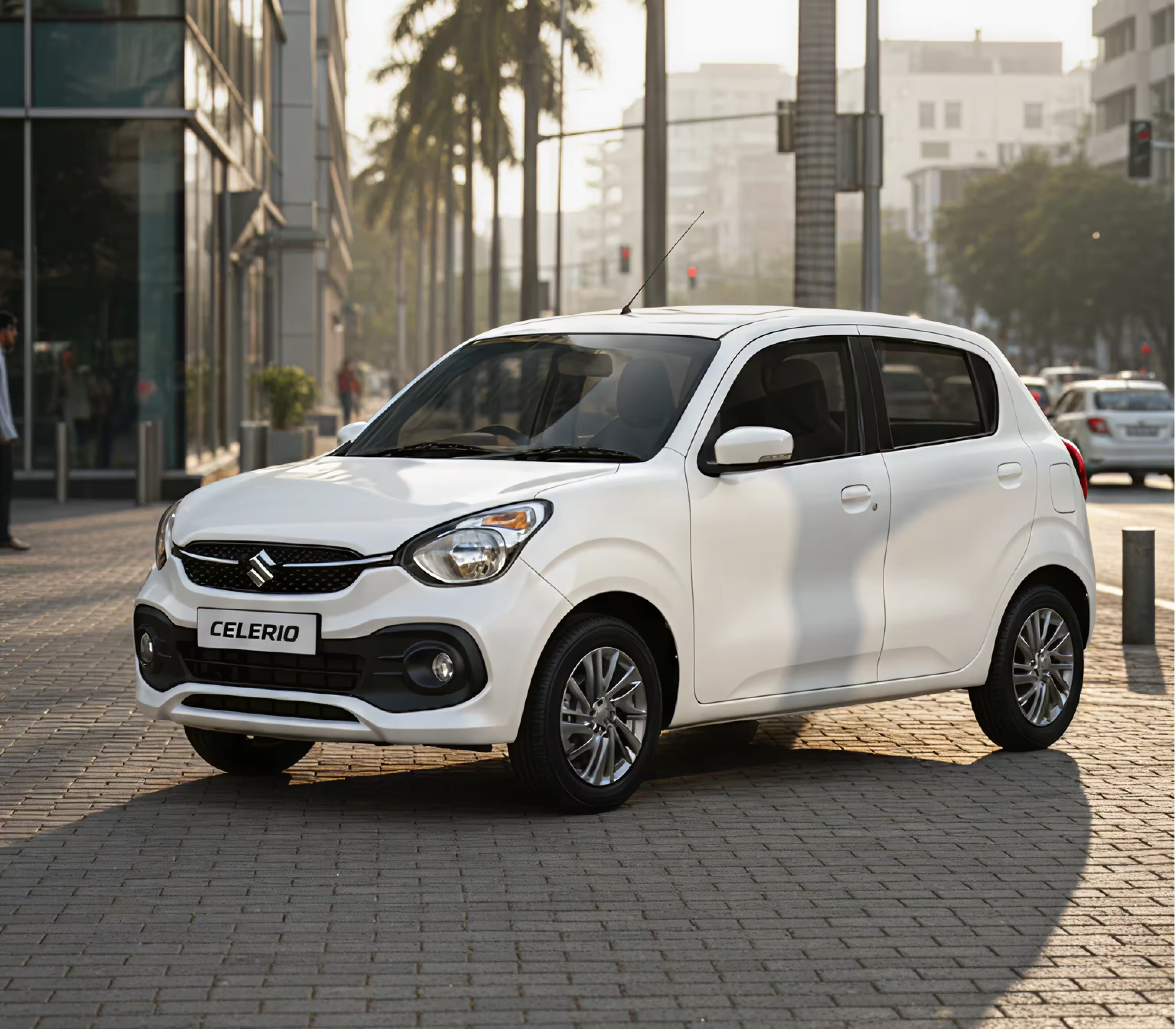
Maruti Celerio
Car Insurance
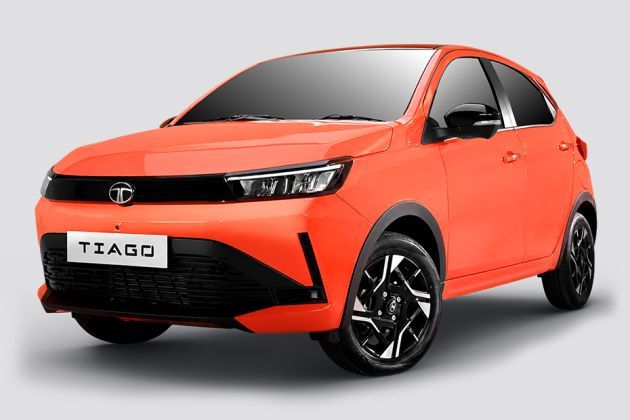
Tata Tiago
Car Insurance
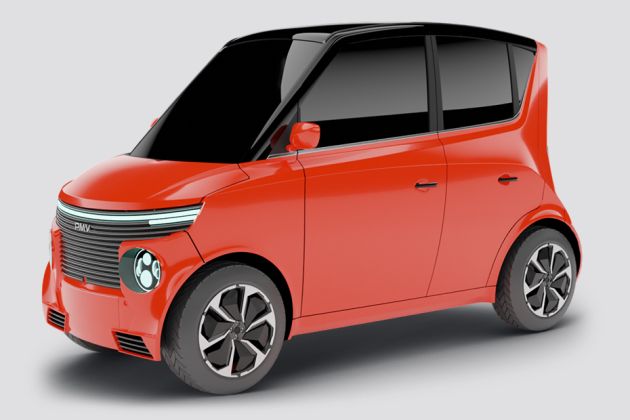
PMV EaS E
Car Insurance
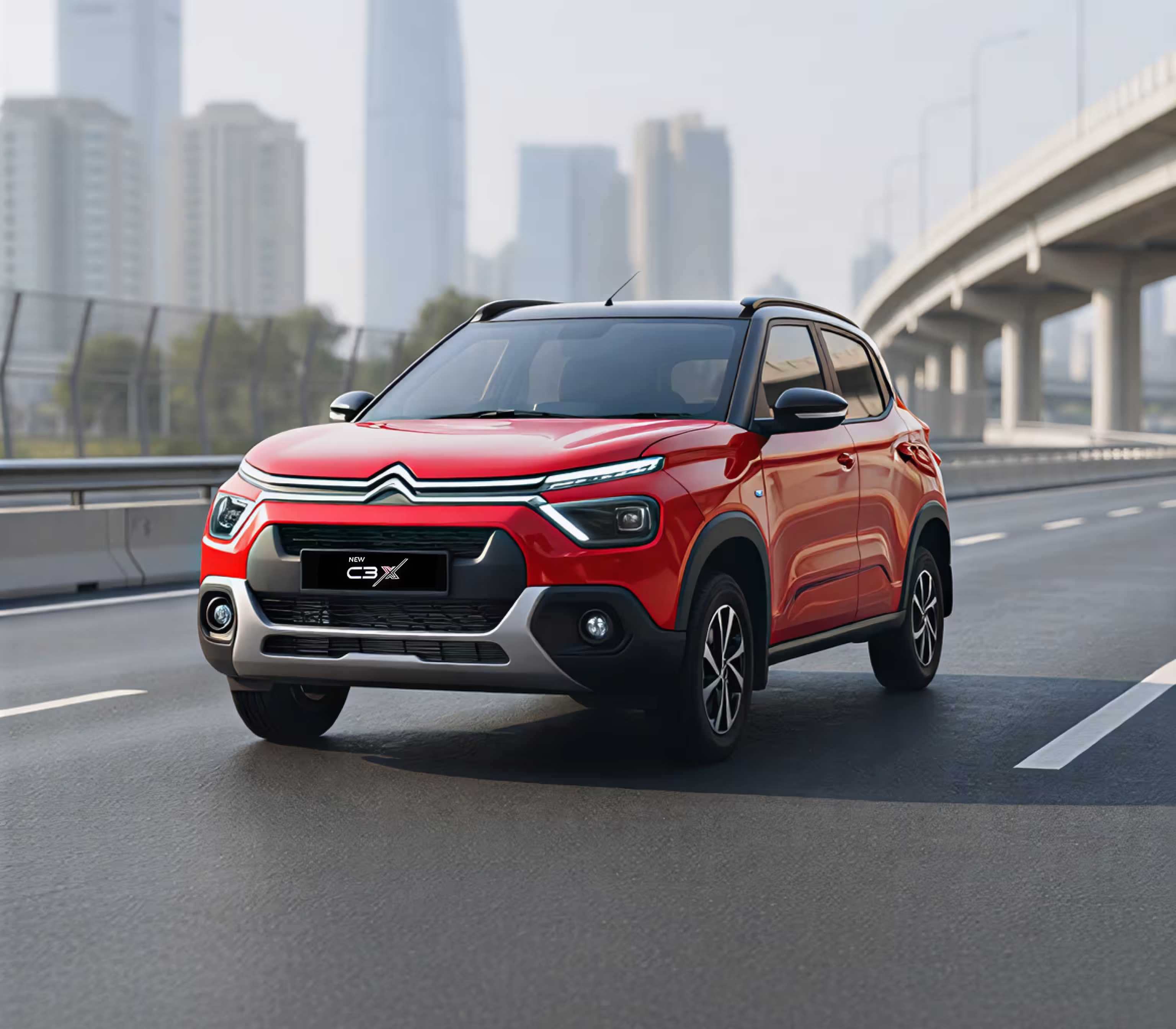
Citroen C3
Car Insurance
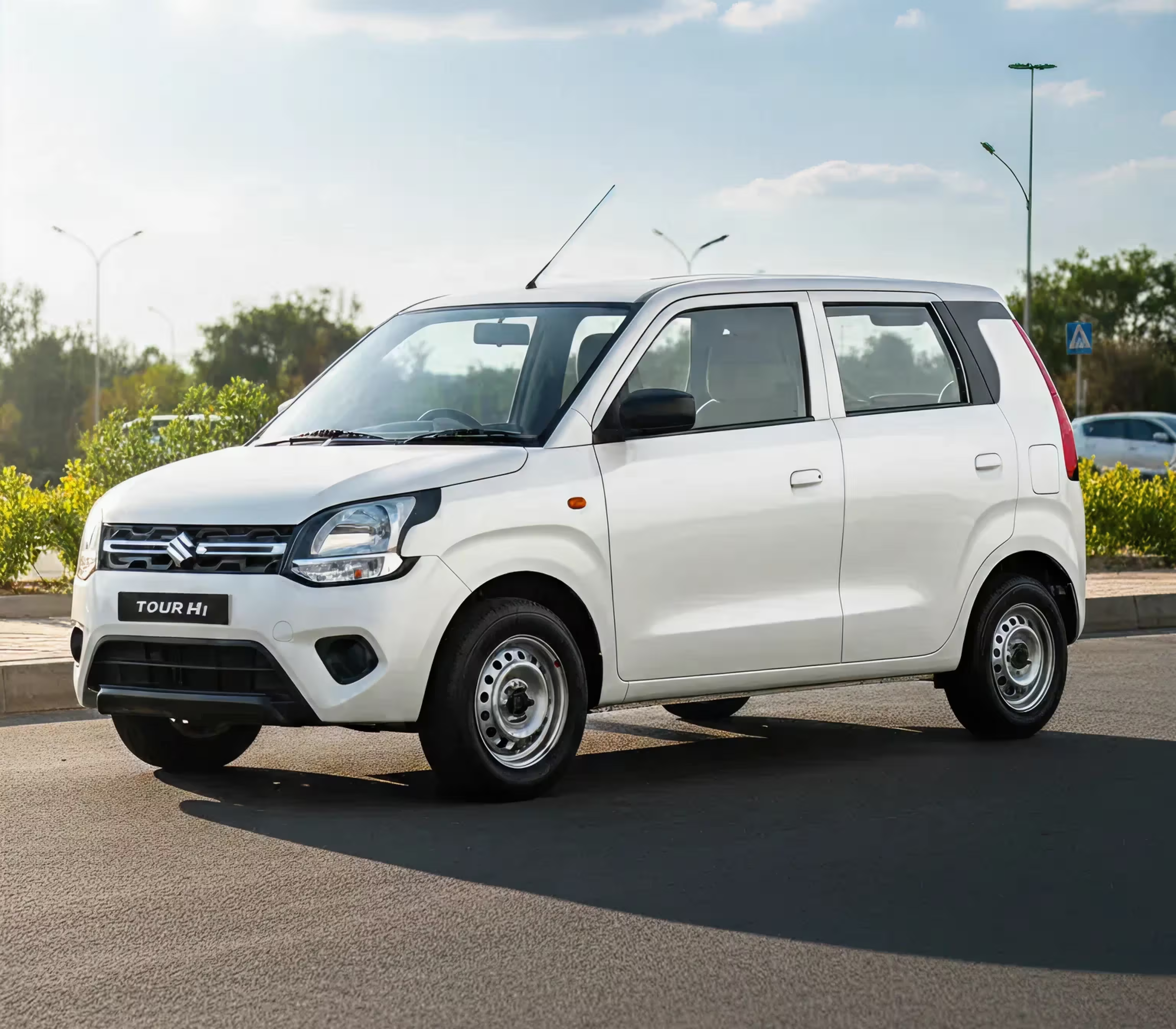
Maruti Wagon R tour
Car Insurance
Tata Xpres
Car Insurance
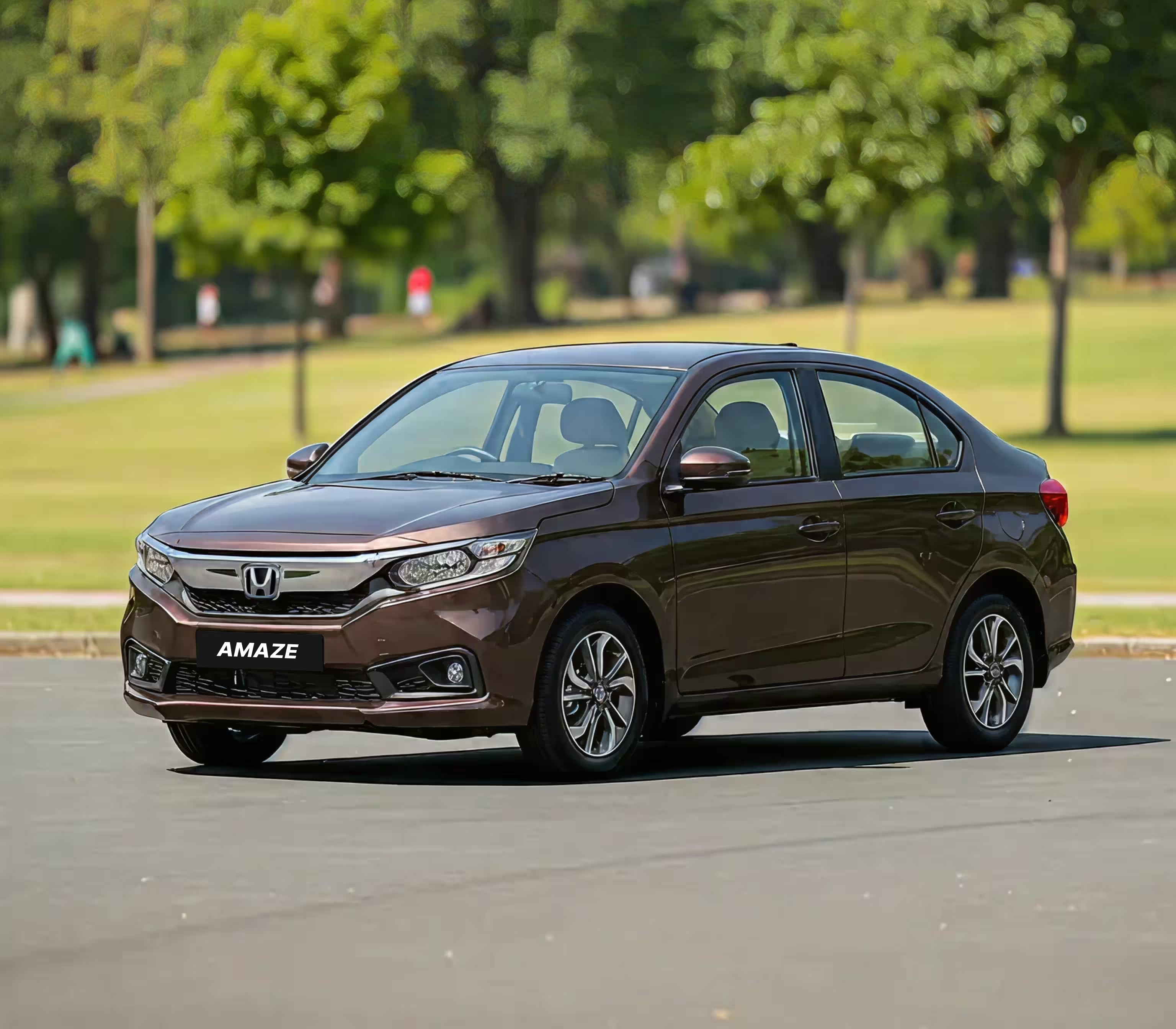
Honda Amaze 2nd Gen
Car Insurance
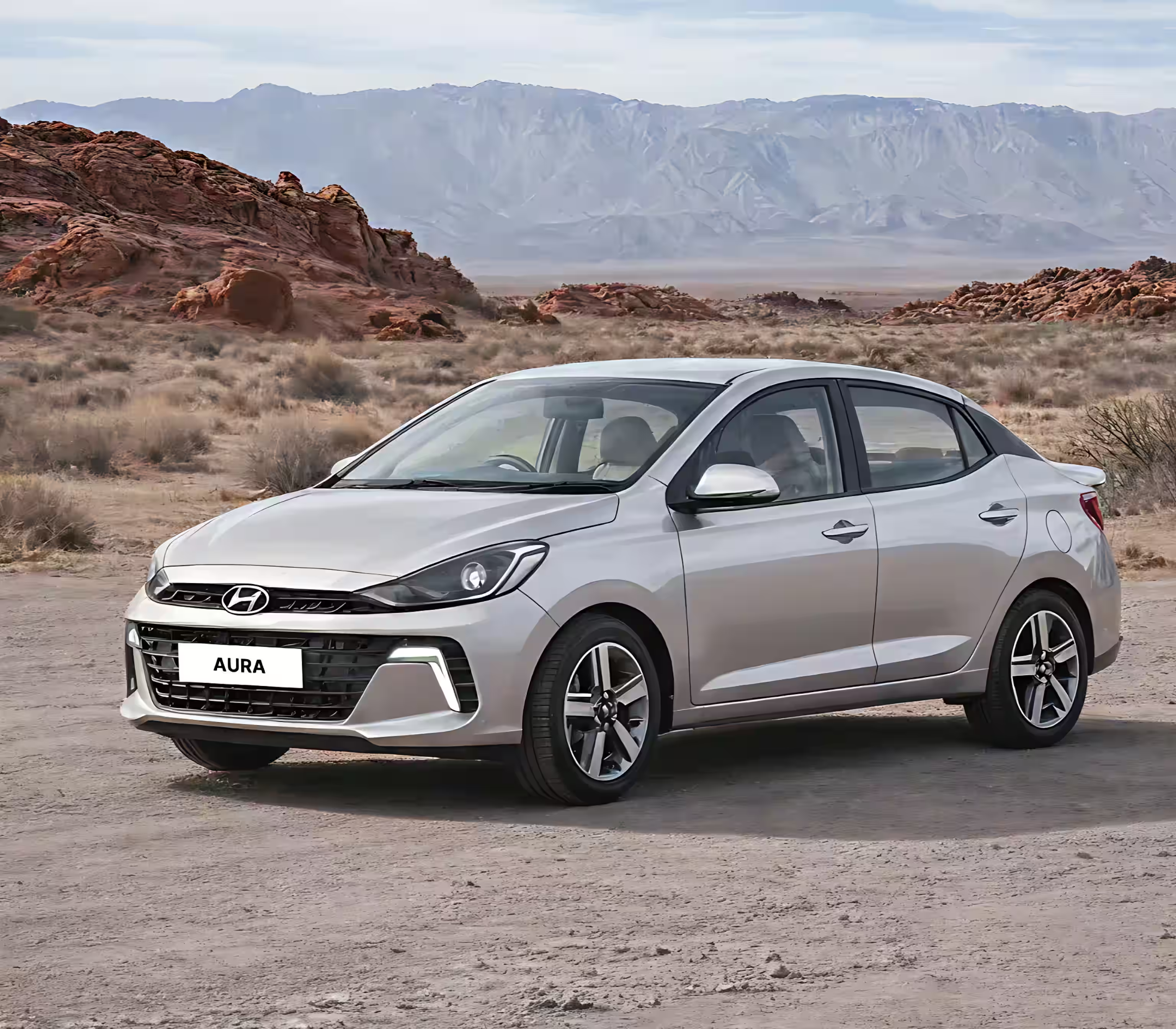
Hyundai Aura
Car Insurance
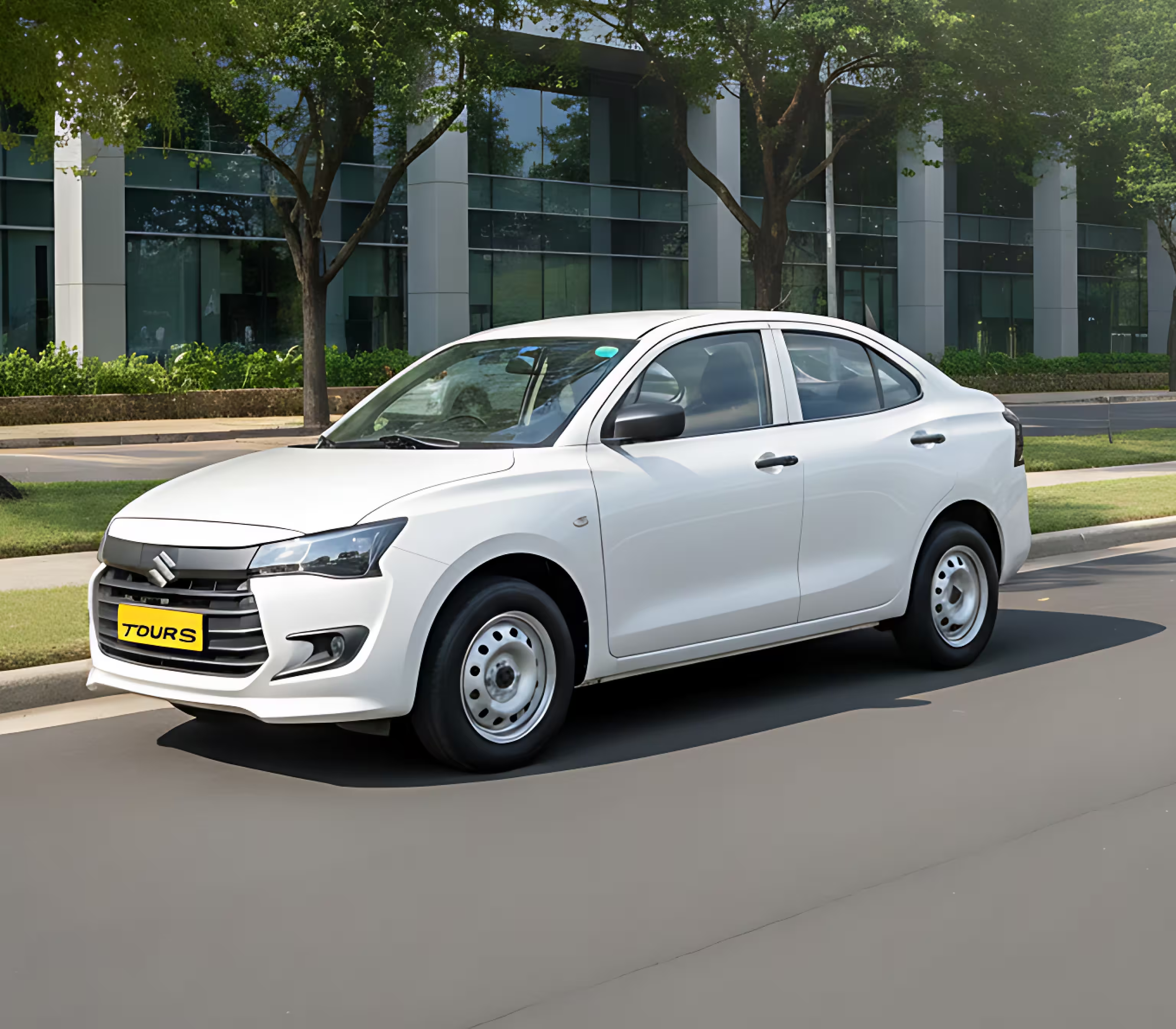
Maruti Dzire Tour S
Car Insurance
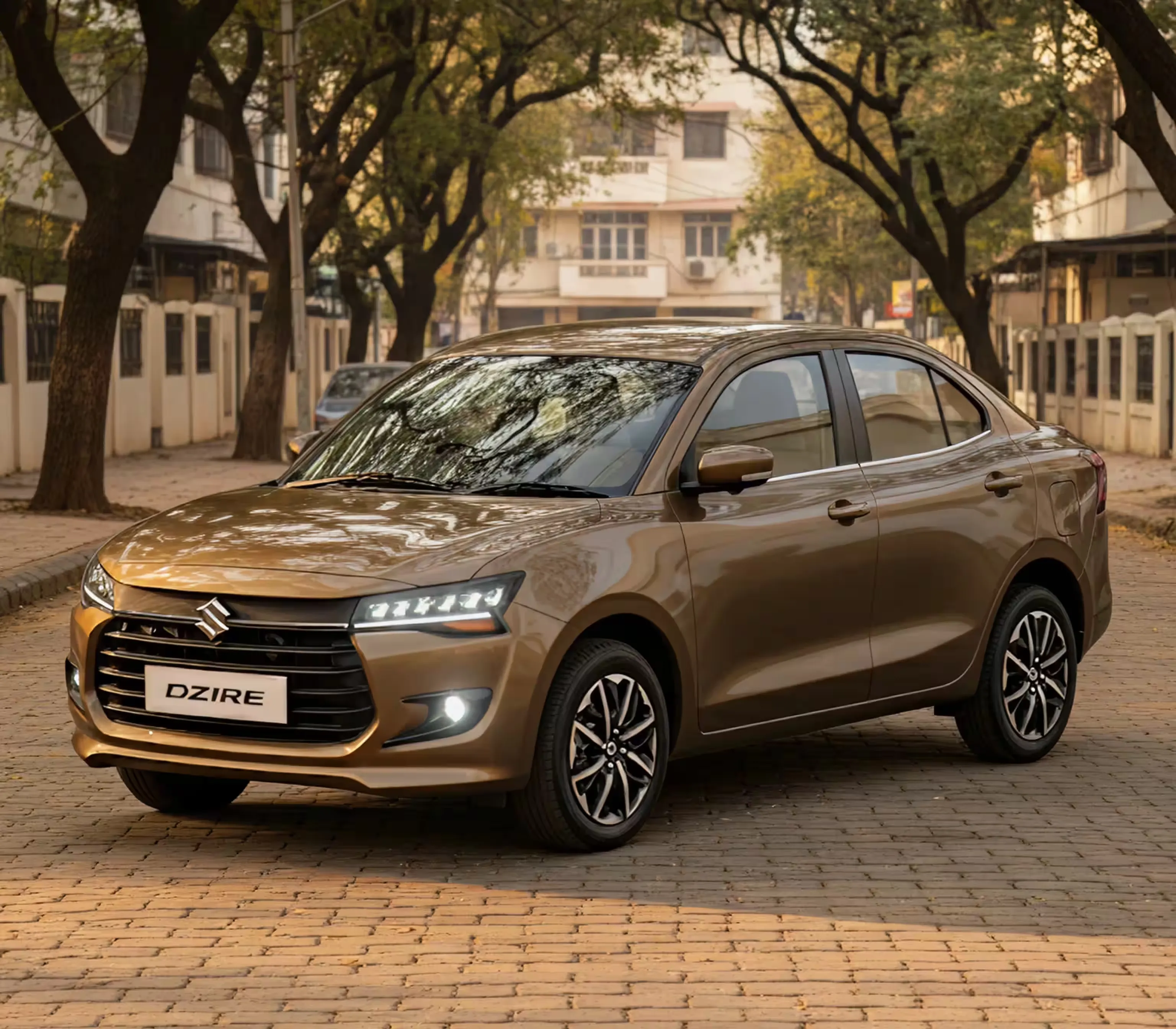
Maruti Dzire
Car Insurance
Hyundai Prime SD
Car Insurance

Honda Amaze
Car Insurance
Skoda Slavia Facelift
Car Insurance
Volkswagen Virtus
Car Insurance
Hyundai Verna
Car Insurance
Nissan Gravite
Car Insurance
Renault Triber
Car Insurance
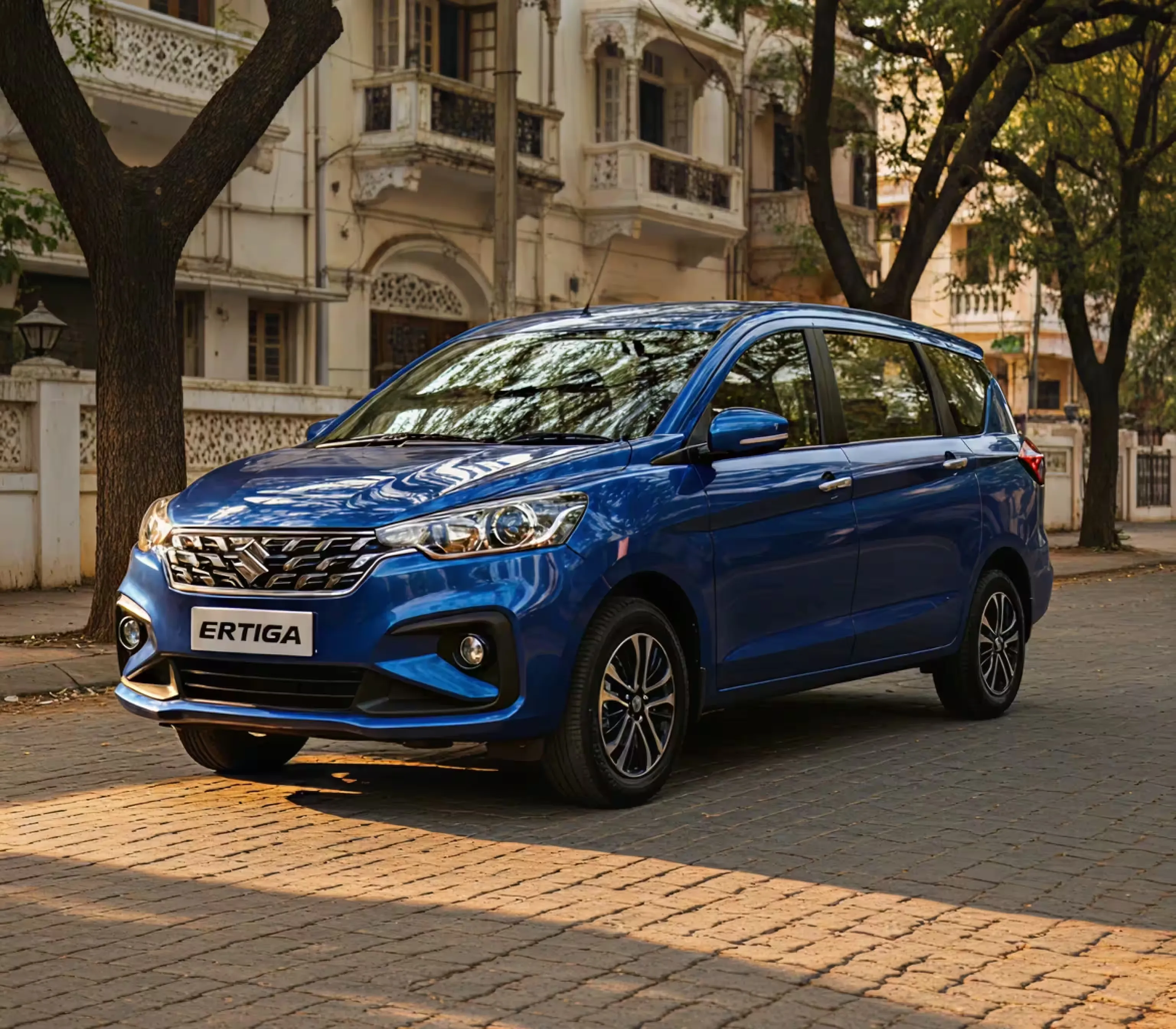
Maruti Ertiga
Car Insurance
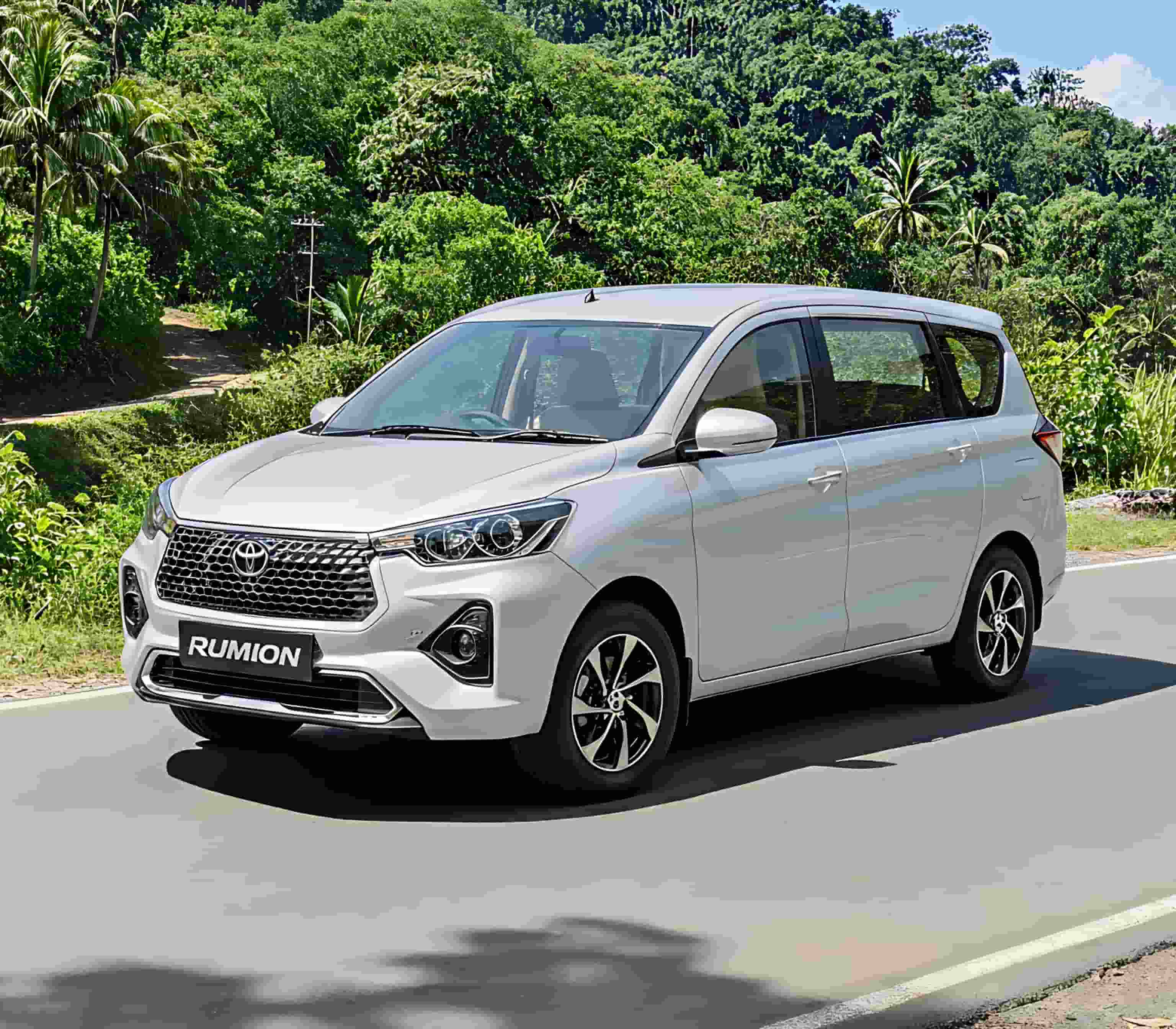
Toyota Rumion
Car Insurance
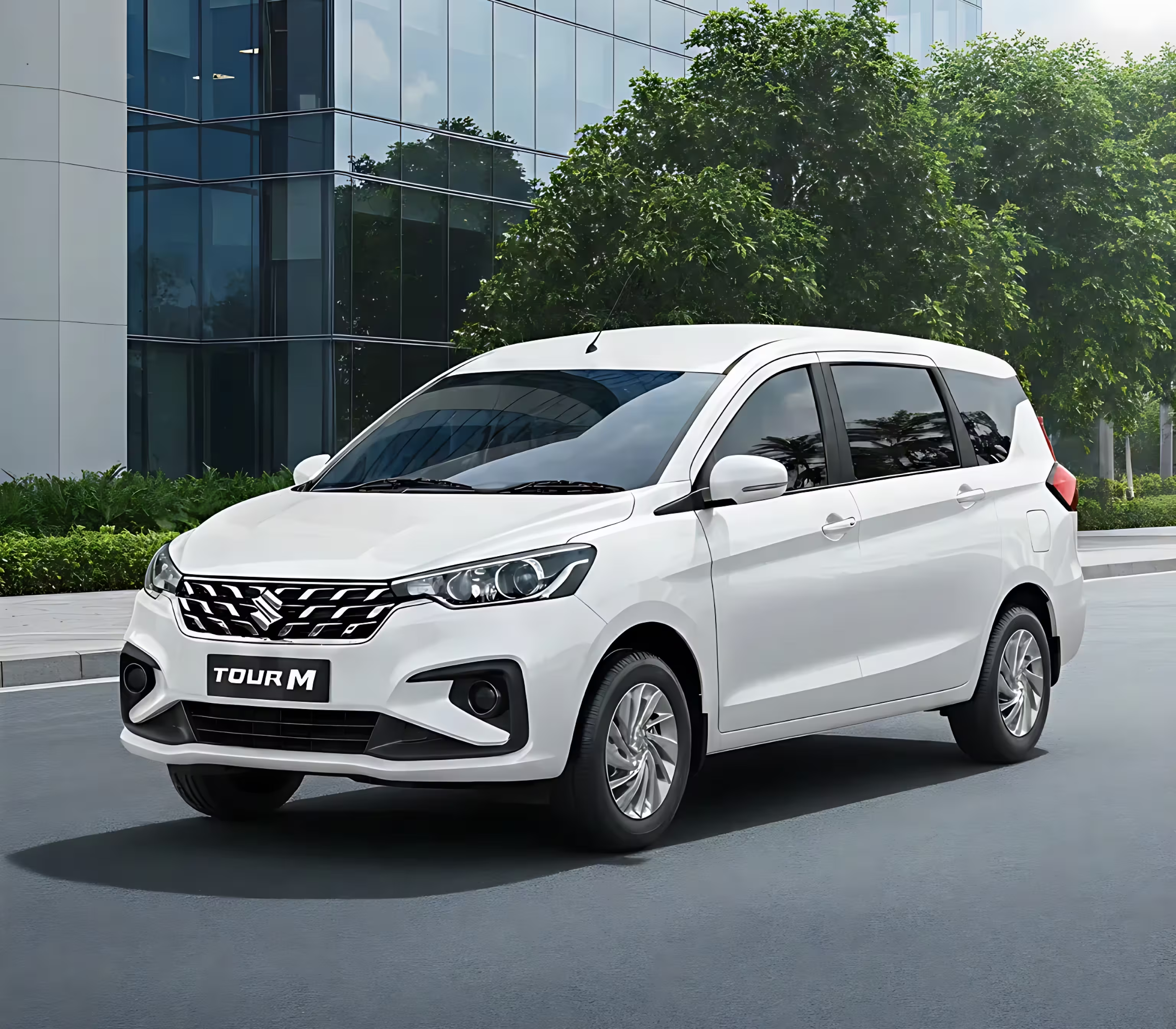
Maruti Ertiga Tour
Car Insurance
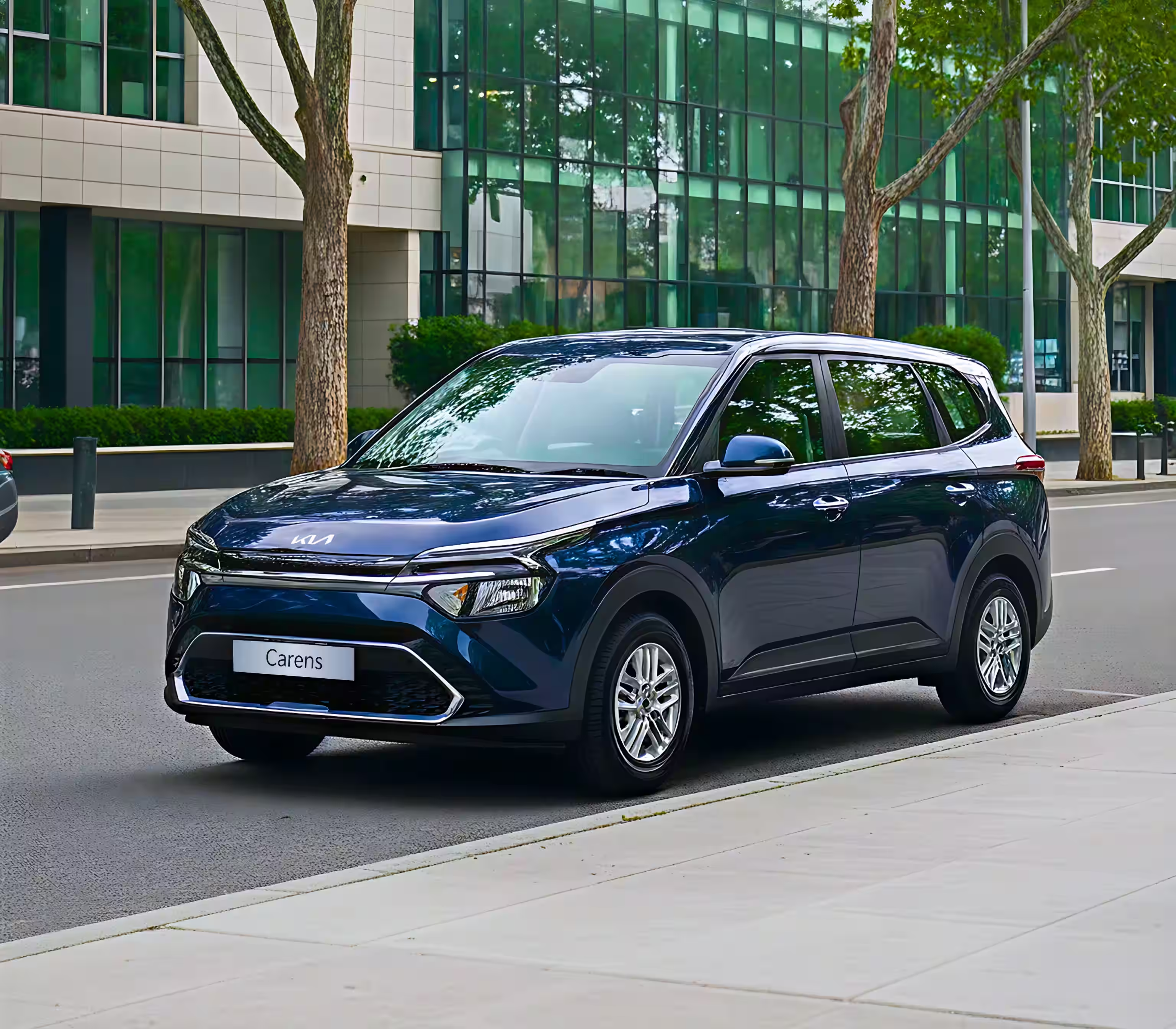
Kia Carens
Car Insurance
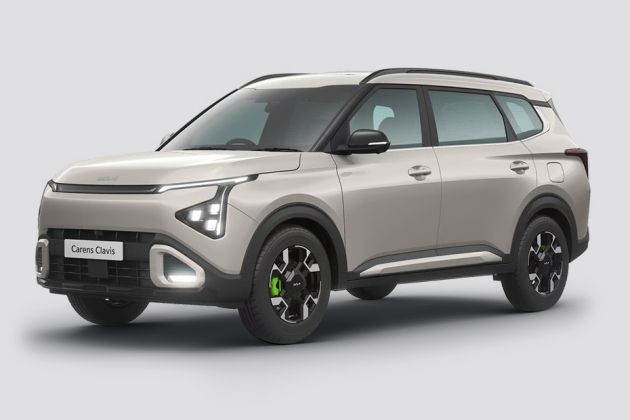
Kia Carens Clavis
Car Insurance
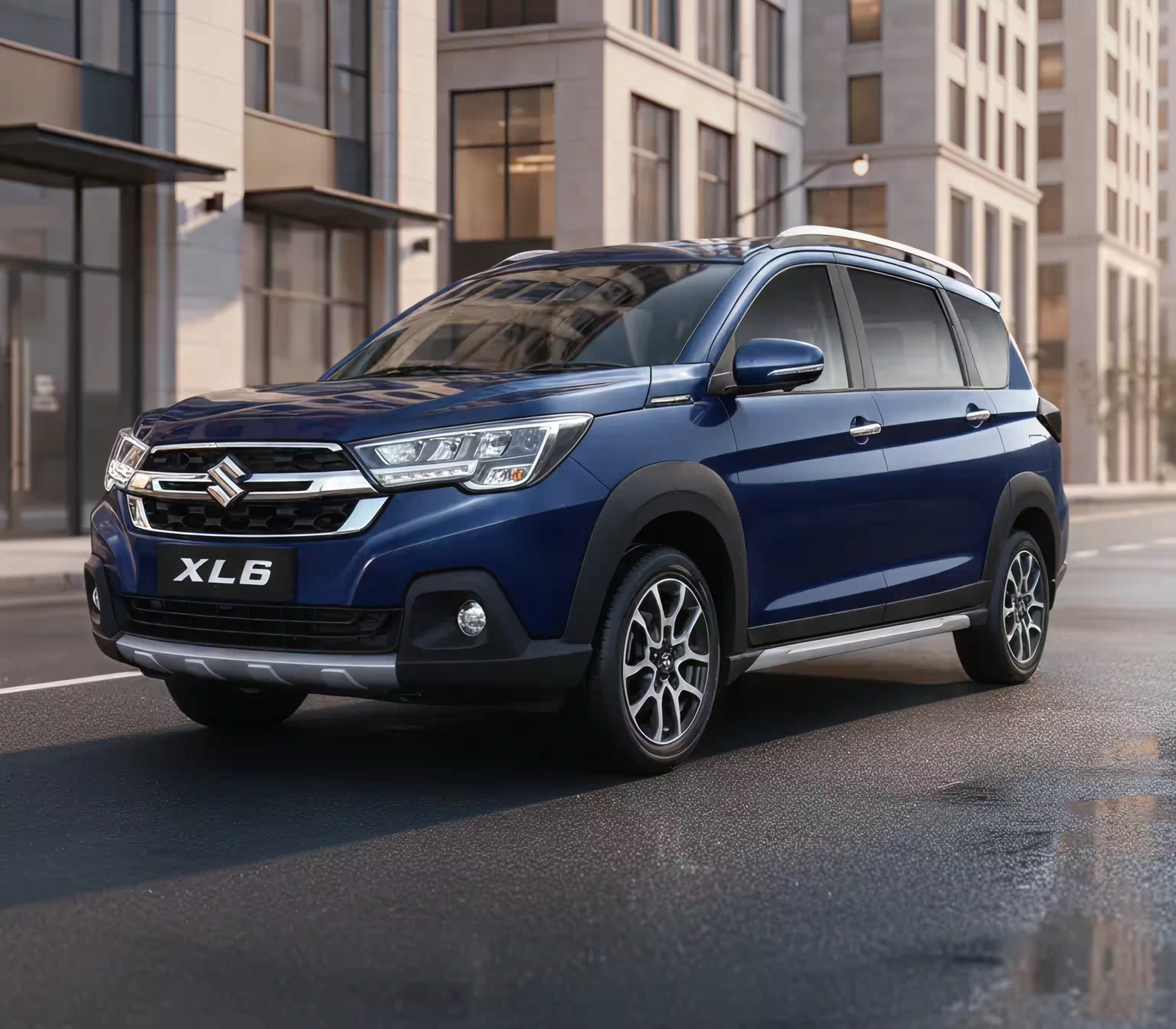
Maruti XL6
Car Insurance
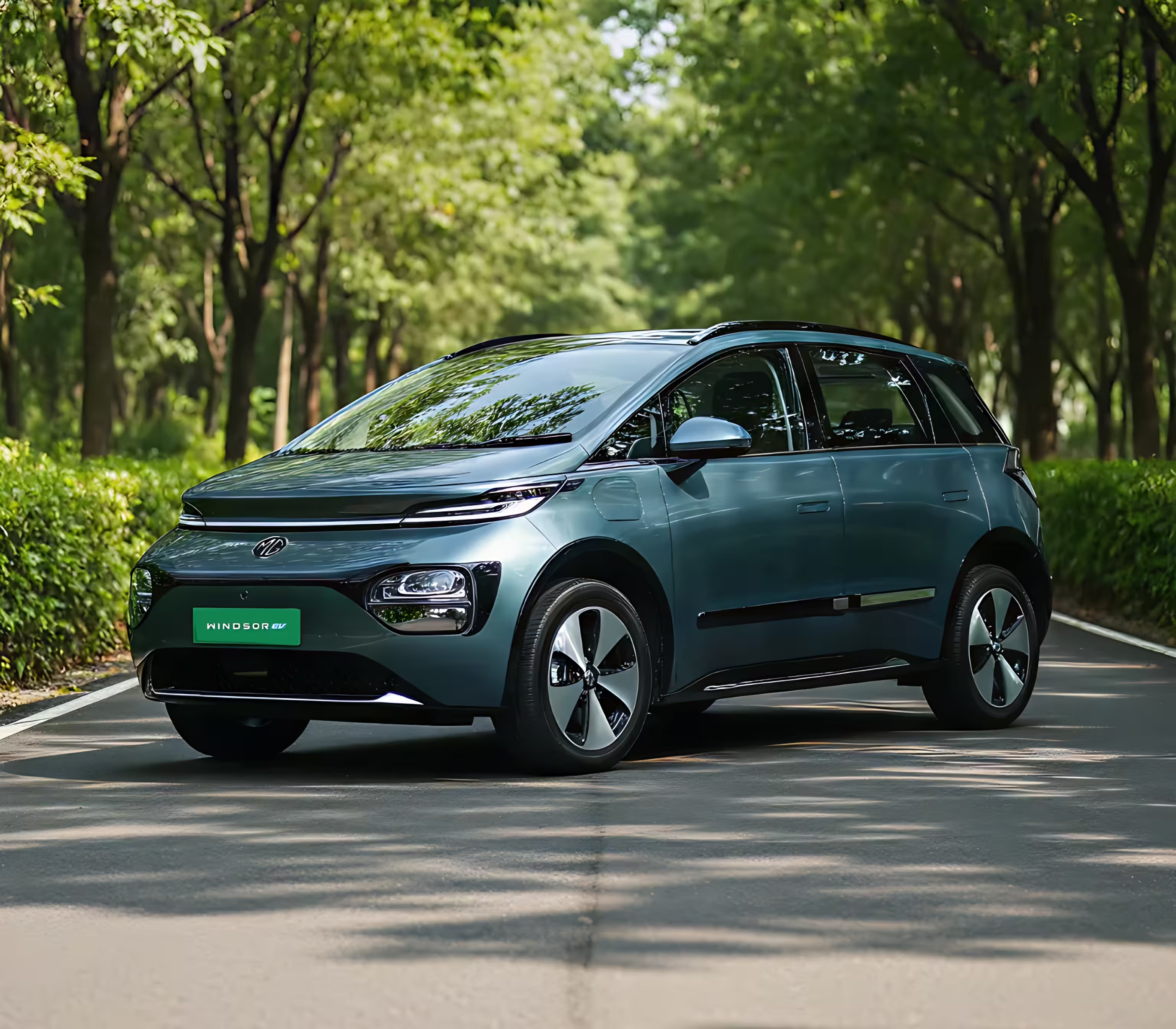
MG Windsor EV
Car Insurance
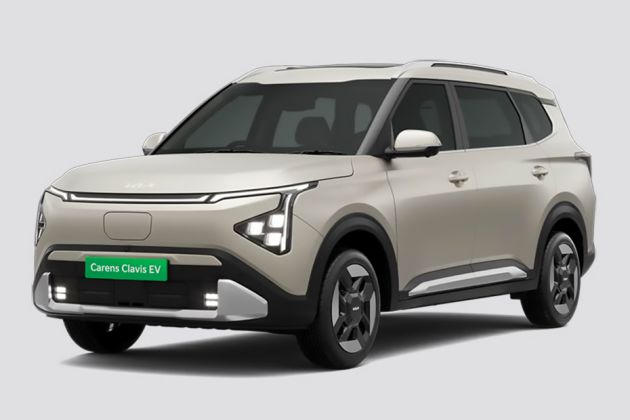
Kia Carens Clavis EV
Car Insurance
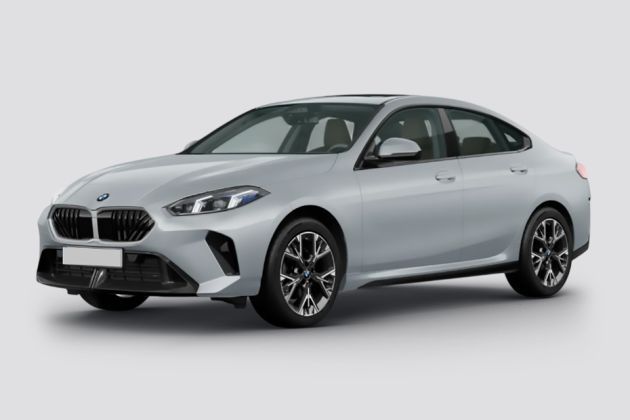
BMW 2 Series Gran Coupe
Car Insurance
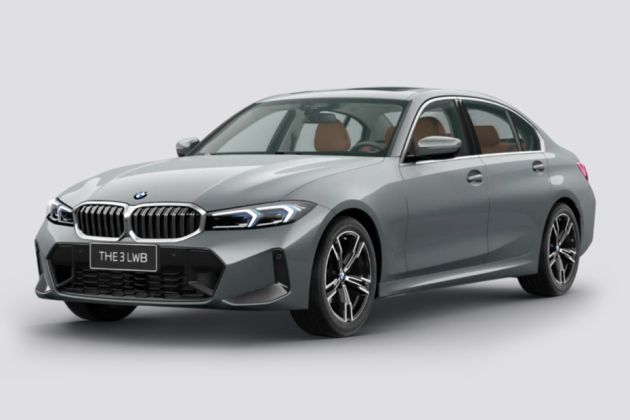
BMW 3 Series Long Wheelbase
Car Insurance
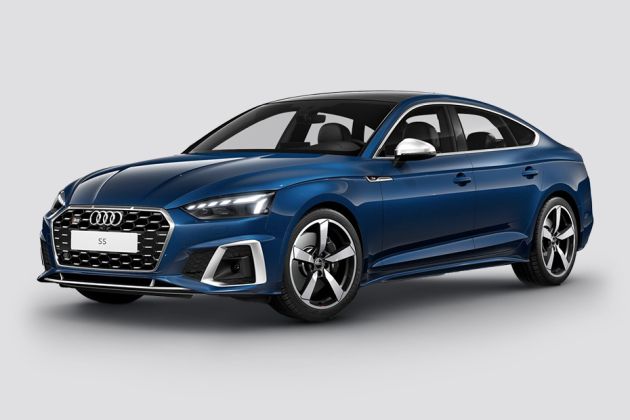
Audi S5 Sportback
Car Insurance
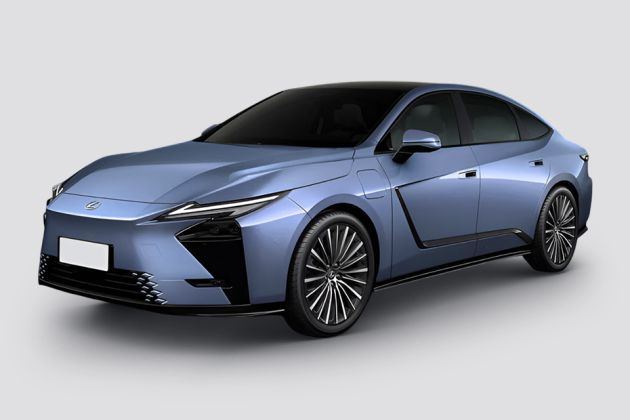
Lexus ES Electric
Car Insurance
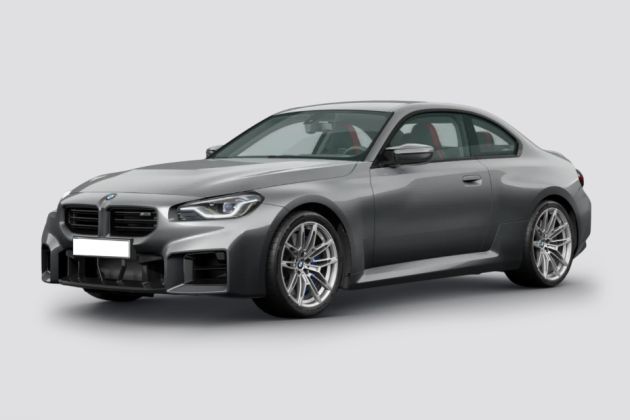
BMW M2
Car Insurance
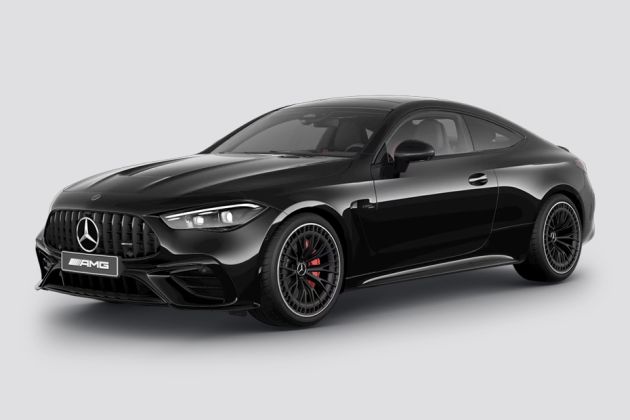
Mercedes-Benz AMG CLE 53
Car Insurance
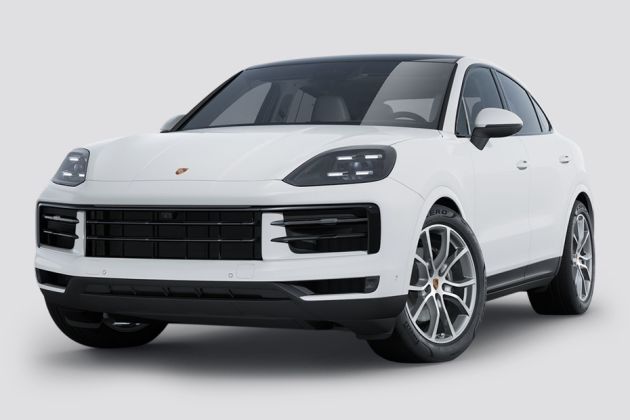
Porsche Cayenne Coupe
Car Insurance
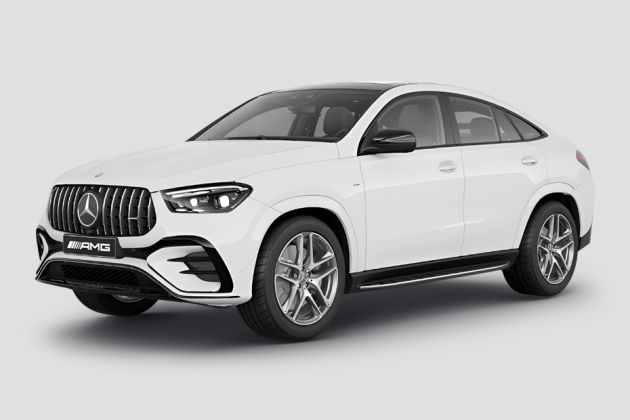
Mercedes-Benz AMG GLE 53
Car Insurance
BMW M4 Competition
Car Insurance
Porsche Panamera
Car Insurance
Latest car insurance blogs, news and updates

FAQs- Best Car Insurance Companies in India
Is car insurance mandatory in India?
Yes, absolutely. Under the Motor Vehicles Act, every car on Indian roads must have a valid third-party insurance policy. Driving without one can attract fines, penalty points, or even vehicle impoundment.
Which is the best car insurance company in India right now?
What is the difference between third-party and comprehensive car insurance?
Third-party insurance covers damage or injury you cause to someone else’ or to thier property. Comprehensive insurance adds coverage for your own vehicle against accidents, theft, fire, and natural disasters. For most car owners with a vehicle of any meaningful value, comprehensive is the wiser choice.
Can I switch my car insurer at renewal?
Yes, and you absolutely should if you find a better deal. You are entitled to carry your no-claim bonus over when you switch, provided you obtain an NCB certificate from your current insurer before the policy lapses.
What happens if I make a claim?
For cashless claims, you take your car to a network garage, the insurer inspects it, approves the repairs, and pays the garage directly (minus any deductible or excluded items). For reimbursement claims, you pay the garage yourself and submit the bills to the insurer for repayment.
Do I need add-ons if I already have comprehensive insurance?
Comprehensive insurance is excellent baseline coverage, but it has gaps. Engine damage from flooding, tyre damage, key loss, and depreciation on replaced parts are all typically excluded. Add-ons exist specifically to plug those gaps. Which ones you need depends on where you live, how you drive, and how new your vehicle is.