
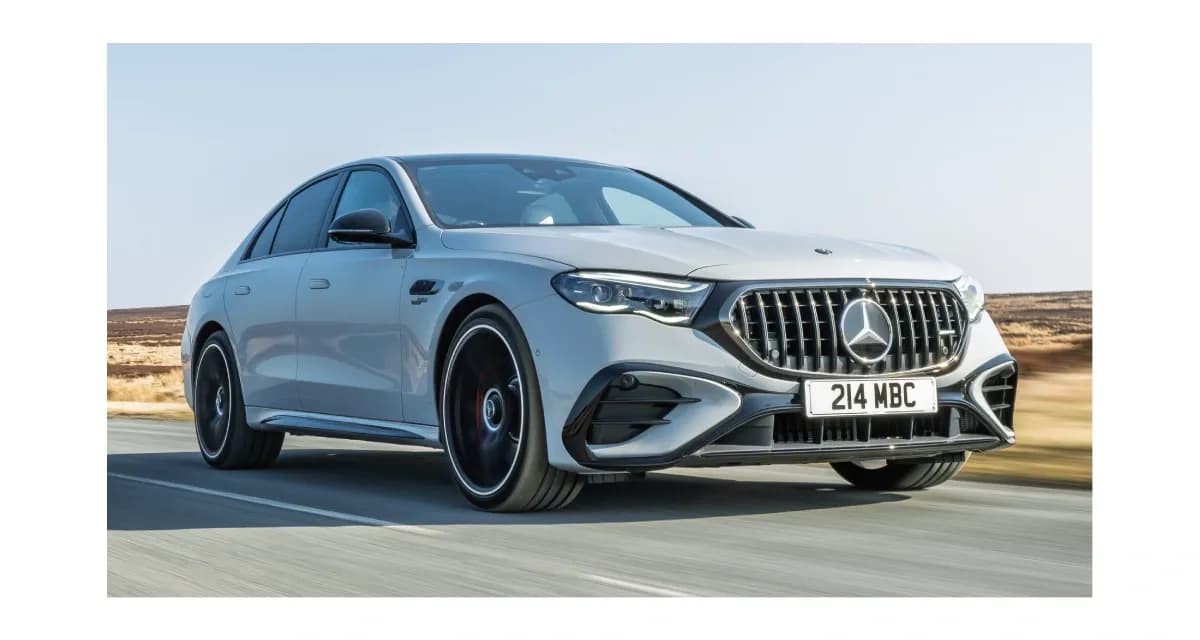
Mercedes-Benz will raise prices in India starting in January 2026. Here are the reasons why.
How buyers and industry trends may be impacted by the shift in the coming year.
Mercedes-Benz has declared that it will raise the pricing of all of its models starting on January 1, 2026, which is a significant development for Indian auto purchasers. Prices for all of the brand's vehicles, including sedans, SUVs, and electrified models, will increase by up to 2% as a result of the change. This is one of the first significant pricing changes for the Indian auto industry to be revealed before the new year, and it illustrates the continuous financial difficulties that luxury automakers throughout the world are facing.
Why Are Prices Rising?
Mercedes-Benz made this choice mostly due to economic pressures. The corporation blamed a number of important factors affecting its operations in India for the price increase.
The Euro's ongoing strength against the Indian Rupee, with the currency exchange rate staying above ₹100 for a large portion of the year, is a major factor. This raises the cost of manufacture and increases the cost of importing parts and complete units. The entire operating burden has also been increased by inflationary pressures, increased logistical costs, and rising material costs.
Mercedes-Benz claims that although it has so far covered a large portion of these expenses, it is no longer able to do so without changing prices. If currency volatility continues, officials also alluded to the possibility of quarterly price modifications in 2026, implying that this may be the start of more frequent adjustments.
What Customers Should Know About This
This price increase will make cars that are already positioned as premium purchases somewhat more costly for potential purchasers. Given the high cost of Mercedes-Benz vehicles in India, a 2% rise might seem insignificant, but the total sum might be significant.
Additionally, the impact will differ depending on the model; cars that are manufactured locally may suffer significantly greater increases than those that have a higher percentage of imported parts or are completely imported.
Mercedes-Benz Financial Services may be able to mitigate the financial impact on consumers by passing on some of the advantages of recent interest rate decreases, but many customers may still be influenced by the price change.
Industry Background
Mercedes-Benz's action is consistent with broader trends in the Indian automobile industry, where manufacturers in all sectors have been modifying prices in reaction to pressure on input costs and currency fluctuations.
Customers who intend to buy high-end cars early next year would wish to make reservations before January 1 in order to avoid the higher prices, since other luxury brands are probably going to follow suit.
Also read: