
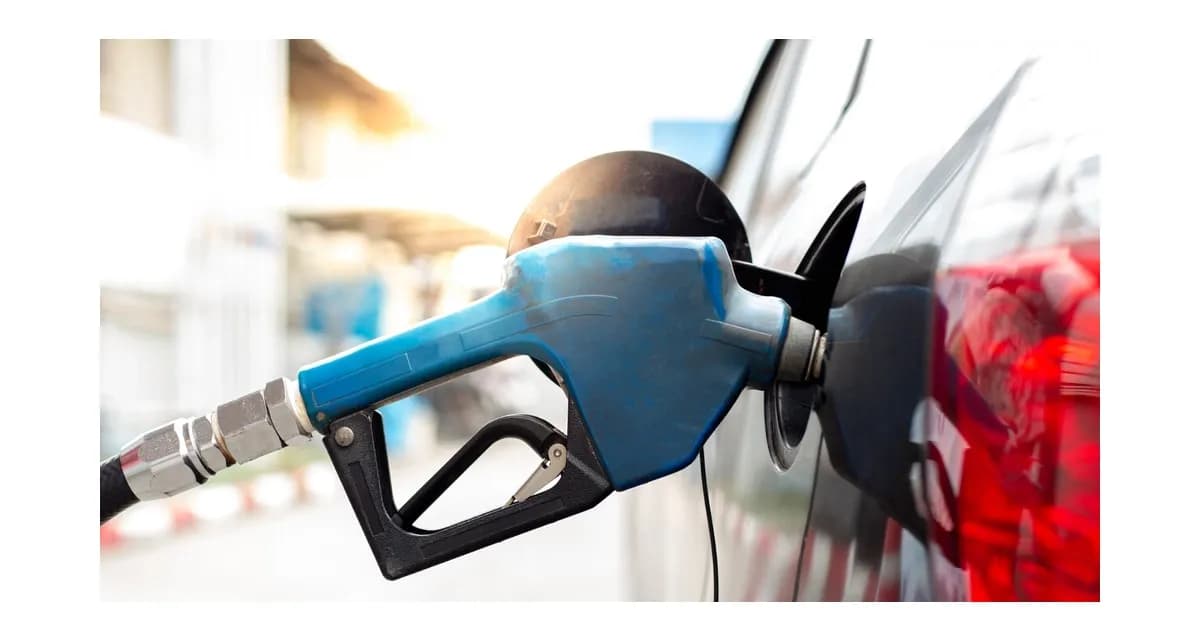
Petrol and diesel prices have risen by 7.8% and 8.6% respectively since mid-May 2026 due to Gulf supply disruptions
The Petroleum Minister expects crude oil prices to moderate soon, though a wider Gulf conflict remains a key risk
Petrol and diesel prices have been making uncomfortable headlines since mid-May, and drivers across India have felt the pinch at the pump. But there is cautious good news on the horizon.
Union Petroleum and Natural Gas Minister Hardeep Singh Puri has said that fuel prices are expected to ease in the coming months, even as the country continues to navigate a period of elevated crude oil costs driven by geopolitical turbulence.
Four Hikes Since Mid-May Have Pushed Prices Up Sharply
Petrol and diesel prices were first revised on May 15, 2026, with further adjustments made through the remainder of the month. Taken together, the four revisions since mid-May have added more than Rs 7 per litre to both fuels.
Petrol is now around 7.8 percent more expensive than it was before the hikes began, while diesel has climbed by approximately 8.6 percent over the same period.
That kind of increase, sustained over just a few weeks, has a tangible effect on everyday motoring costs. For someone covering even a modest 1,000 kilometres a month, the additional outgo runs into several hundred rupees. For commercial vehicle operators, the impact is considerably sharper.
Gulf Conflict Disrupts a Critical Global Energy Route
The price hikes follow supply disruptions caused by the conflict involving Iran, which has affected the movement of oil and gas through the Strait of Hormuz, one of the world's most critical energy trade corridors. Before hostilities escalated, roughly one-fifth of global oil and gas supplies passed through this route. Global crude oil prices have climbed sharply in response, approaching USD 100 per barrel.
Given that India imports a substantial portion of its crude requirements, domestic fuel prices remain closely tied to movements in global markets. Any sustained disruption to Gulf supply routes therefore has direct consequences for Indian motorists.
India Has Sufficient Reserves for Now
Despite the volatility, Minister Puri struck a measured tone. He confirmed that India currently holds enough oil and gas reserves to last between 76 and 80 days, and added that the country expects suppliers from the United States, Canada, and other nations in the Western Hemisphere to help make up for any shortfall caused by Gulf disruptions.
A Correction Expected, With One Important Caveat
Puri stated that crude oil prices are unlikely to remain at their current levels for an extended period and should moderate in the months ahead. That said, he did not offer a specific timeline, and was clear that the outlook carries a significant caveat. If tensions in the Gulf region were to spread further, the situation could become a more serious concern.
For now, the broad message from the government is one of watchful optimism. Reserves are adequate, alternative suppliers are being lined up, and the expectation is that global crude markets will settle. Whether that translates into a rollback of recent fuel price increases or simply a halt to further hikes remains to be seen.
Also read: