
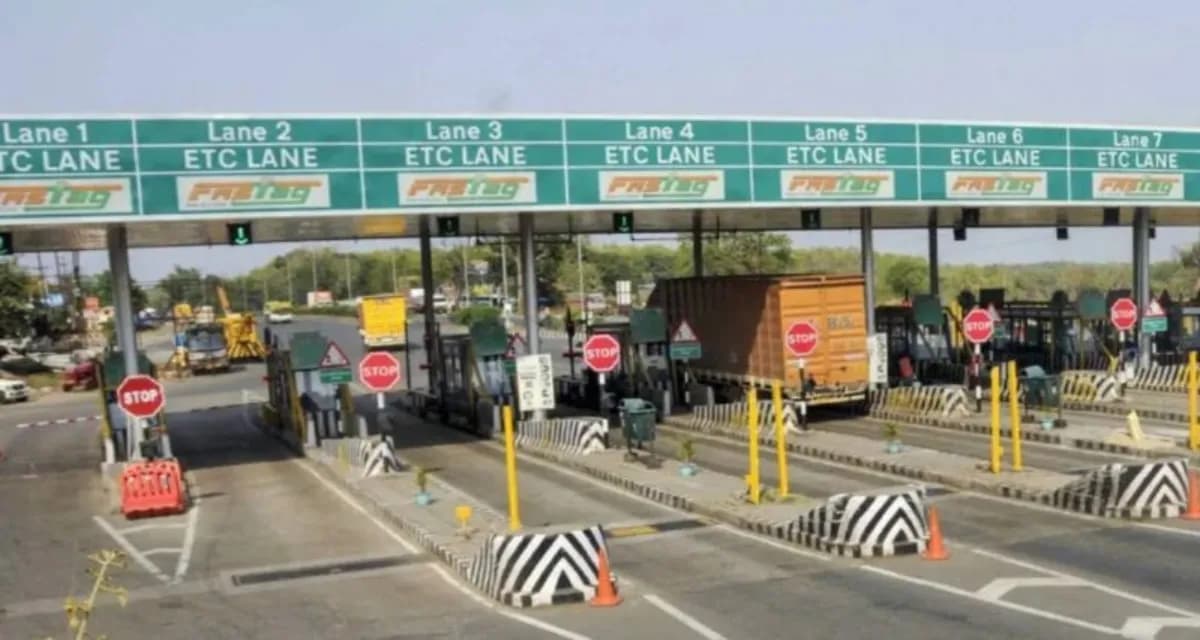
The Indian government has announced a major change in toll collection policy, marking a shift from the long-used FASTag system to a more modern, satellite-based GNSS toll collection system. From May 1, 2025, FASTag stickers will no longer be valid for paying tolls.
Instead, tolls will be calculated using GNSS (Global Navigation Satellite System) technology. This system allows toll collection based on the real-time movement of a vehicle using satellite tracking, ensuring users pay only for the distance they travel on highways.
Why the New Toll System is Being Introduced
The current FASTag system, although a major upgrade from manual toll booths, still has limitations. For example:
You may have to pay a full toll amount even if you travel only a short distance on a toll road.
Traffic congestion still occurs at toll plazas.
RFID stickers may malfunction or get tampered with.
To overcome these issues, the government has introduced the GNSS-based tolling system, aiming for better efficiency, transparency, and fairness in toll collection.
How GNSS Toll Collection Will Work
The GNSS system operates through satellite-based tracking, eliminating the need for physical toll booths and FASTag scanners.
Here's how the new system will function:
Every vehicle will be fitted with a government-approved GPS tracker, known as an On-Board Unit (OBU).
This unit tracks the distance traveled on toll roads in real time using GNSS.
Toll charges will be automatically calculated based on this distance.
The amount will be debited directly from the driver’s linked bank account or digital wallet.
Users can opt for either prepaid or postpaid payment modes.
This change ensures a seamless, paperless, and hassle-free tolling experience across the nation.
Benefits for Vehicle Owners
The GNSS-based toll system offers a wide range of benefits that will positively impact everyday commuters, transporters, and long-distance travelers.
Key Advantages Include:
Distance-Based Tolling: Pay only for the distance you travel, not a fixed amount.
No Need to Stop: Vehicles won’t need to slow down or halt at toll plazas, reducing travel time and fuel usage.
Reduced Errors: The automated system eliminates the risk of human error in toll calculation.
Less Congestion: With no need to stop, traffic at toll plazas will significantly reduce.
Enhanced Transparency: Users will receive detailed toll reports and payment receipts, improving trust in the system.
Lower Operational Costs: The government can reduce infrastructure and labor costs with fewer physical toll booths.
What Existing FASTag Users Must Do
If you're currently using a FASTag, you can continue using it only till April 30, 2025. After that, the FASTag system will be permanently discontinued.
Steps You Must Take:
Install the On-Board GPS Unit: All vehicles must have a GNSS-compliant GPS device installed and activated.
Link Your Bank Account or Wallet: The new system requires you to link your payment method with the GNSS tracker.
Remove the Old FASTag: Once the GNSS system is active and tested on your vehicle, the old RFID FASTag sticker should be removed to avoid confusion.
Complete Registration: Ensure that your vehicle’s GPS is registered with the government’s toll database to activate distance-based billing.
Failing to switch to the GNSS system after May 1 may result in penalties or travel restrictions on toll roads.
Delay in Launch – But Now Fully Ready
Initially, the GNSS-based system was expected to roll out on April 1, 2025, but due to final-stage testing and system integration, the government postponed the implementation.
Union Road Transport Minister Nitin Gadkari confirmed that the system will now be launched across the country from May 1, 2025.
This delay has allowed authorities to test the system thoroughly to ensure nationwide coverage, system reliability, and user accessibility before making it mandatory.
Overall, the shift from FASTag to the GNSS-based toll collection system marks a major milestone in India’s journey toward smart mobility. This next-gen tolling system will ensure fairer toll charges, reduce congestion, and make highway travel more efficient than ever before.
As the deadline of May 1, 2025, approaches, vehicle owners are strongly encouraged to take action early by installing the required GPS units and linking their payment details. With benefits like time savings, accurate billing, and real-time tracking, the GNSS system is a future-ready solution for India's ever-growing road network.
Also Read: