
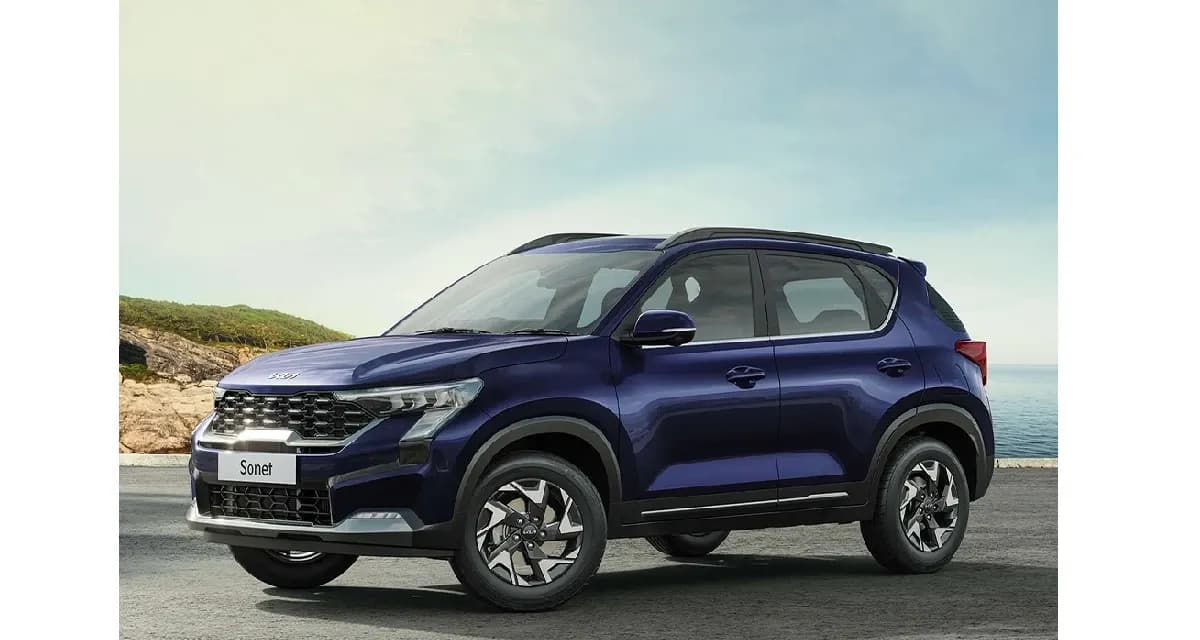
The 2027 Kia Sonet test mule reveals a full-width rear light bar and a more squared-off silhouette, pointing to a significant design overhaul over the current model.
The third-generation Hyundai Creta is expected to introduce a hybrid powertrain and the next-generation Pleos Connect infotainment system for the Indian market.
Two of India's most closely-watched upcoming SUVs have been spotted testing together on the high-altitude roads of Manali. Spy shots captured by automotive enthusiast Amarttyajit Sinha on June 14, 2026, show test mules of the 2027 Kia Sonet and the third-generation Hyundai Creta running together, a sighting that points firmly to both models being well into their development programmes.
The pairing is not entirely surprising given that both SUVs come under the Hyundai Motor Group umbrella, but the joint testing suggests that the two models may share several underlying technologies while targeting distinct segments.
The Sonet will remain a sub-4-metre SUV, whereas the new Creta is expected to grow by roughly 100mm in overall length compared to the current generation.
2027 Kia Sonet Gets a Sharper Rear End
The Sonet test mule spotted in Manali appears to be the same QY2E development prototype that had surfaced earlier in June 2026. However, the latest images offer a better look at the rear lighting arrangement.
Despite heavy camouflage wrapping, the SUV can be seen wearing vertically-oriented LED tail lamp elements connected by a full-width light bar that runs across the tailgate, a clear nod to Kia's current global design language.
Platform, Safety and Powertrain Updates
The overall profile of the Sonet remains upright, though the rear section looks more squared-off and the roofline flatter than before. These changes could translate into improved cabin headroom and a stronger road presence.
The new Sonet is expected to move onto Kia's K1 platform, which already underpins the Syros. The switch is anticipated to bring better structural rigidity, improved packaging efficiency and a stronger performance under Bharat NCAP crash testing protocols.
On the feature front, expect larger displays, an expanded ADAS suite, deeper connected car integration and broader over-the-air update capability. Engine options are likely to carry forward the existing 1.2-litre naturally aspirated petrol, 1.0-litre turbo petrol and 1.5-litre diesel units.
Third-Gen Hyundai Creta Joins the Manali Run
The new Creta, which has already appeared in spy shots on Indian roads and abroad on multiple occasions, was seen running alongside the Sonet wearing equally dense camouflage.
Even so, a boxier and more upright stance is clearly visible, along with what appears to be a redesigned front end and noticeably larger proportions compared to the current model.
Hybrid Power and Pleos Connect on the Cards
One of the more significant changes expected with the third-generation Creta is the introduction of Hyundai's next-generation Pleos Connect infotainment system, which earlier spy images had hinted at through a large centrally-mounted display replacing the twin-screen setup seen in current Hyundai products.
A hybrid powertrain option is also anticipated for the Indian market, which would mark a notable first for the Creta nameplate here. Additional upgrades are expected to include a Level 2+ ADAS package, possible all-wheel drive variants and enhanced software-defined vehicle capabilities built around the Pleos architecture.
When to Expect Both SUVs in Showrooms
The next-generation Kia Sonet is expected to reach the market sometime in 2027, while the all-new Hyundai Creta could debut later in 2026. The joint high-altitude testing in Manali signals that development is moving along at a decent clip, and the sighting underlines Hyundai Motor Group's clear intent to push next-generation safety, software and electrification technologies into both of these critical volume SUVs.
Also read: