ITMS challan is a modern approach aimed to be adopted by the Indian traffic management system since November 15, 2025, for better enforcement of traffic laws and ensuring that people remain compliant with the road rules and regulations. The challan system will integrate with the advanced technologies to address the major concerns
Intelligent Traffic Management System or ITMS, has been in the headlines these days, but do you know what it is and what is its role in the challan system? - If not, then this read is for you. In the information ahead, we will be focusing on the basics of ITMS, ITMS challan payment, how to raise a grievance request and much more to help you build a clear understanding of this concept.
What is ITMS? - Meaning and Key Highlights
Intelligent Traffic Management System or ITMS implementation is a digital approach designed for addressing the major concerns and challenges of the traffic management system across the nation. Also referred to as the Integrated Traffic Management System, it is projected to provide practical solutions by utilising information technology.
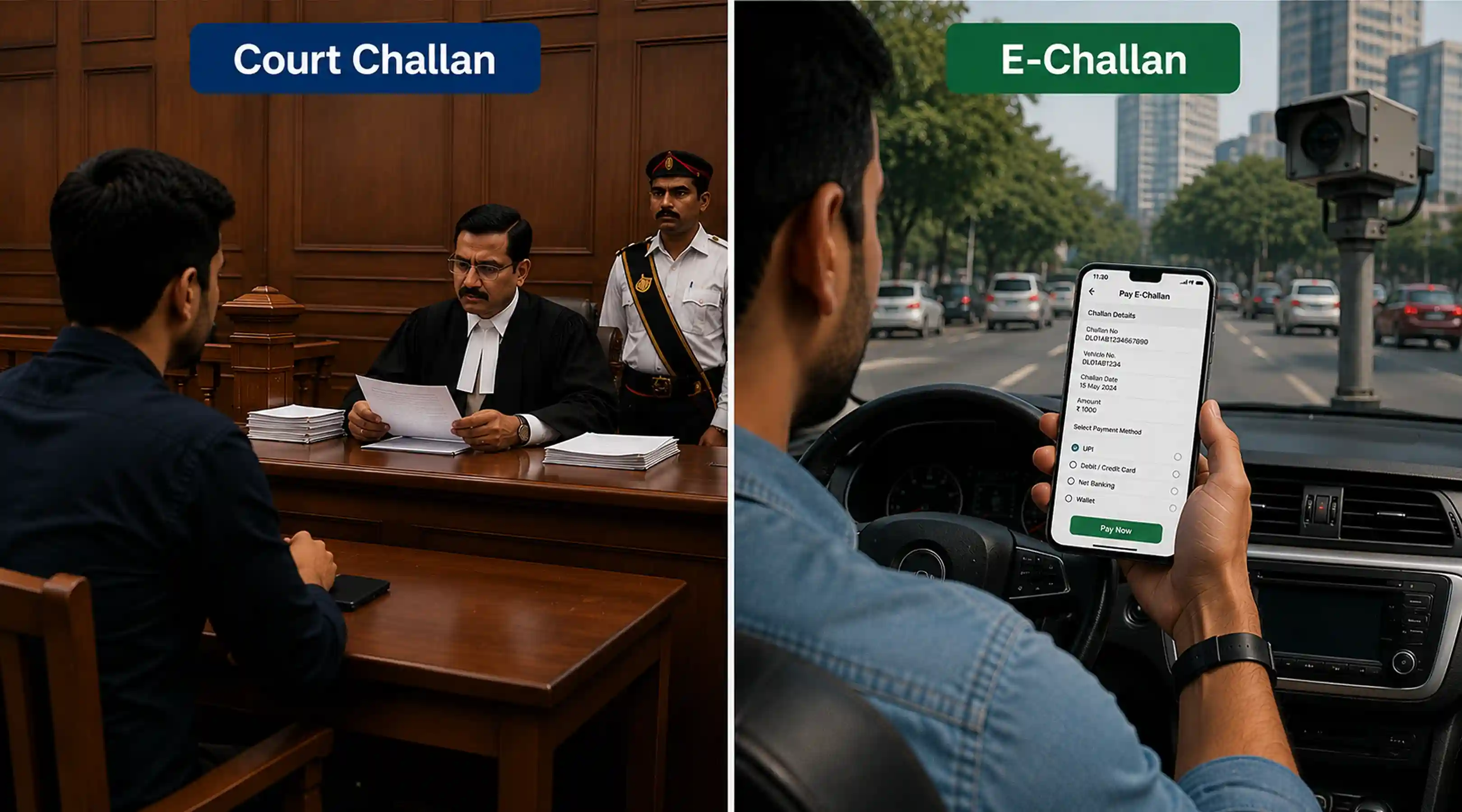
This advanced system will integrate with the e-challan mechanism to track the vehicle flow and provide innovative solutions for better traffic management and the modes of transport, replacing the tedious, manual and lengthy process of detecting traffic violations.
What are Key Highlights of ITMS?
- Integration with the National Vehicle database (NIC VAHAN) to issue e-challans.
- Application of a combination of advanced technologies.
- Easy challan traceability and operations.
- Real-time monitoring of traffic aligned with IoT (Internet of Things).
- Digital signature of the authorities along with pictorial evidence on the ITMS challan.
But how will this entire system work? - To understand this, jump to the next section and get detailed information.
How Will ITMS Work? - Stages Explained
The working of ITMS might seem complicated, but in reality, it is not so. Here are the simplified stages involved in working of the ITMS:
Stage I: Combination of Advanced Technologies
ITMS employs a combination of technologies such as AI, machine learning, etc., to detect the loopholes of the traffic management or road violations in no time.
The components of this system include:
- Area Traffic Control System (ATCS)
- Traffic Enforcement System (TES)
- Information Dissemination System (IDS)
- Traffic Surveillance System (TSS)
- Traffic Control and Command Centre (TCCS)
Stage II: Pulling Out the Essential Data
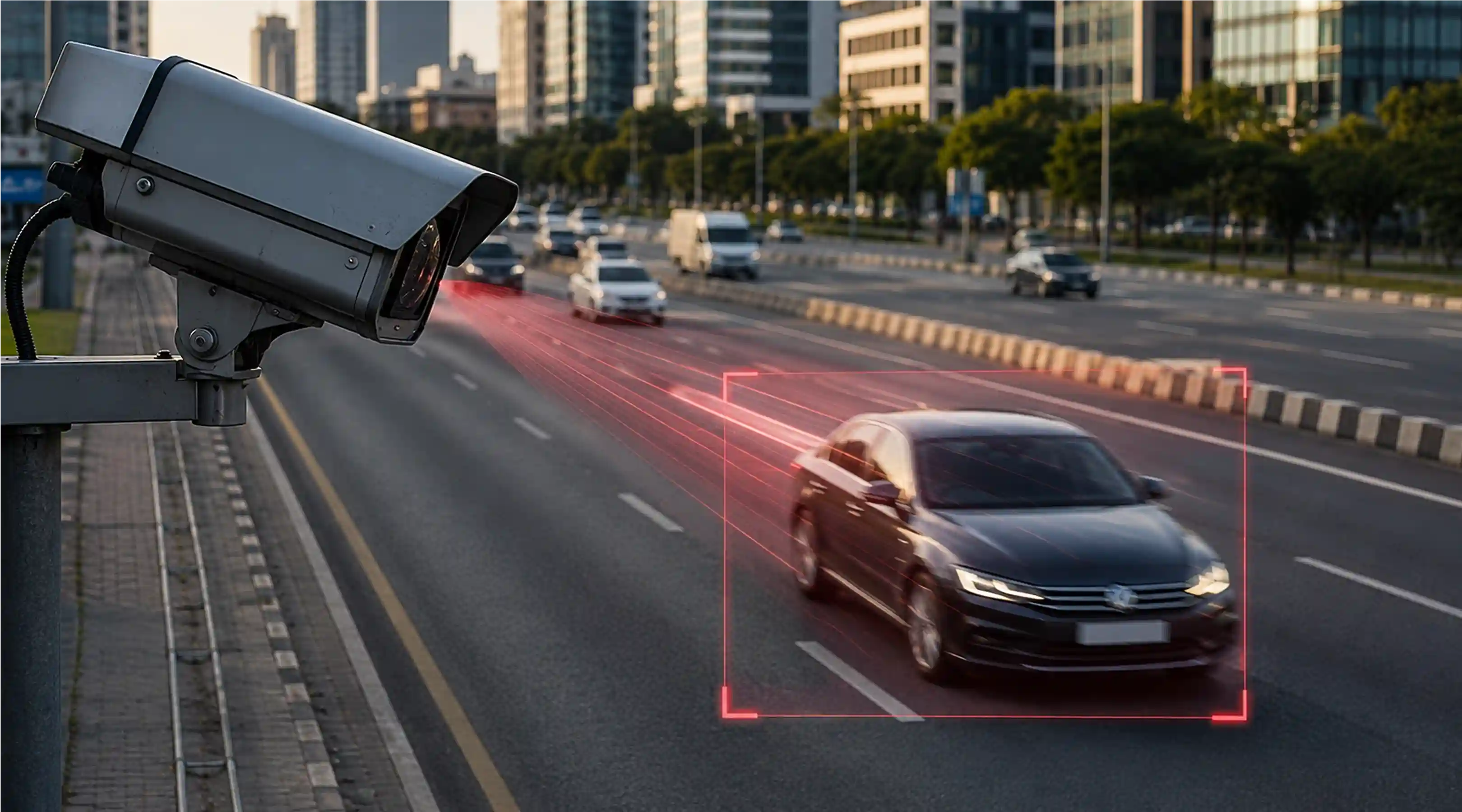
Using the advanced technologies, the system then collects data across the network. The data is pulled out through the numerous reliable sources, such as IP cameras, traffic sensors, speed guns etc., to track the current vehicle flow and forecast the traffic conditions.
Stage III: Assessment of Current Condition and Implementation of the Strategies
The collected data acts as a base for monitoring the status of traffic flow and anticipating the upcoming traffic conditions. After assessing the conditions, it further helps in implementing fruitful strategies to reduce the traffic congestion and improve road laws and safety.
Where Will ITMS Be Implemented?
Likely to come in force from November 15, 2025 (in some cities), this system is aimed at better monitoring and adherence to the traffic laws and regulations, and to achieve this, an ITMS challan will be issued to the violators. The areas where it will be implemented are:
- Parking lots
- Urban traffic areas
- Toll booths and highways
- Gated communities
- Commercial and industrial complexes
How to do ITMS Challan Payment through Parivahan?
On receiving the e challan notification or after completing the ITMS challan check process, the next step is to settle the challan to avoid further penalties.
ITMS challan payment online can be done easily through Parivahan.
The simple actions you need to take include:
Step 1. Visit the itms challan parivahan gov in portal.
Step 2 . Click on ‘Raise Grievances/Pay Challan’.
Step 3. Enter the ‘Vehicle Number’, ‘Chassis Number’ or ‘Notice Number’.
Step 4. Enter the displayed captcha and click on ‘Search Details’.
Step 5. Check the ITMS challan status and select the one you want to settle.
Step 6. Choose a suitable mode of payment from the available ones.
Step 7. Make the payment to settle the challan and avoid additional penalties.
NOTE: You might be asked to perform the ITMS challan login process.
How to Raise an ITMS Parivahan Grievance Request?
Before knowing how to raise a grievance request, it is important to know when to file it. ITMS challan Parivahan grievance request is raised if the person believes that the issued challan is incorrect.
The same should be requested as soon as possible or within 60 days from the date of challan issuance. Below are the steps to be taken:
Step 1. Go to the ITMS Parivahan page.
Step 2. Either perform the itms challan parivahan gov in login steps or click on the ‘Raise Grievances/Pay Challan’ option.
Step 3. Input the ‘Vehicle Number’, ‘Notice Number’ or ‘Chassis Number’ (last 5 digits).
Step 4. Click on ‘Search Details’ and review all the pending challans.
Step 5. Choose an incorrectly issued challan and take the prompted action to lodge a request.
Why is ITMS implemented in India?
The AI-powered ITMS approach is likely to address some of the most common traffic problems and enhance the level of safety on the road. This advanced system will provide a wider picture of the road activities, allowing the concerned authorities to act proactively and make further strategies for seamless management of the traffic.
The major objectives of levying the ITMS challan are:
Reducing Traffic Congestion: The fusion of advanced technologies will help in reducing traffic congestion by closely monitoring the entire traffic flow and adopting improvement strategies using IoT, IP cameras, etc.
Controlling the Number of Road Accidents/Fatalities: The around the clock and minute monitoring via ITMS helps identify the reason of accidents or fatalities, helping authorities to take the strong actions to control them.
Increasing Transport Efficiency: By reducing traffic congestion and improving the traffic flows, the integrated system also contributes to improving the transport efficiency.
Easy and quick detection of traffic violations: The advanced technologies helps in better and quick identification of the traffic violations and the offenders. Through ANPR technology the number plates of the vehicles are detected and ITMS challan notice is generated automatically imposing fines on the violators.
Improved Traffic Discipline: The 24/7 real-time monitoring through the control rooms will help authorities detect areas of traffic violation and improvement, helping them take corrective measures for better discipline on the roads.
What Can We Expect From ITMS
In a nutshell, with the implementation of the Integrated system, we can expect the following:
- Improved safety measures
- Better traffic management
- Quick accessibility of emergency vehicles
Conclusion
ITMS is an emerging modern solution to manage and accelerate traffic management systems by using advanced technologies and implementing smart strategies to improve the current traffic conditions and reduce violations. To put ITMS into pratice is beneficial for all - citizens (road users) and traffic authorities alike. Individuals can drive more safely and in a hassle-free way with reduced congestion whereas the authorities can track the status of traffic flow around the clock, maintain digital records and implement proper strategies after making informed decisions.