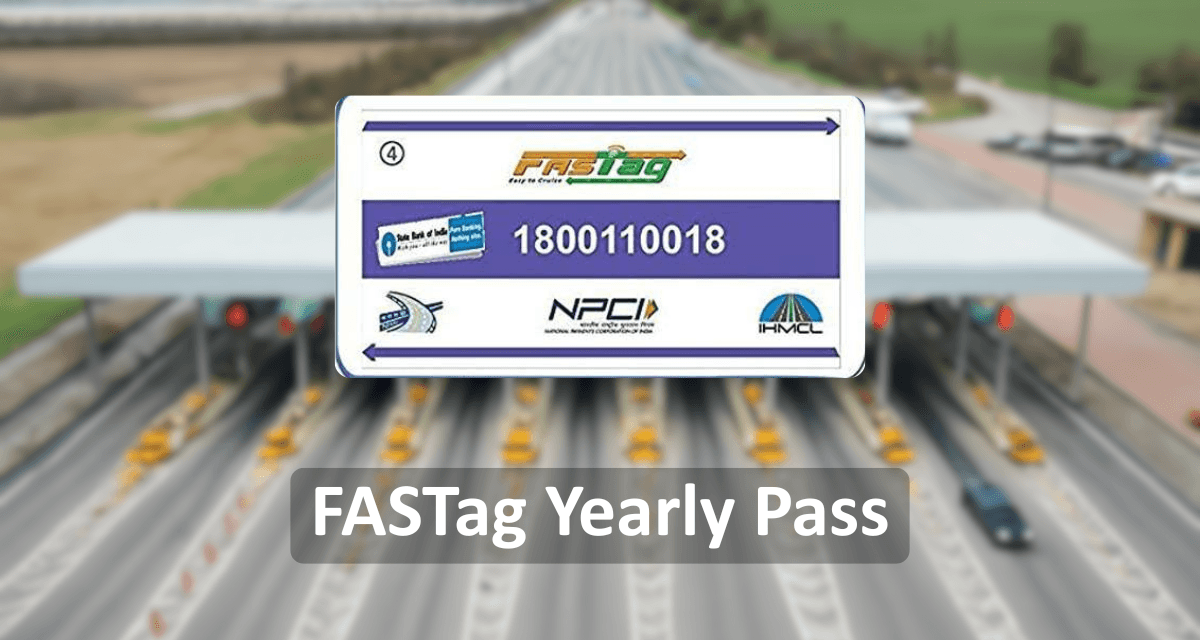

A FASTag is designed to make toll payments quick and cashless, but the tag may need to be replaced if it is damaged, stops working, is lost or becomes too old to use. You may need a replacement when changing your FASTag issuer or after buying a vehicle with an existing tag.
But how do you get a replacement FASTag? Learn how the replacement process works, which documents you may need and where to apply for a new tag.
Well, this guide covers the step by step process to help you replace your FASTag quickly and without unnecessary hassle.
When should you replace your FASTag?
Knowing when you need FASTag replacement saves you from unexpected double-toll penalties at toll plazas.
Here are the most common scenarios where getting a new FASTag is required:
Physical Damage: Cracks, peeling or other damage can affect the tag's ability to be read at toll plazas. Older Tags: If your FASTag is several years old i.e. has completed the validity period, check with your issuing bank whether replacement is required under the applicable rules. Windshield Replacement: If the windshield is replaced, the existing FASTag may need to be replaced rather than transferred to the new glass. Scanned as Non-Readable: Repeated scanner failures at toll gates even with a sufficient account balance. Stolen or Lost Tags: Tag missing from the vehicle requiring immediate hotlisting and replacement.
What documents are needed for FASTag replacement?
The documents required can vary depending on the issuer and reason for replacement. In many cases, you should keep your [vehicle registration details](vehicle registration details) and FASTag account information ready.
Commonly requested details may include:
- Vehicle Registration Certificate (RC)
- Previous FASTag ID details
- Registered mobile number
- Identity or KYC documents, if requested
- Replacement reason
FASTag replacement process online: Step-by-Step
Requesting a FASTag replacement online is straightforward through your bank or issuing portal (such as ICICI, HDFC, SBI, Paytm, IDFC, etc.).
Step 1: Log in to your issuer portal
Open the mobile app or official web portal of your tag provider (such as ICICI, SBI, or HDFC). Log in using your registered mobile number and verify via OTP.
Step 2: Select the FASTag services menu
Navigate to the "FASTag" dashboard, locate your linked vehicle registration number (VRN), and click on Manage FASTag or Request Tag Replacement.
Step 3: Specify reason and upload verification
Select the reason for replacement. If requested, upload a clear photo of the existing tag or your vehicle's Registration Certificate (RC).
Step 4: Verify delivery address and pay fees
Confirm your residential shipping address and pay the nominal replacement fee depending on the issuer of the bank, using UPI, debit card, or net banking.
Step 5: Deactivation and new tag dispatch
Your old tag is blacklisted to prevent misuse, and the new FASTag is dispatched to your doorstep within 3 to 7 business days.
How to replace FASTag offline?
If you prefer an in-person resolution or need an urgent tag swap before an immediate road trip:
- Visit the issuing bank's authorised FASTag POS location or agent, if an offline replacement service is available.
- Carry your vehicle's original RC, a valid government ID (Aadhaar or PAN) and the vehicle itself.
- Complete the tag replacement application form and submit it.
- The representative will issue the new sticker.
What happens when you replace a FASTag?
A new physical tag issued for the vehicle after the existing tag is reported as damaged, lost, stolen or otherwise eligible for replacement. The old tag is closed or suspended according to the issuer's process, while the wallet and balance are handled as per the applicable account rules.
How to replace a lost or stolen FASTag?
If your FASTag is lost or stolen, contact your issuer (customer care) as soon as possible and request that the old tag be blocked or closed. This helps prevent unauthorised use of the tag.
After the old tag is deactivated, you can apply for a replacement through your issuer. You may need to provide your registered mobile number, vehicle registration details and other information requested by the issuer. Do not simply buy another tag and leave the old one active. NPCI's rules aim to keep one active FASTag linked with one vehicle.
Conclusion
Replacing a FASTag is usually necessary when the tag is damaged, lost, stolen, no longer working or needs to be replaced under applicable age or issuer requirements. The process generally involves reporting or closing the old tag, submitting a replacement request and activating the new one. Keeping only the appropriate active tag linked to your vehicle also helps you follow the One Vehicle, One FASTag approach.