No, a FASTag does not pass to the buyer with the car. The sticker stays on the windscreen, but the account behind it is yours, tied to your KYC (Know Your Customer) documents and your bank account.
That split is where the trouble starts. Leave the tag live and toll debits can keep drawing on your money after the car has gone. The official answer on FASTag considerations when selling a car is short.
IHMCL, the company that runs the FASTag programme for the National Highways Authority of India (NHAI), says the original owner closes the account with the issuer bank, and the new owner buys a new tag from any of the issuer banks.
This guide follows the order you will work in. It covers who owns what, why nothing transfers, how to close the tag, what the buyer must do and where Park+ can help.
FASTag Considerations When Selling a Car, Split by Owner
A FASTag involves five considerations, and only the sticker stays with the car.
| Consideration | Belongs to | What the sale changes |
|---|---|---|
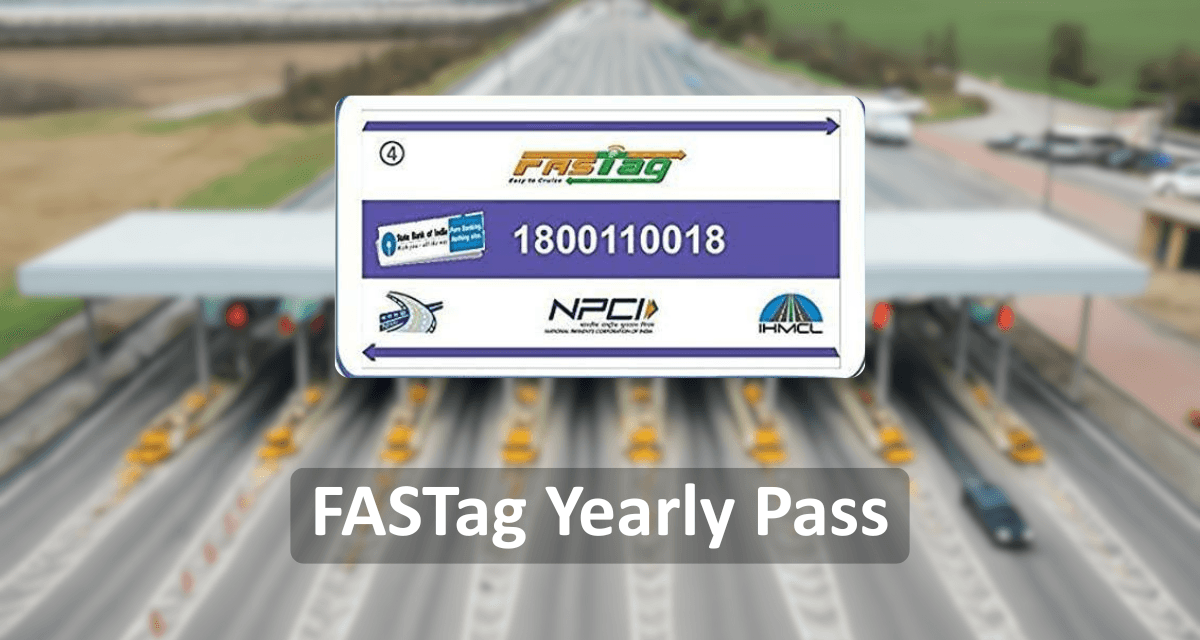
| Sticker on the windscreen | The car | Remove it at handover |
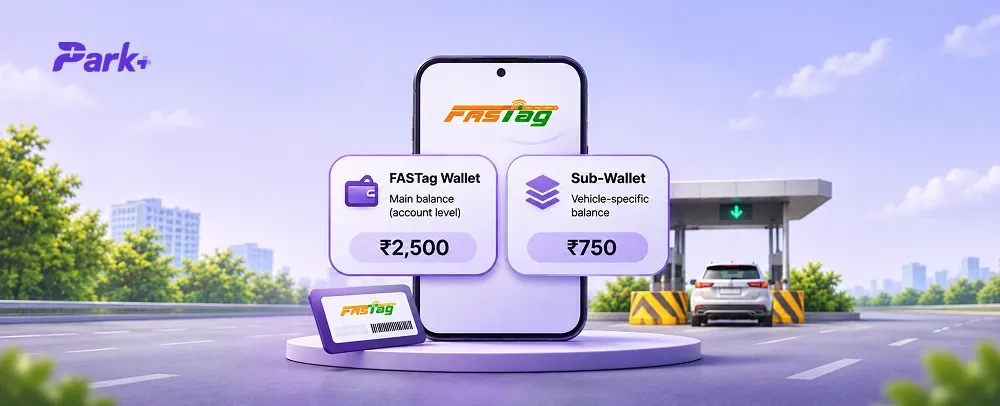
| FASTag account or wallet | You, the seller | Close it with your issuer bank |
| Balance in the wallet | You | Spend it, settle it in the price or take the refund |
| Auto-recharge instruction | You | Switch it off before handover |
| KYC documents | Whoever holds the tag | The buyer needs their own |
For FASTag considerations when selling a car, each issuer bank runs its own closure portal, but settlement follows one policy from the National Payments Corporation of India (NPCI), which sets the rules for every issuer.
Why There Is No FASTag Transfer, Only Closure
Three popular ideas about handing a tag over fail against the official rules.
You cannot pass the balance on
The FASTag issuing banks do have the condition that money cannot move between two FASTag accounts, even within one bank. The FASTag balance therefore goes one of three ways. You can spend it down, settle it in the sale price or take the refund yourself.
No NOC is needed
Some advice says you must give the buyer a No Objection Certificate (NOC) as proof of transfer. No official FASTag guidance asks for one. A NOC belongs to regional transport office (RTO) paperwork, and since a FASTag transfer does not exist, there is nothing for the certificate to prove.
The tag does not follow you to the next car
A FASTag is issued against one vehicle's registration certificate (RC), and IHMCL allows only one active tag per vehicle. A new car therefore needs a new tag. Some issuers, offer a service request to update the vehicle number with an RC copy. Ask yours, but treat it as an extra and not a standard step in selling.
Where You May Need Park+ and the Parivahan Portal
Two services cover the checks around a sale, and neither closes the tag.
Park+: Select FASTag service and enter your vehicle number to check the balance, or buy a new one (if case, the buyer is purchasing a new car). You can also check and pay e challan, if there are any.
Parivahan: The Parivahan eChallan portal (echallan.parivahan.gov.in) shows and settles challans, and vahan.parivahan.gov.in is the digital platform to initiate the change of ownership process.
FASTag closure and the refund stay with the issuer bank.
FASTag Considerations When Selling a Car, Step by Step
Seven steps cover the sale, in the order you can do them.
Before you list
Check the balance: Look it up on Park+ first. If it is negative, recharge before closing, because pending dues are cleared before any refund.
Clear pending challans: Pay any e-challans on the car before handover, through Park+ or the NextGen eChallan portal.
At the deal table
- Agree the tag's fate: Closure is the clean answer. Decide whether the balance is spent, folded into the price or refunded to you. If the tag stays on the car for any reason, write into the sale terms that the wallet and its balance are yours and that you will close it. This is our advice, not a legal rule.
On handover day
Remove the sticker: Peel the old tag off the windscreen before the buyer drives away.
Switch off auto-recharge: A standing instruction tops up the wallet from your bank account whenever the balance drops below a set level. Left running, it pays the buyer's tolls from your money. Disable it in your issuer's portal.
Raise the FASTag closure request: Use your issuer's portal or call centre, with your bank account details ready. Some issuers also ask for a cancelled cheque.
After the sale
- Track the FASTag refund: Note the request date and chase the issuer if the money has not arrived within 15 working days.
How Long the FASTag Refund Takes
NPCI's closure policy, issued on May 17, 2023, caps final settlement at 15 working days from a valid request, paid to your chosen bank account or by demand draft.
Pending dues are cleared first, and a blacklisted tag gets no refund.
Some banks are faster while some banks take quite long. Plan for 15 working days, and expect late tolls to keep posting for a few days after your request.
What the Buyer Needs on Day One
FASTag considerations when selling a car also include readying the buyer. Three points reach them.
Documents: IHMCL asks for the RC, a passport photo and KYC documents, and the issuing bank adds that every document must be in the vehicle owner's name. Your KYC cannot ride along.
No cash fallback: From April 10, 2026, the Ministry of Road Transport and Highways (MoRTH) discontinued cash payment at National Highway toll plazas, however, vehicles without a valid FASTag are charged 1.25 times the toll amount when paying via UPI.
A clean tag record: Only one active tag per vehicle is allowed, and a tag that does not match the vehicle's class is blacklisted at the plaza, after which no new tag can be issued for that vehicle number. If the seller's old tag has a negative balance or the seller cannot be reached, NPCI's policy lets the buyer ask the issuer to close it with an ownership transfer document or RC copy.
Before You Sign
Ownership: None of the FASTag considerations when selling a car decides the sale. The sale completes when the RTO records the new owner, and we found no rule linking FASTag status to its legality.
Insurance and PUC Certificate: The transfer of insurance and the pollution-under-control (PUC) certificate are separate jobs from FASTag.
A Final Word
There is no FASTag transfer, so close the tag when selling your vehicle. FASTag considerations when selling a car come down to four moves. Settle the balance, remove the sticker, stop the auto-recharge and raise the FASTag closure request. Then tell the buyer to buy a tag of their own before the first toll.
FAQs
What are the FASTag considerations when selling a car?
Close the tag. IHMCL says the original owner closes the account with the issuer bank and the buyer gets a new tag. Remove the sticker and switch off auto-recharge as well.
Can I transfer my FASTag balance to the buyer?
No. The remaining FASTag balance cannot move between FASTag accounts. Spend the balance, settle it in the price or take the refund.
How long does a FASTag refund take?
NPCI's policy caps it at 15 working days from a valid closure request.
What happens if the buyer has no FASTag?
Cash is discontinued at National Highway toll plazas from April 10, 2026. The toll charges paid by UPI cost 1.25 times.