The number of road accident cases in India has put everyone in shock. The data states that around 1.8 lakh deaths have been due to road accidents in 2024. The government has been conducting awareness campaigns and other measures to educate people and provide them with safer roads.
One Nation, One Challan is one such initiative taken by the government, holding a broader picture in India. The initiative was proposed to ensure a smooth and better e-Challan management across the nation, along with adding other great benefits. Dive ahead in the read to understand the complete aspects associated with this scheme.
What is One Nation, One Challan?
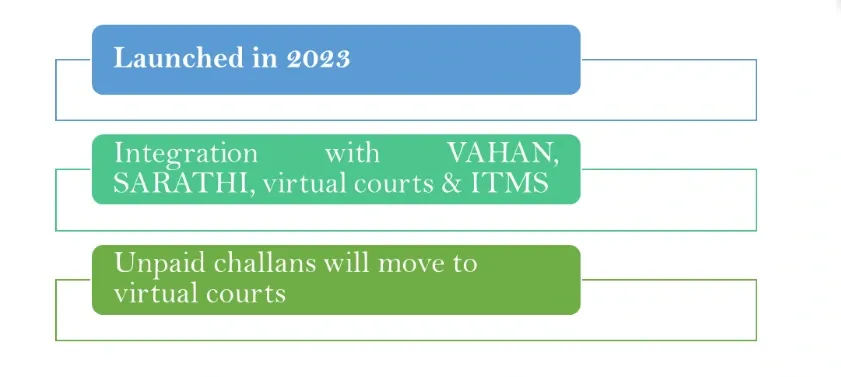
One Nation, One Challan is a national-level initiative introduced by MoRTH (Ministry of Road Transport and Highways) in 2023. At first, this approach was implemented in Gujarat to create a transparent and citizen-centric enforcement system to streamline the entire e-Challan system across the country.
The other states where this scheme was practiced initially include: Telangana, Andhra Pradesh and Delhi. There are several other states as well, in addition to the ones listed above. Under this transformative plan, the e-Challan system with integrated with the ITMS (Intelligent Traffic Management System).
Why is ONOC in the news again?
Though this is not a new initiative, it once again gained the attention of the people with a PIL (Public Interest Litigation) hearing at the Gujarat High Court. During the hearing, the state government of Gujarat stated that they have already started setting up virtual courts for traffic challan settlements, under the One Nation, One Challan initiative aimed at reducing administrative delays, saving time and effort.
Key Highlights of ONOC
What is the idea behind introducing ‘ONOC’?
The flagship project launched by MoRTH is aimed at integrating all related agencies on a single platform for smooth collection of e-Challan penalties and data sharing as well. This initiative is directed towards aligning RTOs, traffic police departments, and judicial authorities, along with the integration of national databases such as VAHAN and SARATHI, building a single platform.
Creating a single platform under the One Nation, One Challan will require integration of the real-time monitoring technologies and mobile-enabled enforcement tools as well. Doing so will not only help in the better and smoother management of the e-Challan system but will also contribute to the proper enforcement of the traffic laws and regulations.
The sobering facets
Below is the data of the number of deaths caused out of road accidents, during the following years.
| Year | Number of road accident deaths |
|---|---|
| 2023 | 1,72,890 |
| 2022 | 1,68,491 |
| 2021 | 1,53,972 |
How does One Nation, One Challan work?
The ‘One Nation, One Challan’ works in a simplified way even after integration with the advanced technologies. Here is the detailed information on its working:
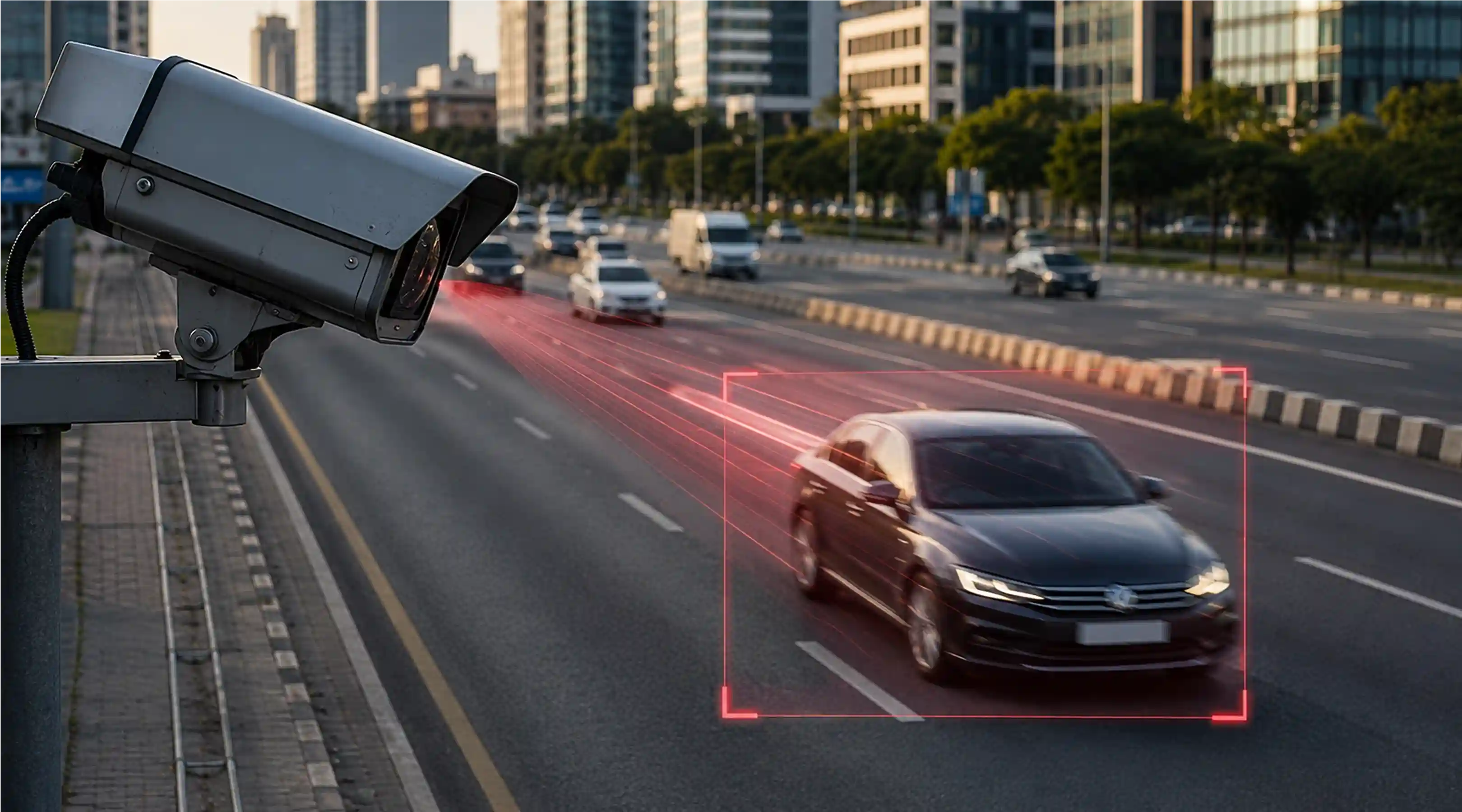
Violation recorded: The process starts from the moment a violation is detected through automated means, such as CCTVs, speed guns, etc.
Information fetched: The advanced system through which the violation is recorded will send some crucial details, such as the vehicle number. Based on this, the system will fetch information from the integrated national databases - VAHAN and SARATHI
Generation of e-Challan: Based on the information fetched, the system will automatically generate an electronic challan, listing the violation type, location, time, fine amount and other important instructions.
Notification sent: As soon as the system generates an e-Challan, a notification/alert is sent to the violator, informing them about the traffic offence.
Check and pay challan: The individual can then check this e-Challan either through Parivahan or Park+ and make a secure payment after opting for a suitable option.
Challan status updated: Once the system confirms that the payment is made by the individuals, the challan status gets updated automatically from pending to paid. Individuals are advised to get a payment receipt after settling their e-Challans.
What if the case remains unsettled?
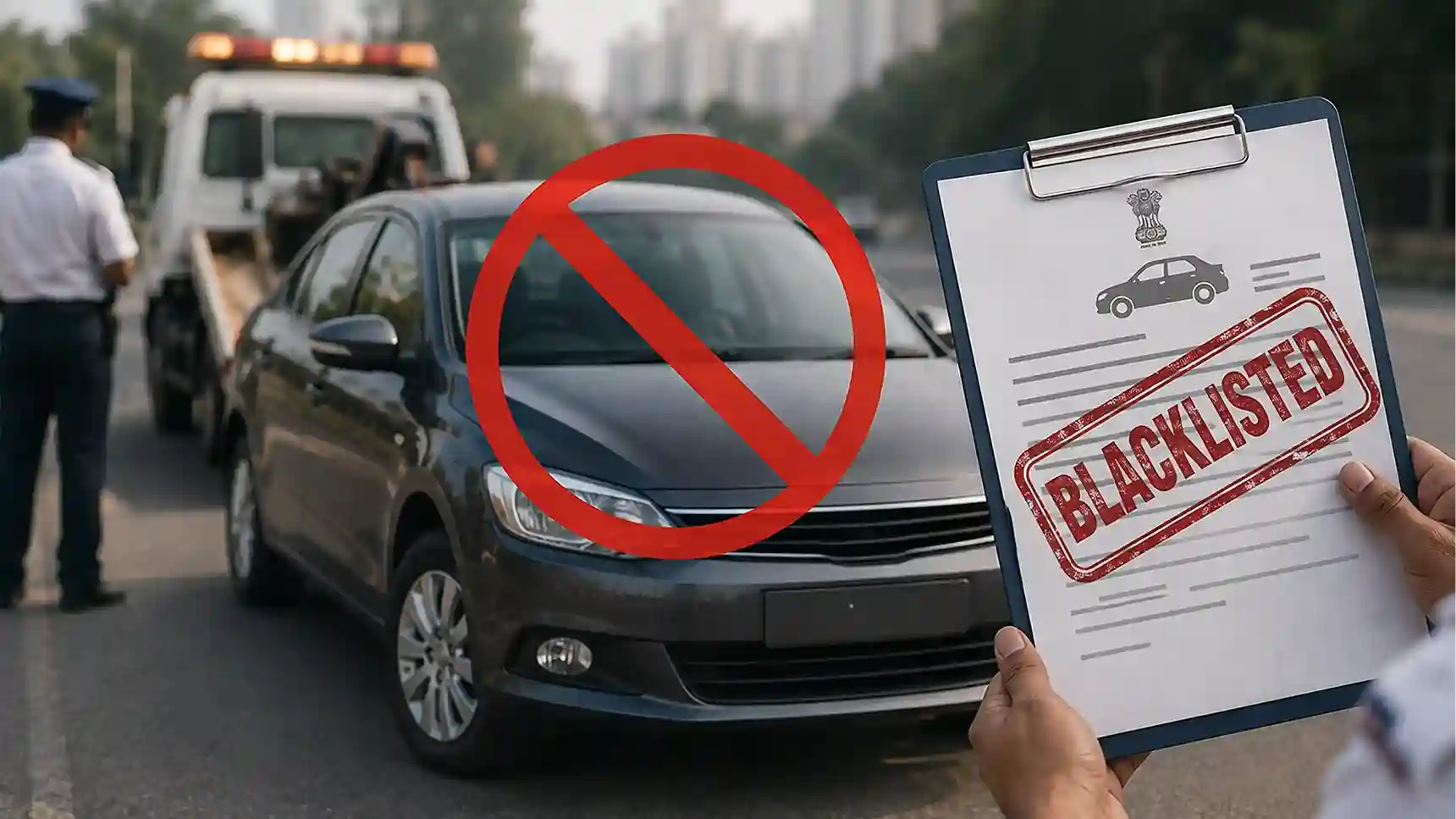
On the other hand, if the e-Challan remains pending for 90 days or more, it will be moved to the virtual court for further proceedings.
How will ONOC help in streamlining the e-Challan system?
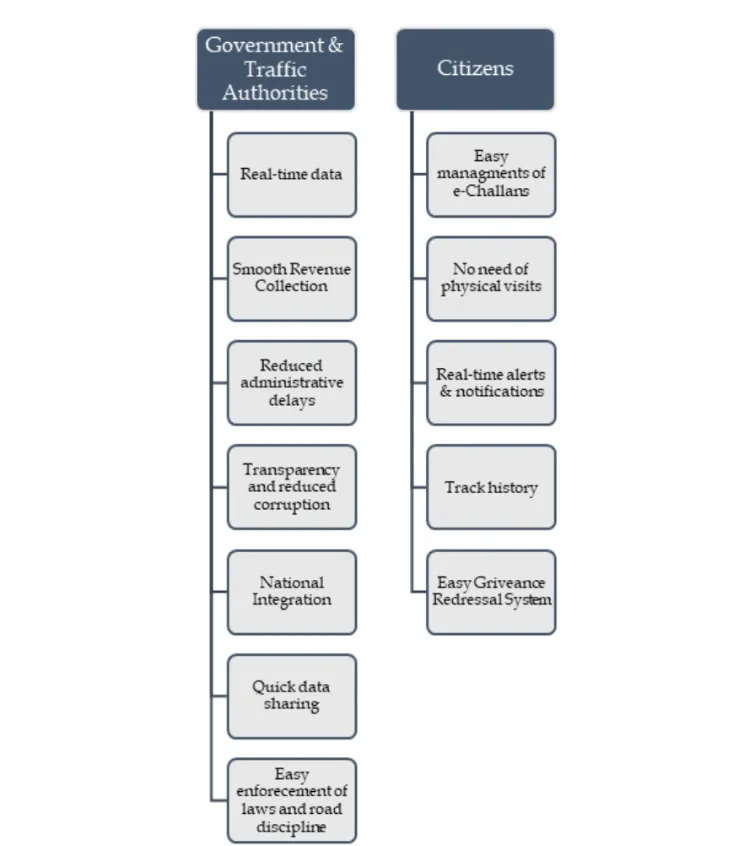
The establishment of a unified e-Challan system is expected to bring a big relief to the complete system, along with providing some other benefits as well.
A few of the benefits that ONOC will bring to citizens and government are:
What challenges is India facing in the implementation of ONOC?
One Nation, One Challan project was proposed and launched by the MoRTH to simplify the complete e-Challan system and to replace multiple platforms with a single platform reducing chaos and complexity.
But what’s the challenge?
Aforementioned, while implementing the scheme, some challenges were recorded, such as:
Lack of awareness: In India, people are still not aware of the internet. Thus, special campaigns have been run to educate the people about how to check and pay the e-Challan.
Limited access to the Internet: Some regions in India still don’t have access to the internet, acting as a major challenge in putting this idea into practice.
Increase in digital scams: With the emerging trends and dependency on the internet, there has been a significant spike in online fraud and scams.
Coordination gap: Another major challenge is that there has been a coordination gap between the states. India is a large country and every state has its own system for challan management. Thus, bringing all of them together and creating a unified platform is definitely a tough task.
ONOC: The road ahead!
One Nation One Challan is, though facing a couple of challenges during the implementation, just like any other new initiative, but it will surely bring big relief to the e-Challan system, data sharing procedure and enforcing road discipline rules for safer driving in the country. To further elevate the complete mechanism, the NIC is also planning to launch its separate platform for managing e-Challans.
Note: The figures mentioned might vary based on the final report.