Understanding E Challan Scams: A Quick Glance
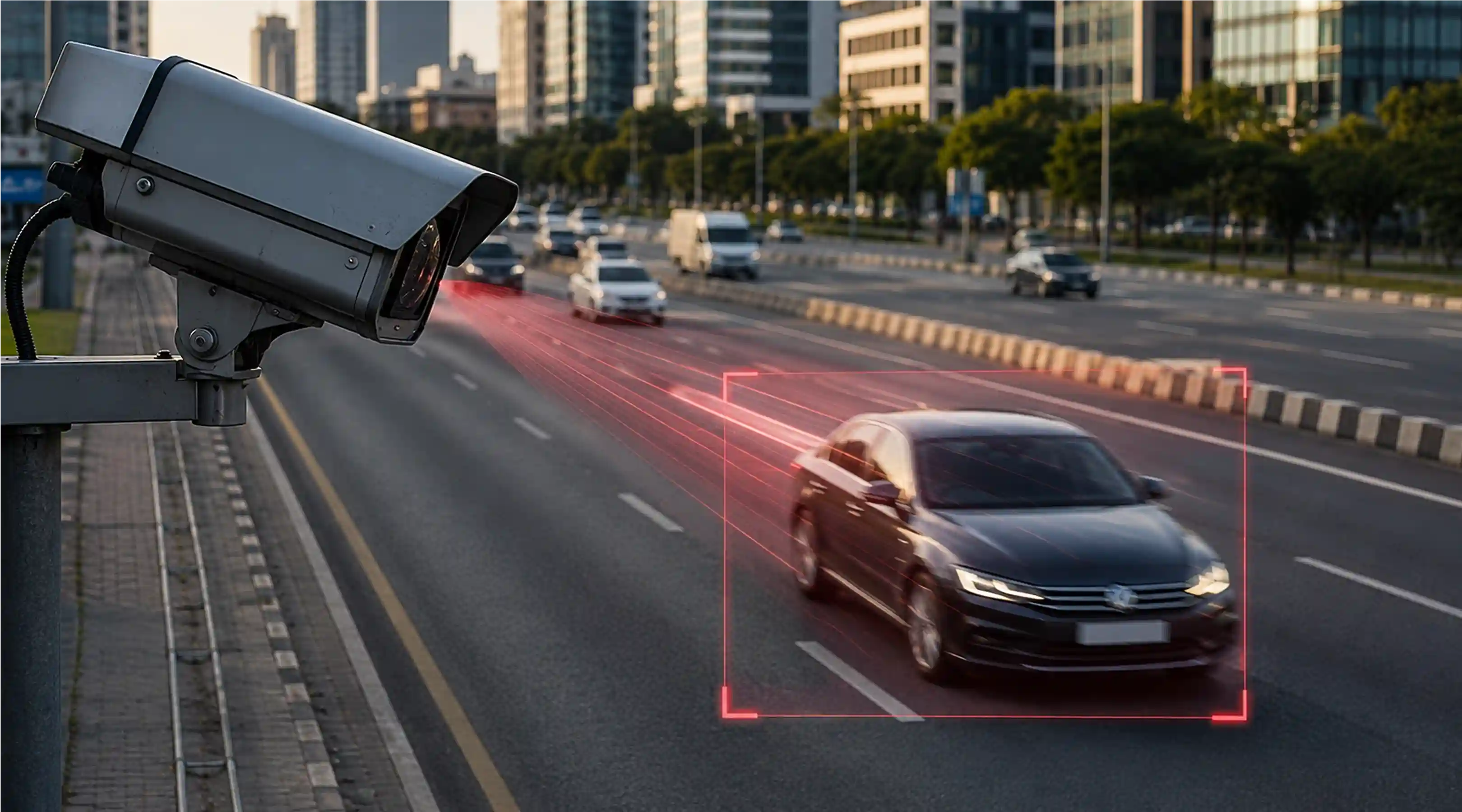
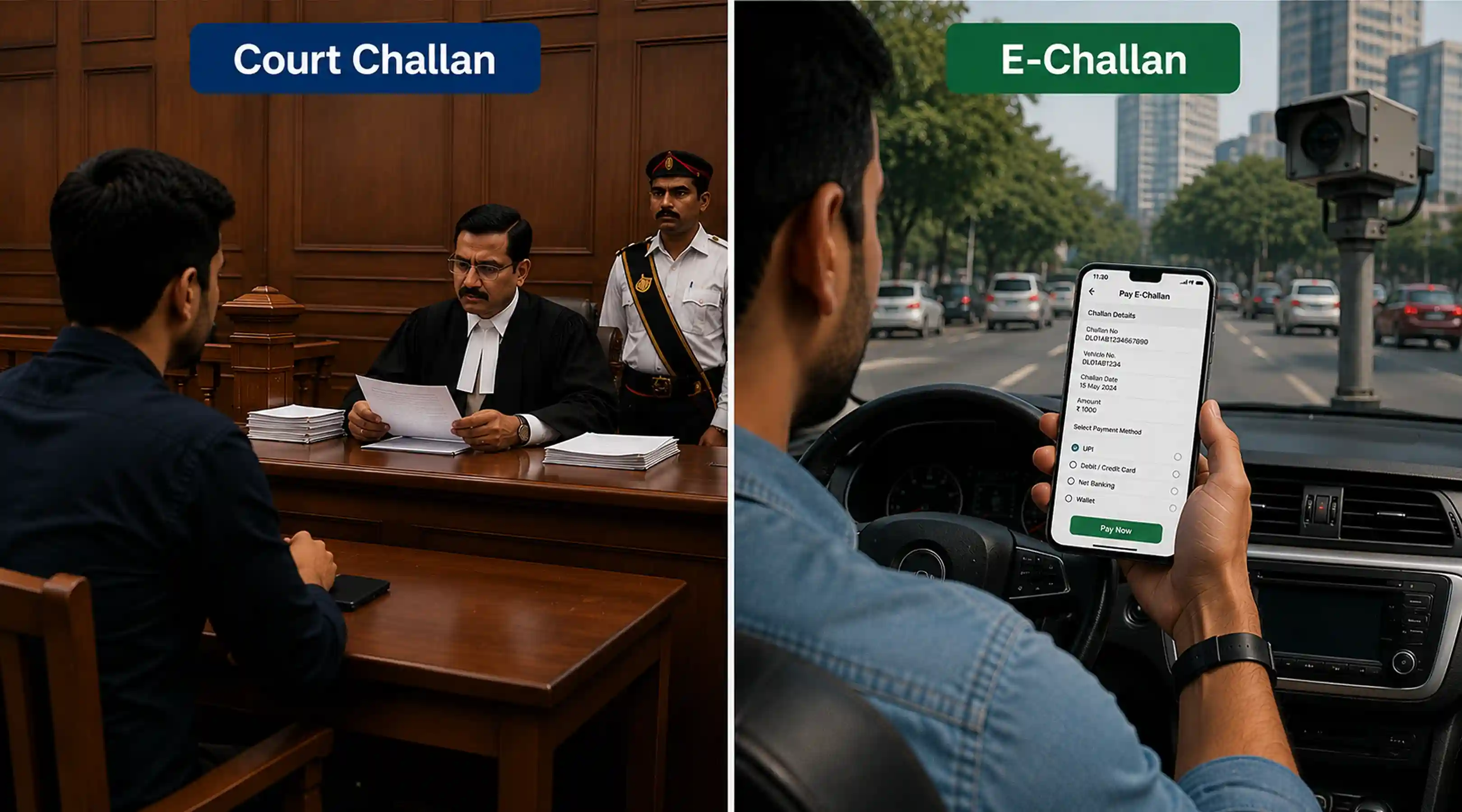
E challan is a digital ticket issued to the violators of the traffic laws. These tickets are issued to those who fail to comply with the basic road rules and regulations. Earlier, the challans were issued on paper, but to streamline and improve the traffic management system, online challans are issued.
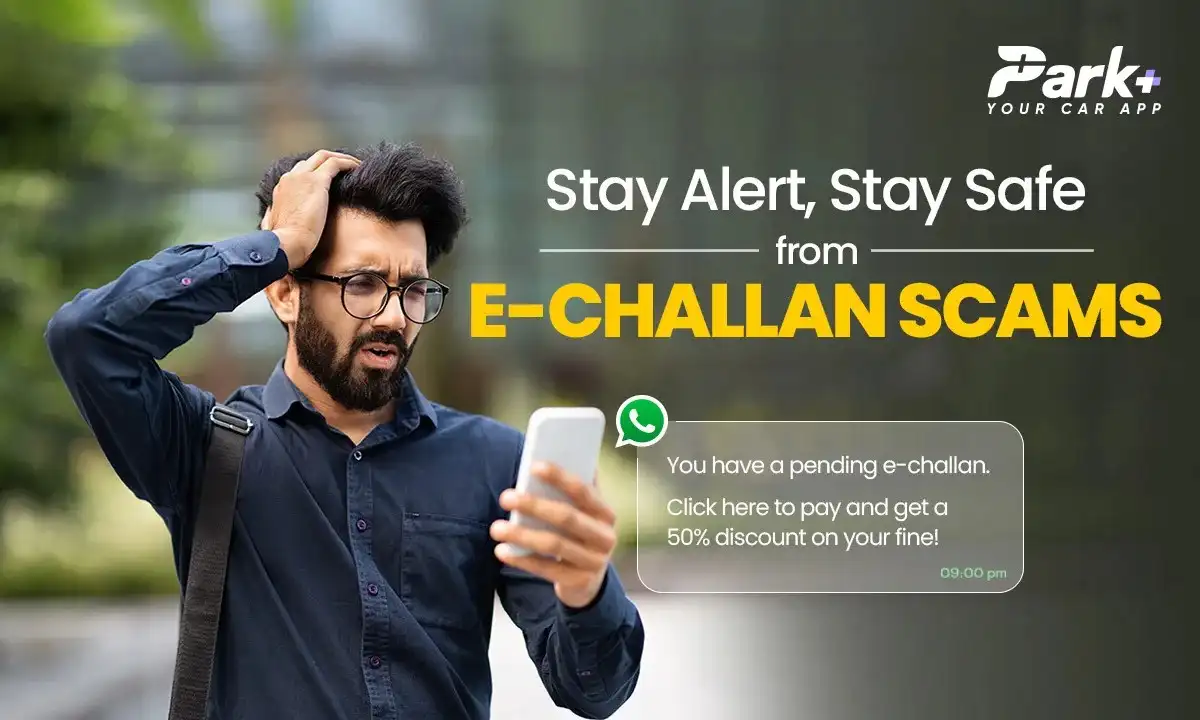
E-challan scams are methods through which scammers send fake traffic challan messages/notices or make calls under the pretense of being from the official traffic authority. This is done to deceive vehicle owners and take advantage of them by stealing their money through unauthorized payments or by compromising their privacy.
E-challan scams can be carried out in the following ways:
- SMS
- Fraudulent calls
- WhatsApp messages
- Emails
Preventive actions to avoid e-challan scams
Even though e-challan scams have become very prevalent, falling for these can be greatly reduced if an individual takes certain precautions and stays alert, such as using verified and trusted websites like Park+.
Follow these steps to prevent e-challan scams:
Verify Sources: Always cross-check e-challan details using official government websites or authorized apps such as Park+.
Avoid Links from Unknown Sources: Do not click on links or download attachments from unknown or suspicious messages.
Use Two-Factor Authentication: Activate two-factor authentication on banking and other important apps to increase your security.
- Educate and Spread Awareness: Share information about e-challan scams with friends and family to prevent further potential fraud.
General techniques practiced in e-challan scams
Scammers use multiple techniques to trick vehicle owners into paying fake e-challans or revealing sensitive information.
Fake e-Challan Messages: Scammers send traffic challan alerts that appear to be from traffic authorities and threaten to levy extra fines if the dues are not paid immediately.
Fraudulent App Downloads: Victims are scammed into downloading APK files disguised as official apps, which then are used to steal data from their desktops or mobile phones.
Phishing Websites: Links in scam messages lead to websites that mimic official portals with the aim of stealing personal and financial information.
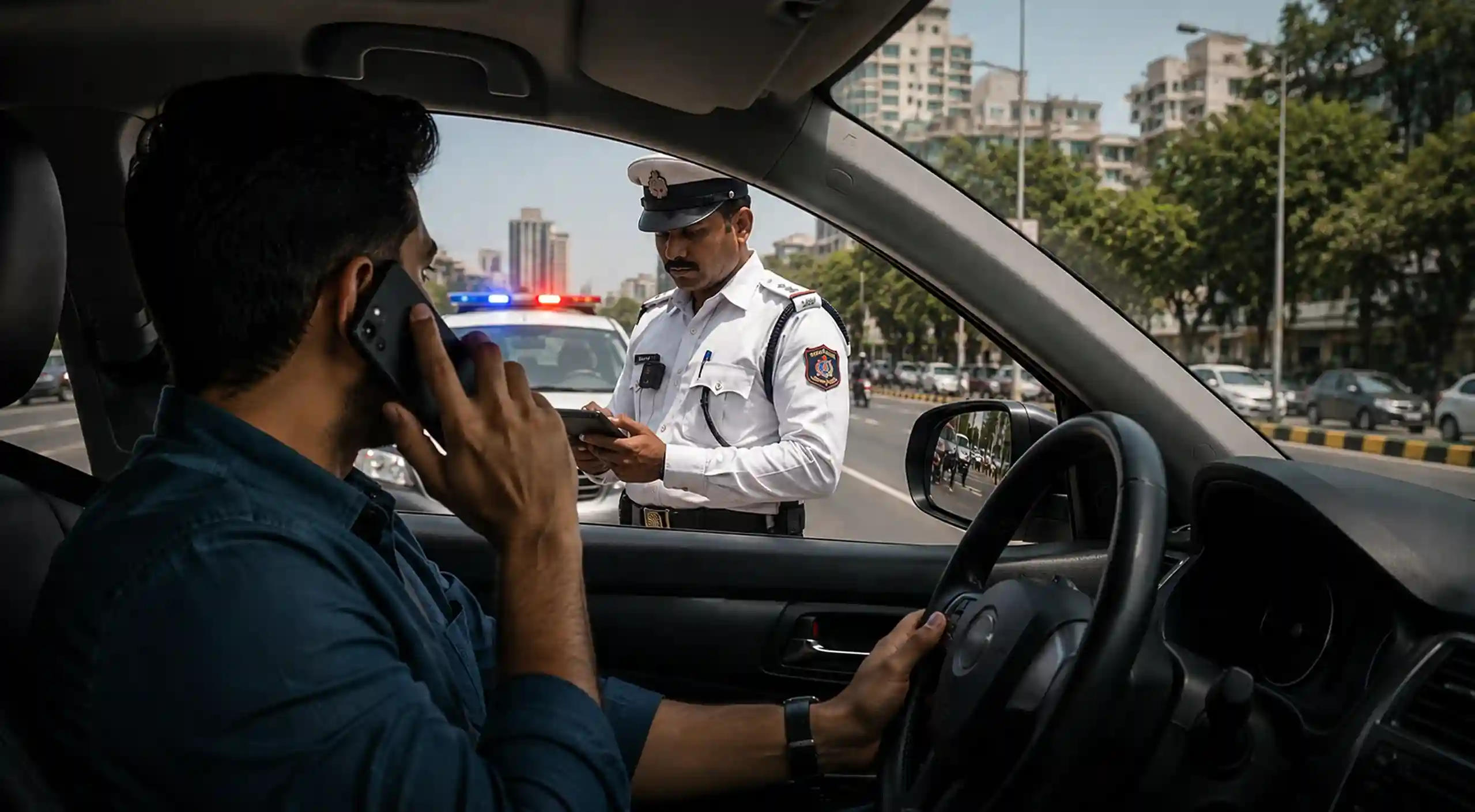
- Fraudulent Calls: Scammers pretend to be traffic police or RTO officials and demand immediate payment over the phone.
Data Harvesting: Some scams involve collecting personal data through fake surveys or forms, which are then used for identity theft or further fraud.
How to identify online e-challan scams
Here are some of the common signs of e-challan scams that can help you identify and avoid falling victim to them.
Check the sender's information: Official messages generally come from verified government numbers or email addresses.
Check the language used: Scam messages commonly contain grammatical errors, informal language, or threats of legal action.
- Verify the vehicle details: Make sure that the vehicle number mentioned matches your own. Cross-check this information with your vehicle’s registration details.
Check links: Verify authenticity of links. Official websites usually have ‘.gov.in’ at the end of the link.
Look for suspicious attachments: Do not download attachments from unknown and unverified sources, as they may contain malware that can also adversely affect your computer, laptop, or phone.
What to do if you suspect an e-challan scam
If you suspect an e-challan scam, don’t worry - take the following steps promptly to avoid losses:
Do not engage: Avoid clicking on links, downloading attachments, or providing personal information to suspicious messages from unknown sources.
Report the incident: File a complaint with the ‘Cyber Crime Portal’ at www.cybercrime.gov.in or contact the national helpline - 1930.
Inform your bank: Notify your bank immediately if you've shared information or suspect unauthorized transactions.
Conclusion
E-challan scams allow criminals to take advantage of vehicle owners through new, everyday channels like SMS, fraudulent calls, and more. With this rise, it is important to stay alert and keep up with simple precautions that go a long way - such as verifying sources, avoiding suspicious links, and using trusted platforms like Park+. The ability to stay safe lies in our hands - by raising awareness about online traffic challan scams and taking immediate steps against them, we can reduce crime rates and make a more secure online environment for the future.