Car insurance is more than just a legal requirement; it’s your financial safety against unexpected risks on the road. Whether you drive daily or occasionally, having the right car insurance policy ensures peace of mind.
In India, car owners can choose between third-party and comprehensive car insurance. Understanding the difference between third party insurance and comprehensive insurance helps to make an informed decision that balances cost, coverage and convenience when buying or renewing car insurance.
What is Third-party Car Insurance?
Third-party car insurance is a mandatory policy under the Motor Vehicles Act, 1988. It protects you from any legal or financial liabilities if your vehicle causes injury, death, or property damage to another person or vehicle.
Key Highlights This policy is a non-negotiable legal requirement that acts as a basic safety net for others, but it comes with significant limitations for the policyholder.
Here are some of the features for Third-Party Car Insurance:
- Mandatory Requirement: It is compulsory to hold this policy to drive legally on Indian roads.
- Third-Party Coverage Only: It covers financial liability arising from bodily injury, death, or property damage caused to a third person by the insured vehicle.
- Personal Accident Cover: It includes a mandatory personal accident cover for the owner-driver in case of accidental death or permanent disability.
- Good for old cars: It is ideal for old or low-value cars with minimal usage, such as secondary or spare vehicles.
What is Comprehensive Car Insurance?
Comprehensive car insurance is the most recommended form of motor insurance. It is a package policy that combines two major covers: the mandatory ‘Third-Party Liability Cover’ and the ‘Own Damage (OD) Cover’. It provides all-around financial protection for the policyholder's vehicle, offering coverage against a wide range of accidental and non-accidental damages.
Key Highlights This policy offers comprehensive coverage, ensuring your car is protected from unforeseen expenses and providing you with maximum peace of mind on the road.
Here are some of the features of the Comprehensive Car Insurance:
- Own Damage Cover: It pays for the repair or replacement costs of your car if it is damaged due to an accident, fire, explosion, or theft.
- Calamity Coverage: It covers damages caused by natural disasters (like floods, earthquakes, cyclones) and man-made disasters (like riots and strikes).
- Inclusion of Third-Party Cover: It automatically includes the legally required Third-Party Liability cover.
- Customisable with Add-ons: You can enhance your coverage with optional add-ons like Zero Depreciation, Roadside Assistance (RSA), Engine Protection, and Consumables Cover.
- No Claim Bonus (NCB) Eligibility: You can earn a significant NCB discount on the 'Own Damage' premium for every year, if you don't file a claim, making it cost-effective over time.
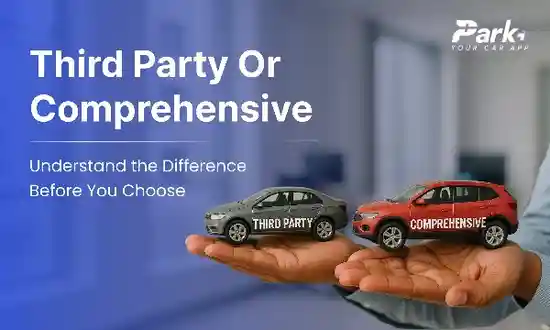
Comprehensive Insurance Vs Third-Party Insurance: Key Difference
Driving in India comes with a few essentials: a valid licence and, most importantly, car insurance. But when you look at the motor insurance options, two names always pop up: Third-Party insurance vs Comprehensive insurance. They sound similar, but their protection levels are worlds apart.
Understanding the difference between third-party insurance and comprehensive insurance is vital before choosing a plan:
| Basis of Comparison | Third-Party Car Insurance | Comprehensive Car Insurance |
|---|---|---|
| Coverage | Covers only third-party injuries, disability, death, and property damage | Covers third-party and own damages |
| Legal Requirement | Mandatory by Law | Optional but strongly recommended |
| Add-Ons | Not included | Multiple add-ons can be added |
| Premium | Lower, Budget-friendly | Higher, depending on add-ons and car value |
| No Claim Bonus (NCB) | Not applicable | Available with own damage coverage |
| Repair Coverage | Not covered | Cashless repairs in partner garages |
| Best For | Old, low-value, or rarely used cars | New, high-value, or regularly used cars |
| Own Damage Cover | Not included | Included (accidents, theft, fire, calamities) |
Which Car Insurance Policy is Better?
When it comes to deciding which policy is better, it all depends on your needs and budget. For a user driving an old, low-value vehicle who is comfortable bearing repair costs, a third-Party car insurance plan might suffice to meet the legal requirement at the lowest possible premium.
For new or expensive cars, a Comprehensive car insurance policy is technically better because it offers superior financial security by covering both your vehicle and third-party liabilities; the "best" policy ultimately differs based on the vehicle owner’s specific needs and circumstances.
Many car owners prefer some trusted platform for insurers like HDFC ERGO car insurance, ICICI Lombard car insurance, and TATA AIG car insurance for their wide coverage options, hassle-free claim process and online renewal convenience.
When to Opt for the Third-party Car Insurance Policy?
The Third-Party policy is suitable for a very specific set of requirements, primarily focused on meeting the bare minimum legal compliance.
- Legal Requirement: A third-party car insurance policy helps you meet the mandatory legal requirement, saving you from fines or legal trouble and renewing car insurance quickly and affordably.
- Old or Low-Value Car: Best suited for older cars with a low market value, where paying a high premium for comprehensive coverage isn’t worth it.
- Budget-Friendly Option: Ideal if you’re on a tight budget and want the most affordable annual premium.
- Limited Use: Perfect for cars that aren’t driven often or are only used in safe, low-traffic areas.
- Ready to Handle Own Repairs: Suitable if you can afford to pay for your own car’s repair or replacement costs in case of damage.
When to Opt for the Comprehensive Car Insurance Policy?
The Comprehensive policy is the ideal choice for maximizing protection and ensuring long-term financial stability against vehicle-related expenses.
- New or Expensive Car: Best for new or high-value cars, especially those less than 5 years old, since repair and replacement costs can be high.
- Extra Protection Options: Add useful covers like ‘Zero Depreciation’, which ensures you get the full claim amount for replaced parts without deductions.
- All-Round Coverage: Protects cars from a wide range of risks like theft, fire, floods, earthquakes, and other natural or man-made disasters.
- For Regular Drivers: Ideal if you drive often, face heavy traffic daily, or live in accident-prone or high-risk areas.
- Complete Peace of Mind: Offers full financial security knowing that both your car and third-party damages are covered under one plan.
Which Car Insurance Policy to Choose from These Options?
To make the right choice between 3rd party insurance vs comprehensive insurance policies, check the vehicle’s condition against your personal financial situation and driving habits. Consider the following crucial factors:
- Car’s Age and Value: New cars deserve comprehensive coverage; older ones may only need third-party.
- Usage Frequency: Daily drivers benefit more from comprehensive policies.
- Area of Use: If you live in accident-prone or high-theft areas, go for broader coverage.
- Budget: Weight premium costs against the benefits offered.
- Add-on Options: Choose add-ons like zero depreciation and engine protection for added peace of mind.
- Insurer’s Reputation: Trusted companies like HDFC ERGO car insurance, TATA AIG car insurance and Bajaj Allianz car insurance offer excellent claim support and online policy management.
Conclusion
Both third-party and comprehensive car insurance policies play crucial roles in protecting vehicles. The difference between third party insurance and comprehensive insurance mainly lies in the extent of coverage and cost.
If you only need basic legal compliance, third-party insurance would be good. But for full protection against theft, damage and natural disasters, comprehensive insurance from a reputed insurer is the smarter choice.
While renewing car insurance, compare 3rd party insurance vs comprehensive options carefully because the right car insurance policy not only saves money but also protects what matters most, car and your peace of mind.