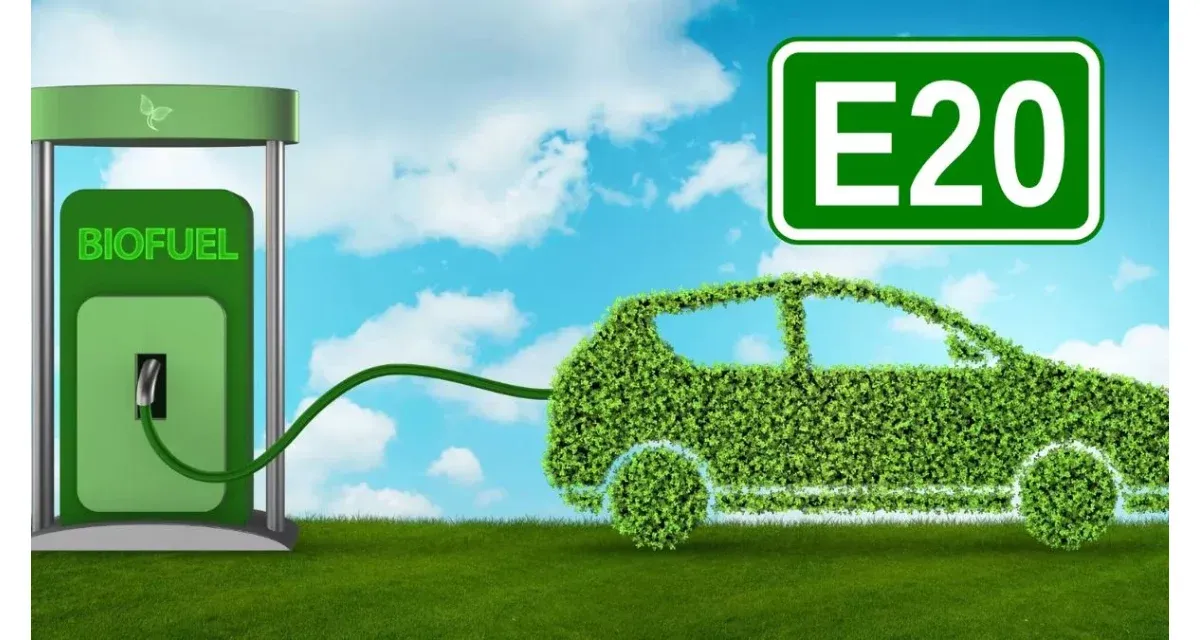
Government Defends E20 Fuel Amid Growing Public Backlash
Carmakers have publicly backed the ethanol blending programme after a wave of consumer complaints
Opposition leaders and motorists continue to question the policy's rollout and lack of consultation
India's push towards E20 petrol has landed back in the spotlight, and not for the right reasons. A string of public complaints, political jabs and social media outrage has reignited the debate around the country's ethanol blending programme, prompting carmakers to step in and defend it publicly.
Matters escalated after the Attorney General reportedly referred to the ethanol blending programme as an "experiment" during a court hearing, adding that results would only be clear next year. The government was quick to clarify that the comment was about ethanol supply volumes rather than the fuel itself, though the damage to public sentiment had already been done.
At a government briefing held on July 4, 2026, senior representatives from several manufacturers made a united case for E20. A top Maruti Suzuki official explained that India had mandated E20 compliance from 2023 onward, in line with emission norms introduced that year, and said internal testing on older E10-era vehicles had thrown up no real concerns around wear or corrosion.
A senior Hero MotoCorp executive backed this up, noting that a review of a vast number of service records showed no meaningful rise in damage linked to E20 usage. A top Toyota India executive added that vehicles and fuels go through rigorous certification before reaching customers, and pointed out that a recent viral clip showing an SUV breaking down was linked to contaminated fuel rather than the ethanol blend itself.
Interestingly, the same industry body representing manufacturers had, in 2021, recommended that E10 remain available nationwide as a safeguard for older vehicles, citing the scale of work needed to upgrade components across so many models. That advice was eventually overruled, and the E20 rollout was even brought forward from its original 2030 target.
Despite the coordinated industry defence, criticism has not eased. Opposition leaders argue the rollout lacked proper consultation, while a protest against the mandatory fuel policy drew a sizable crowd in Delhi on July 5, 2026.
The government, meanwhile, insists E20 helps cut emissions, trims crude oil imports and supports domestic farmers, and has already notified standards for even higher ethanol blends going forward.
For now, manufacturers say material compliance should not be a major worry even as blending levels rise further. Even so, ethanol's corrosive tendencies mean fuel system wear could surface gradually, particularly in vehicles not originally built for E20.
Regular inspection of fuel lines and injectors, along with awareness of upcoming conversion kits, will likely become the practical way for owners to stay ahead of any issues, even as the larger policy debate continues to play out.
Also read: