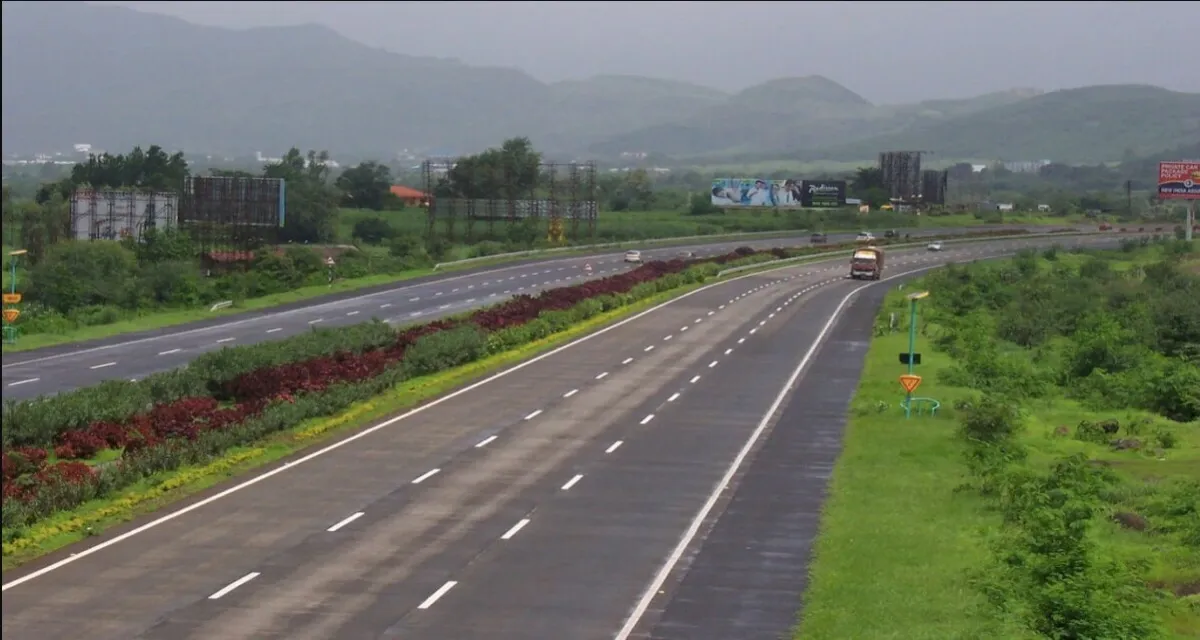
E-Challan Drive on Mumbai-Pune Expressway Shows Low Recovery
Almost a year after the Intelligent Traffic Management System (ITMS) started on the Mumbai-Pune Expressway, opponents say that the fines are not being paid back and that there are gaps in the process. The drive aimed to improve road safety but faces doubts over its results.
Between July 19, 2024, and March 2025, ITMS detected about 17.07 lakh traffic violations, issuing challans worth ₹269.47 crore. Yet only 1.51 lakh fines were paid, bringing in ₹25.17 crore—just a 9.33% recovery rate. Such a gap raises concerns about enforcement and public confidence.
Set up under a Public-Private Partnership by MSRDC with Highway Police and RTO, ITMS uses 40 gantries equipped with ANPR cameras, weigh-in-motion sensors, vehicle classification tools, speed monitors, and weather sensors.
A central control room tracks 17 types of violations in real time, including overspeeding, lane-cutting, phone use while driving, missing seatbelts, and wrong-way entry.
An RTI query revealed that ITMS began before securing required approvals under Rule 167 of the Central Motor Vehicles Rules, 1989. Official device clearances arrived only on July 16, 2024, after launch, meaning no prior technical validation. This delay fuels doubts over legality and fairness.
Proctech Solutions ITMS LLP, set up in December 2021, runs the system. Records show it earned ₹57.94 crore for issuing 8.84 lakh challans between July and December 2024—about ₹654.90 per challan (₹555 + ₹99.90 GST).
In that span, 18.25 lakh challans were raised but 6.25 lakh were later dropped during checks, highlighting verification issues.
Logistics and transport groups say the focus seems more on revenue than true safety. They note heavy vehicles bear most fines, while two- and three-wheelers often more at risk, escape scrutiny. Discrepancies in challan accuracy have also been flagged by transporters.
Given low recovery, delayed approvals, and data doubts, experts and transport bodies urge Maharashtra’s government to order an independent audit of ITMS. A transparent review could address legal gaps, check equipment accuracy, and rebuild trust in the system.
In simple words, the ITMS e-challan drive on the Mumbai-Pune Expressway shows high issue rates but under 10% collection, raising questions about process and public faith. A clear audit and better communication may help balance genuine safety goals with fair enforcement.
Also Read: