Which Indian state has the highest number of e-Challans?
The introduction of e-challans in India was made to not only make the process of issuing fines for The data relating to traffic offences and violations have been recorded by the MoRTH (Ministry of Road Transport & Highways) for tracing the number of violations and the revenue collected from them. It is also responsible for introducing traffic laws or making amendments to the current policy.
Summarizing the Top 5 Indian States with the Most e-Challans Issued
As per the data shared by the PIB on December 11, 2024, for the period January 01, 2019 - December 31, 2023, the top 5 states with the highest number of challans are: Tamil Nadu, Uttar Pradesh, Kerala, Haryana and Delhi.
As per the e-Challan statistics, these five states collaboratively accounted for around 70% of the total challans issued across the country during the specified time. Moreover, the data reveals that though Tamil Nadu excels in terms of the volume of e-Challans but U.P. generated the highest revenue out of the e-Challan penalty.
| S.No. | State/Union Territory | Number of challan issued | Revenue collection (in Rupees) |
|---|---|---|---|
| 1. | Tamil Nadu | 5,57,62,916 | 7,55,58,16,274 |
| 2. | Uttar Pradesh | 4,40,03,150 | 24,95,18,72,926 |
| 3. | Kerala | 1,88,35,738 | 6,90,92,02,912 |
| 4. | Haryana | 1,03,90,665 | 14,65,17,51,846 |
| 5. | Delhi | 90,22,711 | 5,71,43,38,802 |
The Detailed e-Challan Statistics
Below is the extensive data of the e-Challans issued during January 01, 2019, to December 31, 2023, across different states of India. The table does not include the states of Telangana, Arunachal Pradesh, Nagaland and the Union Territories of Lakshadweep and Andaman & Nicobar. The reason behind it is that the e-Challan system was not implemented at these locations during the said period.
| State/Union Territory | Number of challan issued | Revenue collection (in Rupees) |
|---|---|---|
| Tamil Nadu | 5,57,62,916 | 7,55,58,16,274 |
| Uttar Pradesh | 4,40,03,150 | 24,95,18,72,926 |
| Kerala | 1,88,35,738 | 6,90,92,02,912 |
| Haryana | 1,03,90,665 | 14,65,17,51,846 |
| Delhi | 90,22,711 | 5,71,43,38,802 |
| Rajasthan | 58,55,678 | 13,93,47,99,915 |
| Odisha | 54,11,511 | 5,00,06,47,690 |
| Bihar | 43,41,219 | 14,03,85,98,368 |
| Himachal Pradesh | 36,06,736 | 3,81,74,53,286 |
| West Bengal | 33,44,857 | 3,18,46,88,520 |
| Gujarat | 33,31,209 | 6,80,31,93,071 |
| Maharashtra | 30,91,878 | 9,44,11,27,057 |
| Goa | 25,86,910 | 78,30,56,228 |
| Chandigarh | 22,90,051 | 1,49,99,55,378 |
| Madhya Pradesh | 20,19,408 | 69,21,38,896 |
| Assam | 18,08,274 | 3,51,13,99,862 |
| Jammu & Kashmir | 17,62,845 | 50,38,34,565 |
| Uttarakhand | 14,30,163 | 1,65,34,12,974 |
| Tripura | 8,24,362 | 26,80,74,243 |
| Jharkhand | 6,71,941 | 50,07,44,416 |
| Chhattisgarh | 4,93,068 | 33,79,34,672 |
| Punjab | 4,07,691 | 31,53,48,085 |
| Andhra Pradesh | 3,87,676 | 77,49,215 |
| Pondicherry | 2,90,868 | 6,29,94,200 |
| Karnataka | 2,79,957 | 5,28,61,700 |
| Meghalaya | 70,531 | 6,58,82,600 |
| Dadra and Nagar Haveli & Daman and Diu | 57,985 | 3,51,64,187 |
| Mizoram | 15,709 | 1,38,12,800 |
| Manipur | 7,128 | 4,25,99,12 |
| Sikkim | 1,564 | 73,03,090 |
| Ladakh | 651 | 2,96,625 |
*As per the data shared by the PIB on December 11, 2024.
Initiatives taken by the government to reduce traffic violations in 2025
In 2025, the Indian government continues to implement and expand a wide range of initiatives aimed at reducing traffic violations and improving road safety. These efforts include leveraging technology, enhancing law enforcement, promoting road safety awareness, and creating infrastructure that supports safer driving.
Here are some key initiatives undertaken by the Indian government to reduce traffic violations:
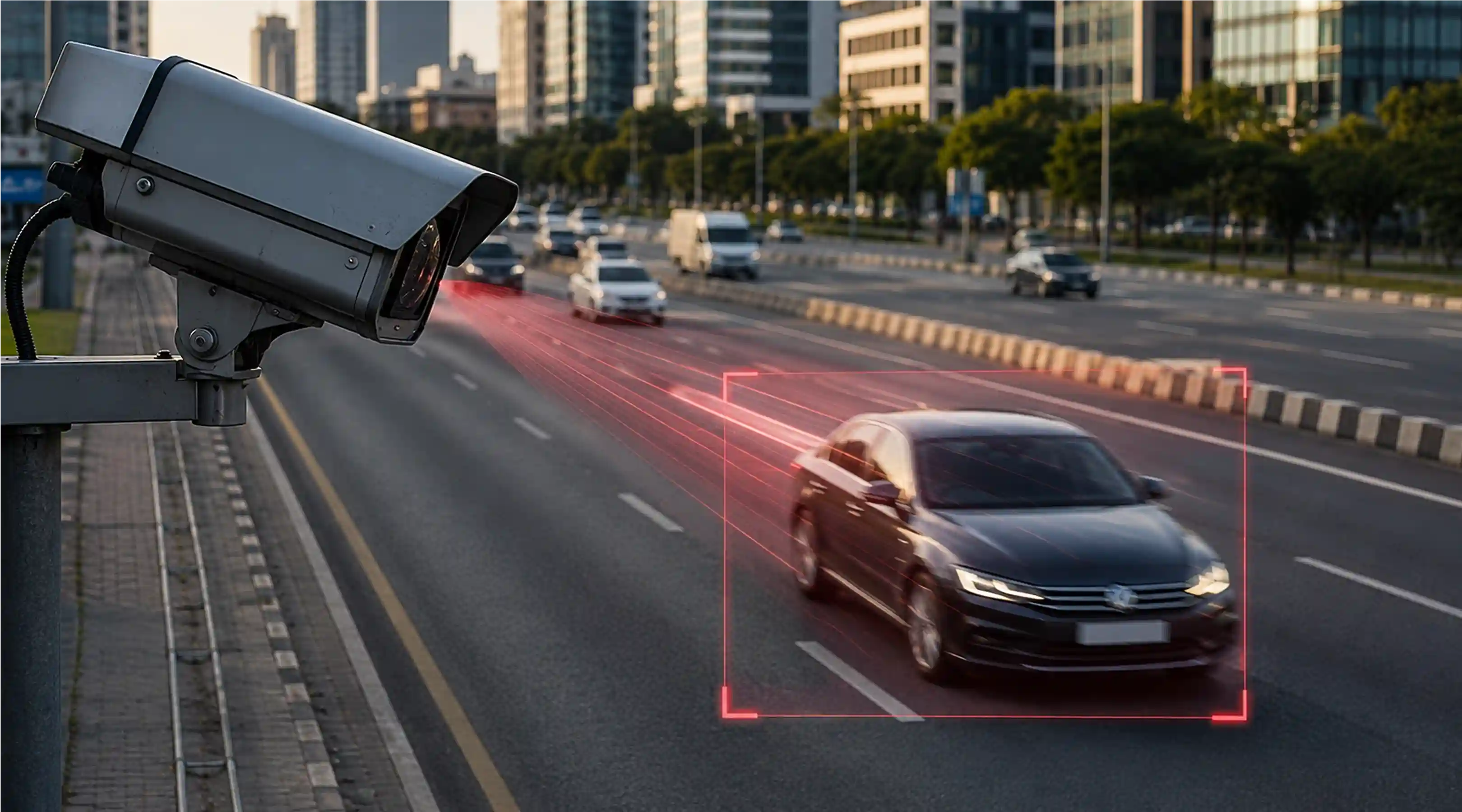
Intelligent Traffic Management Systems (ITMS): Many cities in India, such as Delhi, Mumbai, and Bengaluru, have started implementing AI-powered traffic management systems. These systems use real-time data, cameras, and sensors to monitor traffic flow and detect violations like speeding, red-light jumping, and illegal lane changes. The technology can also automatically generate the ITMS challan and send notices to violators.
Stricter Penalties and Fines: The Motor Vehicles Act, 2019, which was amended to introduce stricter penalties for traffic violations, has been fully enforced in many states by 2025. The revised law significantly increased the fines for offences such as drunk driving, speeding, etc.
Drone-Based Traffic Monitoring: In 2025, states like Uttar Pradesh and Gujarat have been experimenting with drones to monitor major traffic hotspots, particularly during festivals or events when traffic violations tend to spike.
Zero-Tolerance Zones: The government has established zero-tolerance zones for violations like drunk driving and overspeeding in certain urban and highway areas. These zones are typically equipped with multiple enforcement tools, including breathalyzers, radar speed guns, and traffic cameras to ensure strict enforcement of the traffic laws.
Public Awareness Campaigns: The Ministry of Road Transport and Highways (MoRTH) and state governments have been running nationwide awareness campaigns under slogans like "Safe Drive, Save Life" to educate citizens about the importance of following traffic laws.
Conclusion
The e-Challan data shared by PIB clearly shows that states with stronger enforcement and digital systems, such as Tamil Nadu and Uttar Pradesh, are leading in challan implementation. As India continues to adopt AI-driven traffic management, smart surveillance, and public education campaigns, the goal is not just to issue challans — but to foster a culture of responsible and law-abiding driving.