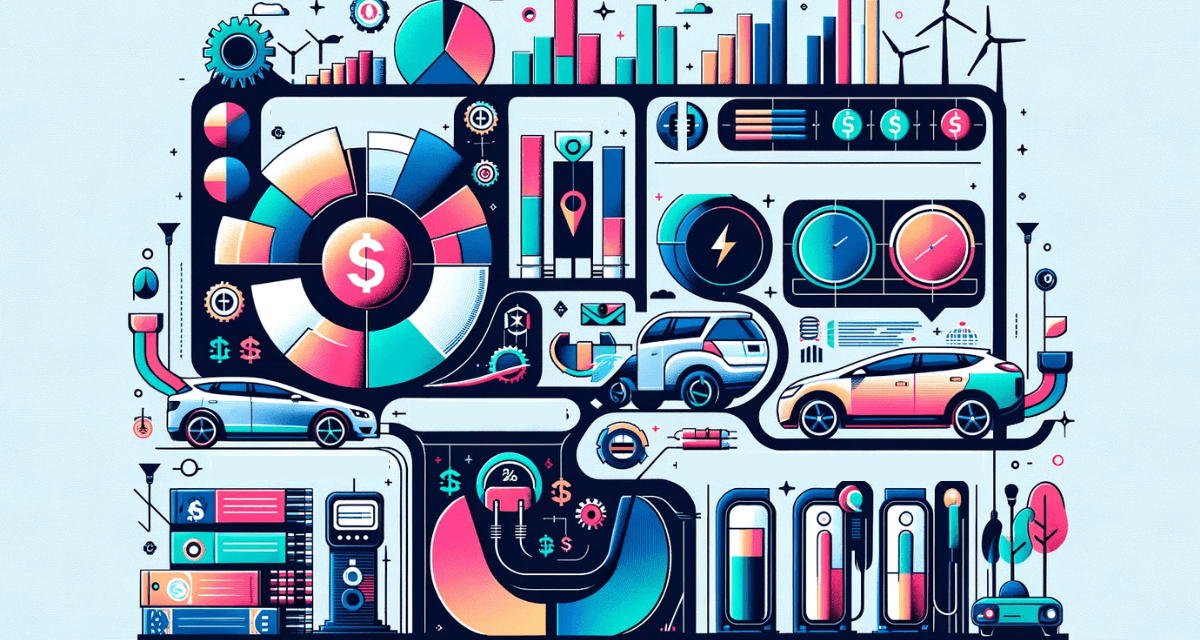
As February 1, 2024 approaches, Finance Minister Nirmala Sitharaman is set to reveal India's Interim Union Budget 2024. Amidst fiscal intricacies, the focus sharpens on GST, deductions, and tax credits. The interim budget scrutinizes the Income Tax Act, emphasizing figures in lakhs and crores. While GDP, interest rates, and expenditures fade, the electric vehicles (EVs) sector takes center stage. Expecting strategic moves in subsidies and exemptions, this budget holds a tax tango, eyeing rates, deductions, and the economic roadmap. A pivotal moment for recovery, its impact will echo in the months ahead. Let's explore what it may bring for EVs.
What the 2023 Budget Brought for EVs
In the grand budgetary banquet of 2023, a platter of changes arrived for electric vehicles (EVs). The reduction in customs duty (5% to 20%) on machinery and capital goods for lithium-ion battery production signaled a shift. A boon for EV prices, this move fortified the Advance Cell Chemistry PLI scheme. The GST feast remained untouched, holding steady at 5% for EVs, lithium-ion battery packs, and charging stations. Importantly, the reduction in customs duties on lithium-ion cell production components, from 21% to 13%, emerged as the showstopper. This reduction echoes the government's eco-friendly anthem, encouraging local manufacturing, curbing EV costs, and steering the automotive industry toward greener pastures.
Expectations from the 2024 interim budget about EVs.
As India positions itself on the global electric vehicle (EV) stage, expectations ride high on the 2024 Interim Budget. Stakeholders are optimistic about the government's commitment to extending the Faster Adoption and Manufacturing of Electric Vehicles (FAME) scheme. With a current surge in EV registrations, the industry anticipates continued financial support to propel sustainable growth.
Tax Incentives and Infrastructure Development
- As the 2024 Union Budget approaches, expectations within the electric vehicle (EV) sector run high. Union Minister Nitin Gadkari's ambitious vision of 1 crore annual EV sales and 5 crore jobs by 2030 fuels this anticipation. Stakeholders, including Lalit Singh, CEO of TelioEV, are urging the government to sustain demand-side incentives, like tax deductions, and extend FAME-II subsidies. Emphasis on resilient charging infrastructure development, open data standards, and fiscal incentives for R&D highlights the industry's aspirations for a significant impact on India's EV revolution.
GST Rate Cut and FAME Scheme Extension in the Budget
- The ever–evolving electric vehicle (EV) industry is lobbying for key policy measures in the upcoming 2024 Union Budget. The focus centers on a potential GST rate cut on components and an extension of the FAME subsidy scheme. Hero Electric and other experts express hope for reduced GST rates, continuation of FAME-II subsidies (or introduction of FAME-III), and increased infrastructure spending for charging facilities. The demand for a uniform 5% GST on all EV spare parts aligns with industry goals for an equitable tax structure, fostering consumer confidence and affordability.
Charging Ahead:
The charging infrastructure forms the backbone of electric mobility. Industry leaders urge a substantial allocation of funds for developing an extensive charging ecosystem. Emphasis on Tier II and Tier III cities is crucial for fostering widespread adoption. Calls for open data standards and APIs for charging networks echo through the corridors of expectations, aiming to ensure seamless access and interoperability.
GST reforms:
The GST structure is under scrutiny, with demands for a rate cut on components. The hope resonates for a more equitable tax structure, especially a uniform 5% GST on all EV spare parts aligning with the 5% GST on vehicles. Clarity on GST rates for battery-swapping services becomes a key focal point, addressing the disparities faced by companies investing in this technology.
Policy Levers for Growth:
Industry captains are eyeing long-term policy measures promoting EV adoption. Anticipations include reduced GST rates, an extension of FAME-II subsidies, or the introduction of FAME-III. The industry urges the government to fortify the EV ecosystem by promoting domestic battery manufacturing, skilling initiatives for the EV workforce, and aligning policies with net-zero goals for sustainable development.
Financial Incentives for Innovation:
The budget is awaited with expectations for fiscal incentives, including tax rebates. These incentives aim to fuel investments in research and development for software solutions facilitating advanced charging. Innovation in areas like smart grid integration, dynamic pricing, and demand forecasting is deemed vital for optimizing energy use and enhancing charging efficiency.
Green Light on GST for Batteries:
Calls resound for the reduction of GST on lithium-ion batteries, a pivotal component in the EV landscape. The expectation is not only to make EVs more affordable but also to address the challenges faced by manufacturers in the high-cost battery domain. Suggestions for a comprehensive study on battery standardization and a stable battery swapping policy find a place in the wishlist.
Financing the EV Revolution:
The financing sector anticipates positive signals in the budget, especially concerning an extension of FAME-II subsidies. A potential Priority Sector Lending status for electric auto financing is seen as a strategic move, aligning with the government's drive to phase out conventional fuels. Optimism surrounds the budget's role in accelerating the growth of the auto financing sector, particularly in the realm of electric vehicles.
Conclusion
India is fully packed for its journey ahead with the EVs. The important thing is how private players and the government coordinate to make it a vehicle for the masses and for the future.While this article has covered the expectations from the 2024 Interim budget, we have lined up another article for explaining in detail, what exactly is the FAME-II Scheme and how does it affect the stakeholders (including the consumers). Stay tuned with Park+’s website for all things cars.