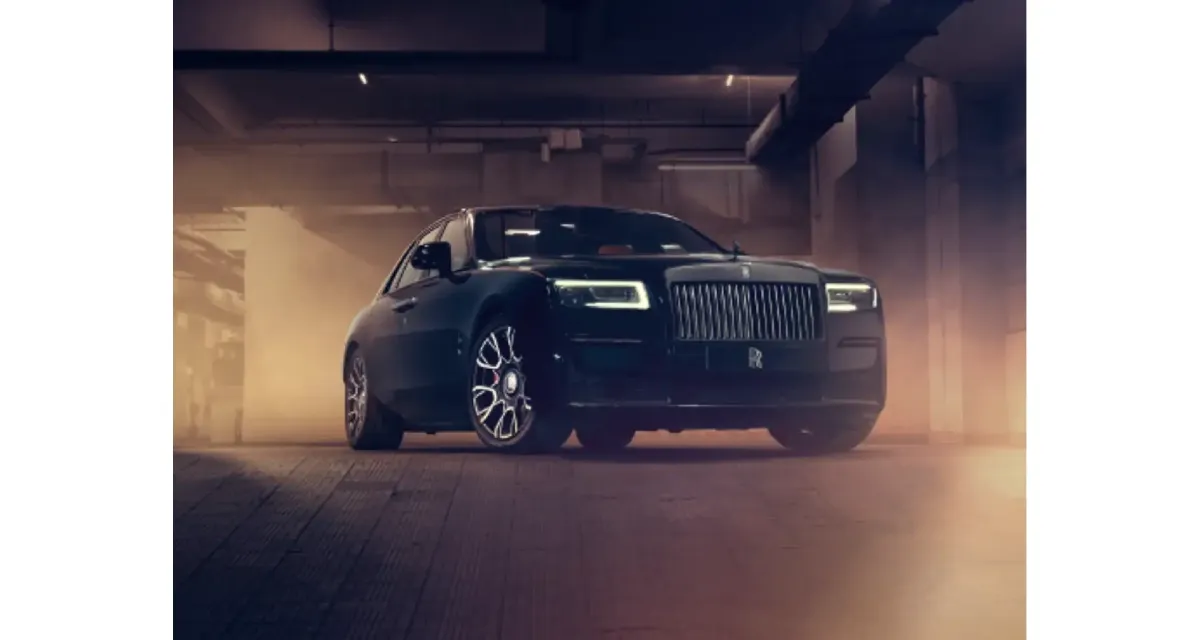
Rolls-Royce Abandons Its 2030 All-Electric Target, V12 Here to Stay
Rolls-Royce's decision to reverse its all-electric-by-2030 target, citing softer customer demand and easing government regulations worldwide.
It also examines the brand's continued but more flexible approach to electrification, alongside a wider industry trend of luxury manufacturers stepping back from hard EV deadlines.
When Rolls-Royce unveiled the Spectre in 2022, optimism around electric vehicles was running high. Former CEO Torsten Muller-Otvos used the occasion to announce that the brand would phase out its V12 engines entirely by 2030, a statement that felt, at the time, entirely in keeping with the mood of the industry.
Four years later, circumstances have changed considerably. Current CEO Chris Brownridge has confirmed to The Times that Rolls-Royce will not be going fully electric by the end of the decade. He was candid about the reasons, noting that the original pledge was shaped by a set of conditions that no longer hold.
Regulatory targets have since been relaxed by governments across the world, and customer demand for electric vehicles has cooled far more than the industry had anticipated.
At the heart of this reversal is a straightforward truth about the brand's buyers. A significant portion of Rolls-Royce's global clientele has made clear that they still prefer the character and heritage of a large combustion engine.
For customers spending at this level, concerns such as public charging infrastructure and range anxiety sit uncomfortably alongside expectations of effortless luxury.
Brownridge put it plainly. The V12, he said, is part of the marque's history, and for every client who embraces an electric vehicle, there is one who does not. The brand's stated position is now simple: it builds what is ordered. Every combustion-engined Rolls-Royce in the current range, the Ghost, the Phantom and the Cullinan SUV, uses a 6.75-litre twin-turbocharged V12, and that will remain the case for the foreseeable future.
The numbers behind the Spectre offer important context. Muller-Otvos had previously set a target for the electric coupe to account for 20 per cent of annual sales, rising to 70 per cent by 2028.
In reality, the Spectre moved just 1,002 units in 2025, a 47 per cent drop from the 1,890 sold the year before. The Cullinan, meanwhile, remained the brand's bestseller with 3,291 units in the same period. Rolls-Royce has since stopped offering public targets for EV sales penetration altogether.
Stepping back from the 2030 deadline does not mean abandoning electric cars entirely. Work on Rolls-Royce's first electric SUV is progressing, with a debut expected sometime in 2026.
A prototype was recently spotted testing in Sweden, showing blocky, upright proportions reminiscent of the Cullinan, though with its own distinct styling.
The brand's new approach treats electrification as an ongoing option rather than a mandatory transition, allowing combustion and electric models to coexist and letting buyers choose the powertrain that suits them.
The Goodwood marque is far from alone in changing course. Volvo has pulled back from its target of going EV-only by 2030. Bentley has pushed its own all-electric ambition from 2030 to 2035.
The Lamborghini Lanzador, originally conceived as a pure electric SUV, will now arrive as a plug-in hybrid. Porsche's forthcoming K1 flagship SUV has also been repositioned away from an electric-only launch. Across the luxury segment, the industry-wide rush to set hard electrification deadlines is giving way to a far more considered, customer-driven reality.
Also read: