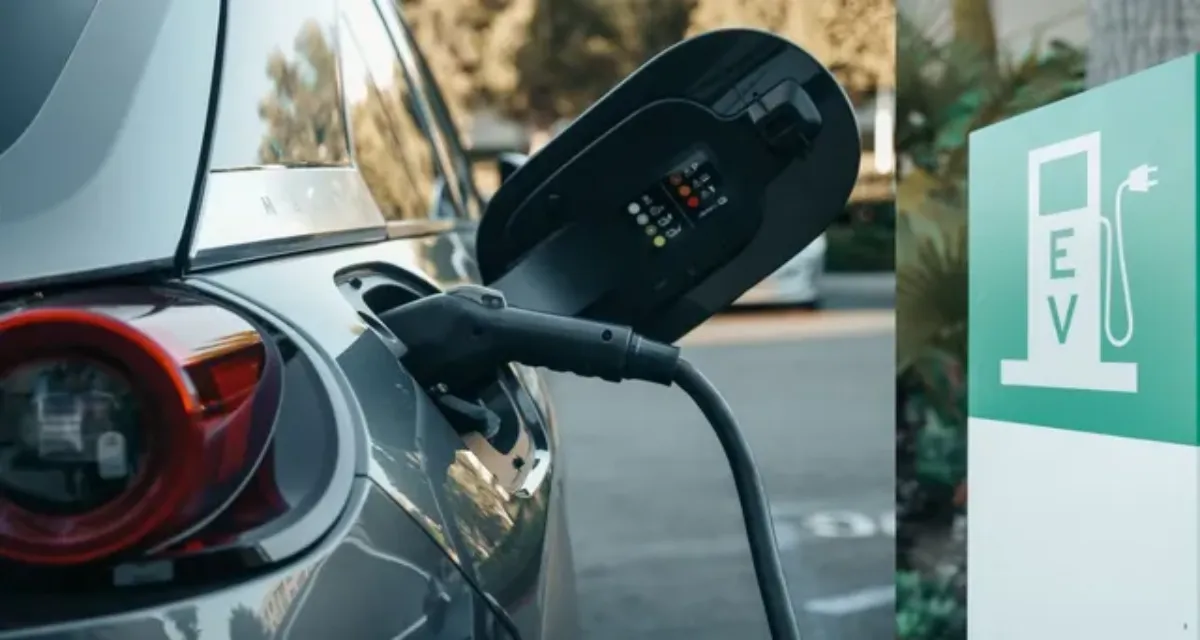
EV Policy in the Draft for Delhi: Limit on Petrol Vehicles and An Outright Ban on Two-Wheelers Awaiting
The government of Delhi has come up with an electric vehicle (EV) policy draft, which fundamentally changes the ownership and fuel of private road vehicles throughout the whole of life towards clean air and sustainable mobility in the capital.
Of the proposed measures, the ban on sales of all new petrol, diesel and CNG two-wheelers from April 1, 2027, will be one of the most heavy-hitting measures more than a single fossil-fuel car will be allowed in any one family.
These sweeping measures form part of a renewed effort to free the capital entirely from the stigma of being one of the most polluted cities in the world. The draft stretches over 74 pages and enunciates a vision for promoting electric mobility through the dissuading of dependence on polluting fuels by tax exemptions on hybrids, laying a 50-paise surcharge per litre of petrol for fuel usage, and providing cash incentives for electric scooter buyers of up to $350.
It aims to "unseal the next phase of EV adoption, reduce air pollution, and contribute to India achieving its energy independence and net-zero targets." These are inspired by the post-dated outcome of the first electric vehicle policy of Delhi, launched in 2020, which allowed electric two-wheelers to constitute 12% of new vehicle sales in 2024.
Now, the second part of the policy is a full sprint to achieve 30% electrified vehicles by 2030. Importantly, families with more than two fossil-fuel cars will get permission to register only electric vehicles for any additional purchase.
If successful, it will create a serious social divide. Any environmental consideration involves the working and middle-class people in Delhi, who rely too much on low-cost petrol two-wheelers. In 2024, almost 450,000 two-wheelers will be sold in Delhi, which would make the total just over 67% of the city's eight million registered vehicles.
So far, two-wheeler manufacturers like Bajaj, TVS, and Hero MotoCorp may be increasingly disadvantaged depending on the ever-increasing demand for electric two-wheelers.
However, brands manufacturing hybrids such as Toyota and Maruti Suzuki may enjoy relevant tax waivers, thereby positioning themselves advantageously compared to rivals such as Tata Motors and Mahindra and Mahindra, which rely on battery electrics.
The almost ₹2,860 crores draft policy, expected to go into mass production, has sought responses from manufacturers and other stakeholders and is open for further suggestions. The fate of the somewhat revised policy depends largely on public acceptance, infrastructure readiness, and industry cooperation.
It will bring a new paradigm in terms of Delhi's transportation system but will also be a milestone in the green mobility mission of the nation.
Also Read: