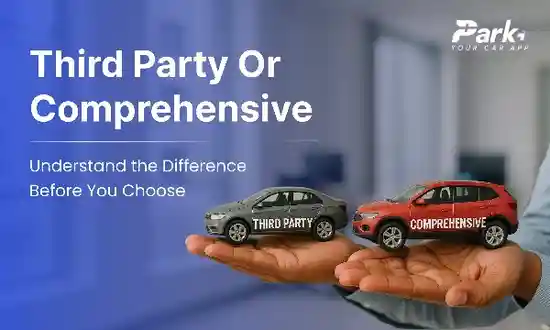
Comprehensive vs Third-Party Car Insurance: Which Is Better?
Comprehensive vs Third-Party Car Insurance: Which Is Better?
Car insurance is more than just a legal requirement; it’s your financial safety against unexpected risks on the road. Whether you drive daily or occasionally, having the right car insurance policy ensures peace of mind.
In India, car owners can choose between third-party and comprehensive car insurance. Understanding the difference between third party insurance and comprehensive insurance helps to make an informed decision that balances cost, coverage and convenience when buying or renewing car insurance.
Third-party car insurance is a mandatory policy under the Motor Vehicles Act, 1988. It protects you from any legal or financial liabilities if your vehicle causes injury, death, or property damage to another person or vehicle.
Key Highlights This policy is a non-negotiable legal requirement that acts as a basic safety net for others, but it comes with significant limitations for the policyholder.
Here are some of the features for Third-Party Car Insurance:
Comprehensive car insurance is the most recommended form of motor insurance. It is a package policy that combines two major covers: the mandatory ‘Third-Party Liability Cover’ and the ‘Own Damage (OD) Cover’. It provides all-around financial protection for the policyholder's vehicle, offering coverage against a wide range of accidental and non-accidental damages.
Key Highlights This policy offers comprehensive coverage, ensuring your car is protected from unforeseen expenses and providing you with maximum peace of mind on the road.
Here are some of the features of the Comprehensive Car Insurance:
Driving in India comes with a few essentials: a valid licence and, most importantly, car insurance. But when you look at the motor insurance options, two names always pop up: Third-Party insurance vs Comprehensive insurance. They sound similar, but their protection levels are worlds apart.
Understanding the difference between third-party insurance and comprehensive insurance is vital before choosing a plan:
| Basis of Comparison | Third-Party Car Insurance | Comprehensive Car Insurance |
|---|---|---|
| Coverage | Covers only third-party injuries, disability, death, and property damage | Covers third-party and own damages |
| Legal Requirement | Mandatory by Law | Optional but strongly recommended |
| Add-Ons | Not included | Multiple add-ons can be added |
| Premium | Lower, Budget-friendly | Higher, depending on add-ons and car value |
| No Claim Bonus (NCB) | Not applicable | Available with own damage coverage |
| Repair Coverage | Not covered | Cashless repairs in partner garages |
| Best For | Old, low-value, or rarely used cars | New, high-value, or regularly used cars |
| Own Damage Cover | Not included | Included (accidents, theft, fire, calamities) |
When it comes to deciding which policy is better, it all depends on your needs and budget. For a user driving an old, low-value vehicle who is comfortable bearing repair costs, a third-Party car insurance plan might suffice to meet the legal requirement at the lowest possible premium.
For new or expensive cars, a Comprehensive car insurance policy is technically better because it offers superior financial security by covering both your vehicle and third-party liabilities; the "best" policy ultimately differs based on the vehicle owner’s specific needs and circumstances.
Many car owners prefer some trusted platform for insurers like HDFC ERGO car insurance, ICICI Lombard car insurance, and TATA AIG car insurance for their wide coverage options, hassle-free claim process and online renewal convenience.
The Third-Party policy is suitable for a very specific set of requirements, primarily focused on meeting the bare minimum legal compliance.
The Comprehensive policy is the ideal choice for maximizing protection and ensuring long-term financial stability against vehicle-related expenses.
To make the right choice between 3rd party insurance vs comprehensive insurance policies, check the vehicle’s condition against your personal financial situation and driving habits. Consider the following crucial factors:
Both third-party and comprehensive car insurance policies play crucial roles in protecting vehicles. The difference between third party insurance and comprehensive insurance mainly lies in the extent of coverage and cost.
If you only need basic legal compliance, third-party insurance would be good. But for full protection against theft, damage and natural disasters, comprehensive insurance from a reputed insurer is the smarter choice.
While renewing car insurance, compare 3rd party insurance vs comprehensive options carefully because the right car insurance policy not only saves money but also protects what matters most, car and your peace of mind.
Third-party insurance only covers damages caused to another person, vehicle, or property. Comprehensive insurance covers both third-party and your own car’s damages.
Yes, you can upgrade your policy at the time of renewal or mid-term (depending on your insurer’s rules).
Driving without valid third-party insurance is illegal and can lead to heavy fines or legal action.
Yes, financial institutions and banks that provide car loans typically mandate that you purchase a Comprehensive Car Insurance Policy to protect their financial interest in the vehicle (the asset) until the loan is fully repaid.
No, third-party insurance does not cover theft. You need a comprehensive policy for theft protection.