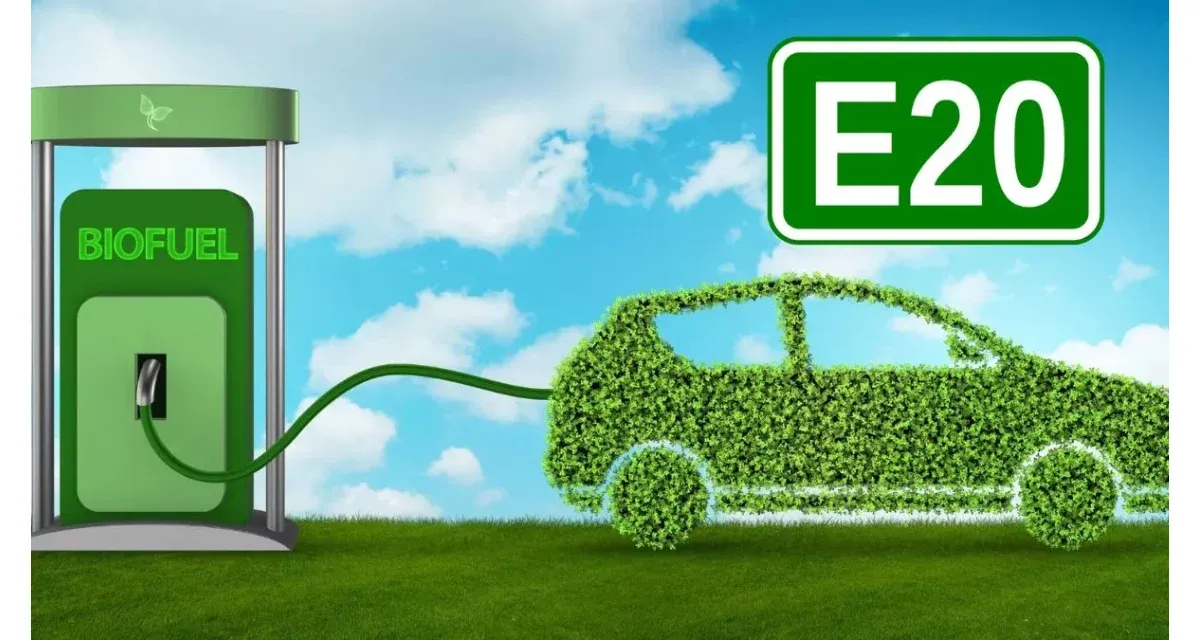
Is E20 fuel safe? Mileage and safety concerns explained
India's ethanol blending programme reached 20 percent five years earlier than originally planned.
Industry experts defend the fuel's safety even as mileage concerns persist among motorists.
India completed its move to E20 petrol last year, a full five years before the government's original 2030 target. The blend, made up of 80 percent petrol and 20 percent ethanol, is now the standard fuel sold at pumps nationwide.
Ethanol content in petrol had climbed from around 1.5 percent in 2013-14 to 20 percent by December 2025. For owners of older vehicles built for E10 fuel, the pace of change left little time to adjust before the switch took hold.
Ethanol is a much shorter carbon chain compound than petrol and carries a notably high octane rating of around 108 RON. This allows for a cleaner burn and has long made ethanol blends attractive in high performance applications thanks to their knock resistance and cooling properties during combustion. The trade off is fuel economy.
Ethanol has a lower calorific value than petrol, and this naturally brings down mileage, a point industry figures have not disputed even while defending the fuel's safety.
Beyond mileage, questions have also centred on wear in ageing vehicles. Ethanol's hygroscopic nature means it can draw in moisture, raising the risk of corrosion in fuel system parts not originally built for higher blends.
Maruti Suzuki's corporate affairs senior executive officer, Rahul Bharti, said the company tested E10 vehicles on E20 fuel across all parameters and found nothing of concern, adding that sufficient safety margins had been built into vehicle design to guard against wear, corrosion or reduced component life even in pre-2023 vehicles.
Hero MotoCorp's chief business officer, Ashutosh Verma, pointed to service data from millions of two-wheelers showing no instance of higher damage in vehicles running on E20 compared with those using earlier fuels.
Former Engineers India Limited chairman and managing director Vartika Shukla described the programme as the outcome of years of scientific assessment rather than a sudden decision, carried out through consultations with the Automotive Research Association of India and the Society of Indian Automobile Manufacturers. She noted the approach mirrors practices already followed in the United States, Brazil, Canada and Germany, and has helped reduce India's reliance on crude oil imports during recent geopolitical disruptions.
Toyota Kirloskar Motor's Vikram Gulati called ethanol a strong fuel choice, describing it as a zero carbon fuel given its plant based origin, while noting that blending has also cushioned the economy against global crude supply pressures.
Despite these assurances, the government has said any move towards higher blends such as E25 will only follow further scientific testing and consultation with stakeholders, particularly given how much concern the E20 rollout itself has already generated among motorists.
Also read: