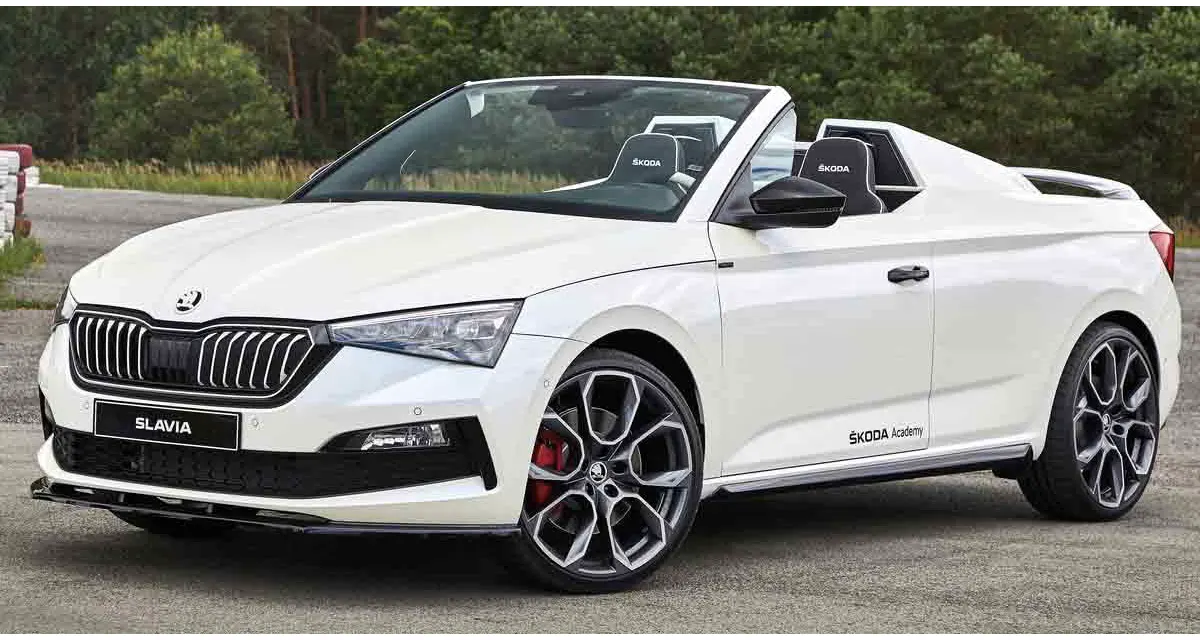
Design, Features, and Launch Expectations for the Skoda Slavia Facelift in India
Early in 2026, the next Skoda Slavia facelift is anticipated to make its debut in India with upgraded technology and design.
Advanced driver-assistance systems (ADAS) and other safety features will be included in the updated model, along with interior improvements.
Since its introduction, Skoda's Slavia, which combines strong performance, safety, and practicality, has been one of the most popular midsize sedans in India. The redesigned model has been seen, tested and hinted at in recent months, indicating an impending introduction. It is expected to be launched in the first quarter of 2026.
It is anticipated that the revised Slavia would have a more modern and tidy façade. The car will appear sharper and more upscale thanks to modifications at the front and back, even though the basic silhouette stays the same. Redesigned bumpers, an updated grille, and updated headlights are all planned.
It should feel more modern within the Slavia makeover. A larger digital instrument cluster and an upgraded infotainment system are anticipated to be installed by Skoda, giving the cabin a high-tech feel.
New upholstery, updated dashboard trimmings, and perhaps a panoramic sunroof are other improvements that could attract buyers looking for more convenience and comfort.
These improvements are consistent with the recently updated Skoda Kushaq SUV, indicating that the company is standardizing cutting-edge technology throughout its lineup.
The anticipated addition of Level 2 Advanced Driver Assistance Systems (ADAS) is one of the most discussed features of the Slavia makeover. By adding features like blind-spot monitoring, lane-keeping assistance, and forward-collision warnings, the Slavia would be able to meet changing safety standards and maintain its competitiveness.
With six airbags and strong structural integrity, the contemporary Slavia already has a 5-star Global NCAP safety certification. Its standing as one of the safest sedans in its class may be strengthened by the adoption of ADAS.
The facelifted Slavia is anticipated to have the same reliable gasoline engines as previously, with no significant internal modifications. As a result, consumers can anticipate familiar performance and efficiency metrics along with updated technology and aesthetics.
Also read: