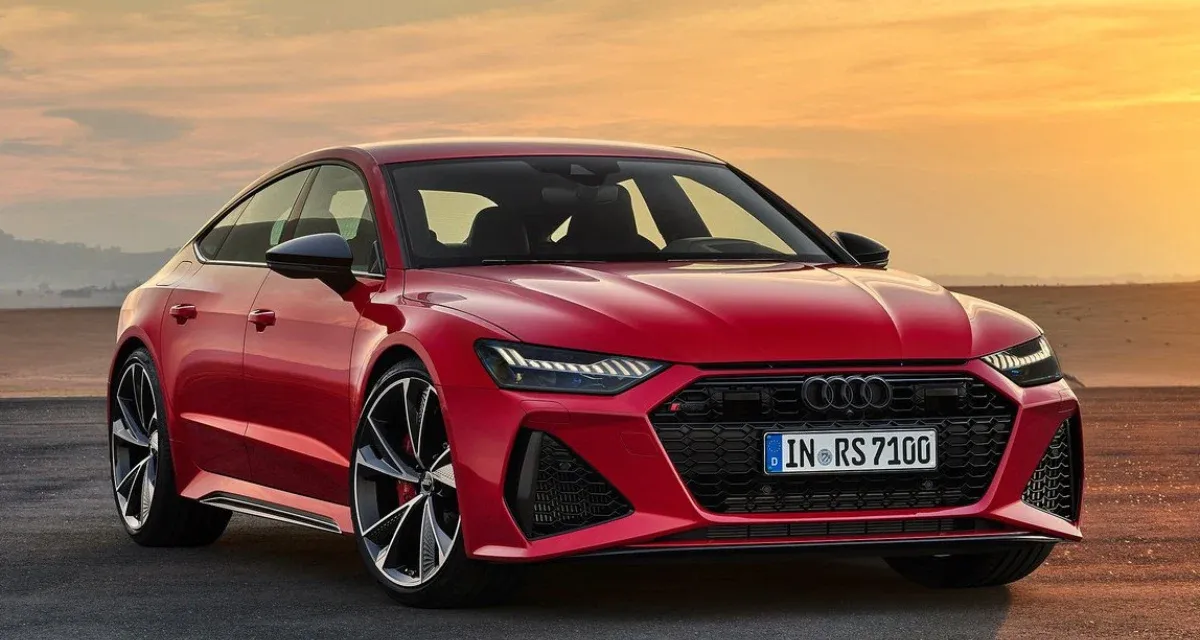
Audi, BMW, and Mercedes-Benz Vehicles Are Expected to Drop in Price in India Soon
How Indian consumers will be able to afford big European luxury automakers like Mercedes-Benz, BMW, and Audi.
What import taxes, electric cars, and the larger Indian auto sector will be affected by the tariff adjustments?
A comprehensive free trade deal (FTA) that will change import taxes on goods, including automobiles, is almost complete between the EU and India. According to the proposed agreement, import taxes on automobiles made by EU companies will be reduced from their present levels, which are often between 70% and 110%, to about 40% at first, with a gradual decrease to as little as 10% over a number of years.
Due to this change, luxury vehicles that were previously substantially more expensive because of high taxes may now be considerably less expensive for Indian consumers.
Many Mercedes-Benz, BMW, and Audi automobiles that cost more than around €15,000 (nearly ₹16 lakh) will be eligible for the lower levies. The liberalization will first be quota-based, with about 200,000 automobiles permitted under the preferential tariff annually, in order to prevent an unexpected surge of imports.
Interestingly, during the first five years of the deal, electric vehicles (EVs) will not be eligible for the tariff reductions. The purpose of this exclusion is to safeguard India's domestic EV manufacturing ecosystem, which is spearheaded by firms like Mahindra and Tata Motors and which the government has been supporting to increase local production and technological advancement.
In contrast, the new tax structure will almost instantly benefit luxury models that run on gasoline and diesel. For a long time, a number of European automakers have claimed that India's traditionally high import taxes hindered their capacity to import high-end and specialized automobiles.
The updated taxes are intended to provide a fair opening, enabling global brands to gauge consumer demand before contemplating more extensive local production or investment.
The tariff reductions could result in significant savings on expensive German vehicles for Indian owners of luxury vehicles. The gradual reductions, particularly the shift to a 10% levy, could make manufacturers like Mercedes-Benz, BMW, and Audi more affordable, even though costs won't immediately fall to European levels.
In a market that has historically been dominated by Japanese and domestic brands, reducing taxes may eventually result in more model options and increased competition.
This significant change represents a turning point in India's automotive policy, combining consumer benefits with more general economic objectives while seeking to safeguard and expand regional manufacturing interests.
Also read: