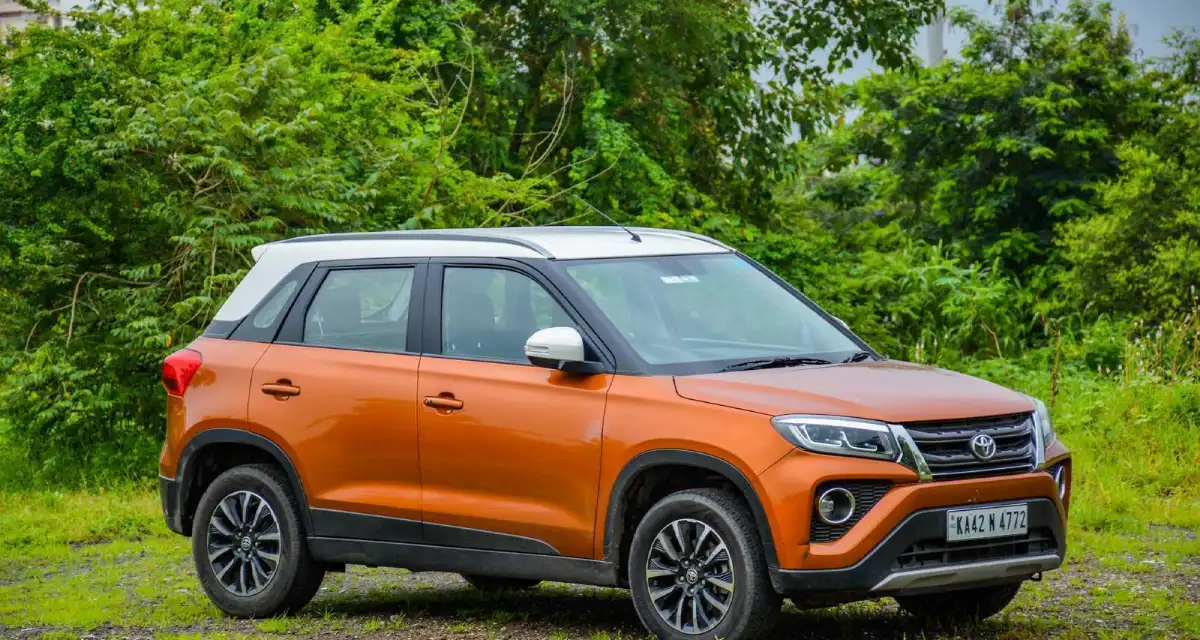
Toyota Urban Cruiser EV India Launch in January 2026: Features, Range, and Expectations
Details of the launch and the features of Toyota's new electric vehicle in India.
Design, features, battery choices, and anticipated rivalry within the electric SUV market.
Toyota is preparing to introduce its eagerly awaited Urban Cruiser EV in India on January 19, 2026, which would be the company's first significant entry into the electric SUV market in that nation.
Developed through continuous cooperation between the two automakers, this new EV is basically Toyota's take on the Maruti Suzuki e Vitara EV. With an anticipated price range of ₹21 lakh to ₹26 lakh (ex-showroom), it is a formidable competitor in the quickly expanding electric SUV market.
The Maruti Suzuki e Vitara EV and the Urban Cruiser EV share the same platform and mechanical components, but Toyota has added its own distinctive stylistic elements to give the SUV a distinctive road presence.
While the general form is functional and contemporary, the design incorporates elegant LED headlamps and unique exterior cues.
With a 10.1-inch digital instrument cluster, a 10.25-inch touchscreen infotainment system, and amenities like wireless Apple CarPlay and Android Auto, ventilated seats, and ambient lighting, the cabin promises to be both high-tech and pleasant.
The Toyota Urban Cruiser EV is anticipated to have two battery options under the hood: a 49 kWh pack and a 61 kWh pack, both of which are connected to front-wheel drive motors.
While the larger battery should provide a far longer driving range—possibly up to 543 km on a single charge under ARAI standards, the smaller battery is probably going to provide effective everyday performance.
According to rumours, the e-Vitara's options correspond with power outputs of about 144 hp and 174 horsepower, respectively.
Toyota has prioritised driver assistance technologies and safety. In addition to seven airbags, a 360-degree camera, tire pressure monitoring, and electronic stability control, the Urban Cruiser EV is anticipated to have Level 2 Advanced Driver Assistance Systems (ADAS), which include adaptive cruise control and lane-keep assistance. These elements are intended to provide comfort for long travels as well as city commuting.
The Urban Cruiser EV will enter a market that is becoming more and more competitive. It will compete with competitors in the midsize SUV market, including the Hyundai Creta Electric, Mahindra BE 6, and other future EVs.
For consumers prepared to transition to electric vehicles, Toyota's well-known engineering, robust feature set, and reputation for dependability may make this model an appealing option.
Also read: