Virtual Challan: Payment Process, Rules & Virtual Court System in India
Virtual Challan: Payment Process, Rules & Virtual Court System in India
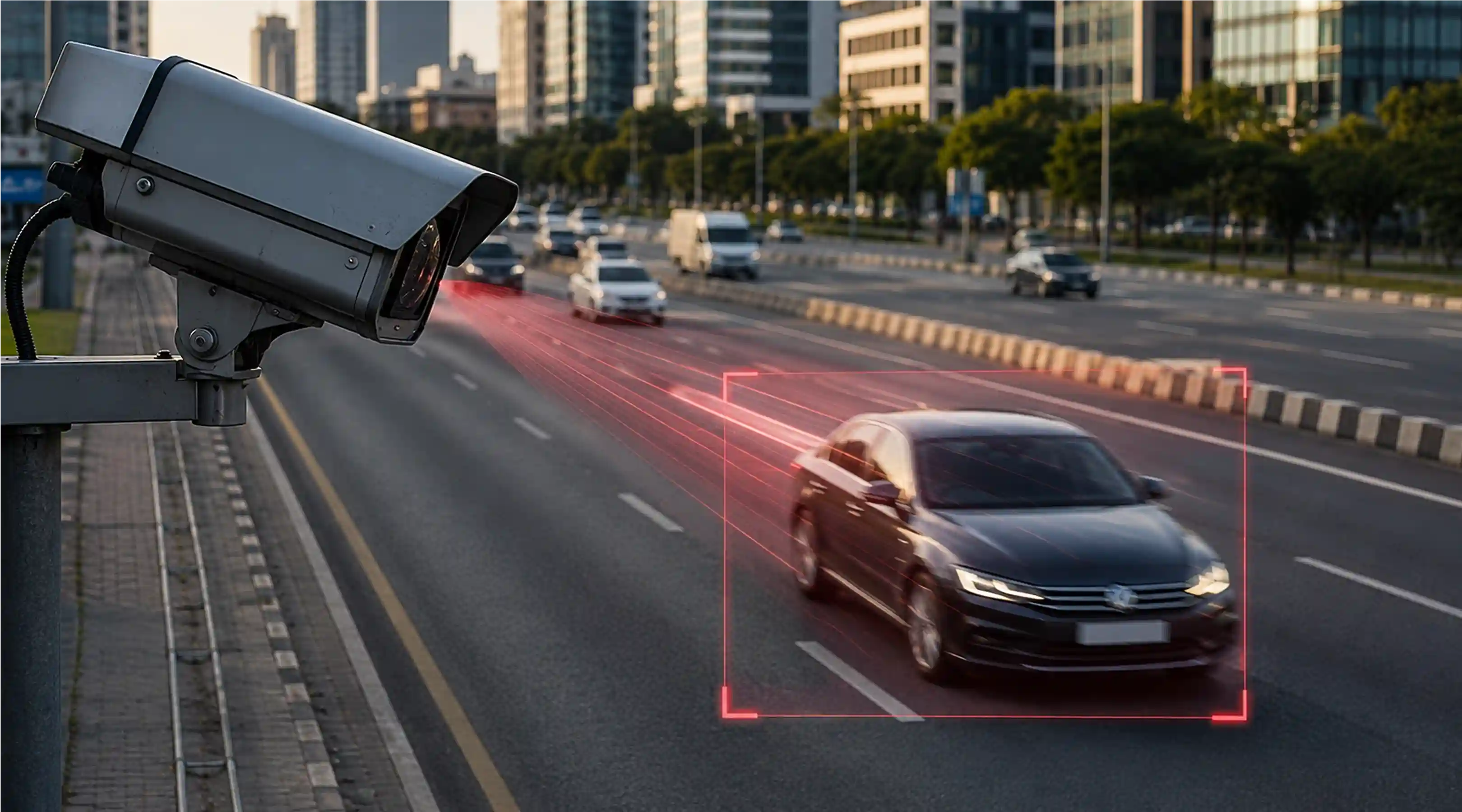
The Ministry of Road Transport and Highways (MoRTH), along with the e-Committee of the Supreme Court of India, has introduced digital systems to improve traffic enforcement and challan management across the country. Today, many traffic violations are detected automatically through CCTV cameras, AI-based monitoring systems, and online traffic databases.
As a result, drivers may receive a virtual challan or virtual court notice without being physically stopped by traffic police. Understanding how the virtual challan system works is important for every vehicle owner
A virtual challan is a digital traffic challan that has been transferred to the virtual court system for settlement. Unlike a regular e challan, which is usually managed by traffic police or transport authorities, a virtual court challan is handled through an online judicial process.
The virtual challan system was introduced under the e-Courts project to simplify traffic fine management and reduce the need for physical court visits in minor traffic cases. It helps drivers settle eligible traffic challans online while saving time and reducing paperwork.
The virtual challan system works through digital traffic monitoring and online legal processing systems.
Common process of a virtual challan
Violation Detection: Traffic authorities detect traffic rule violations through CCTV cameras or manual enforcement.
Vehicle Identification: ANPR technology captures the vehicle registration number automatically.
Challan Generation: A digital traffic challan is generated and linked with vehicle records.
SMS Notification: The registered vehicle owner receives a challan notification through SMS.
Virtual Court Processing: Serious or unpaid challans may be transferred to a virtual court challan system for further action.
Online Payment: Drivers can complete virtual court challan payment online through approved portals after the hearing.
The virtual challan system has improved the way traffic violations are managed in India. By using digital technology and online platforms, traffic authorities can process challans more efficiently and reduce delays Major benefits of the virtual challan system in India:
Faster Processing: Digital systems help traffic authorities issue and process challans more quickly.
Reduced Paperwork: Online challan management reduces manual documentation and physical paperwork.
Improved Transparency: Digital records improve accountability and minimise chances of manual errors.
Online Payments: Drivers can check and pay pending challans online through authorised platforms.
Reduced Corruption: Automated challan systems reduce cash-based transactions and unfair practices.
Although both systems are used for traffic rule enforcement, there are important differences between an e-challan and a virtual challan. Understanding the difference helps drivers manage traffic fines and legal procedures more effectively.
| Aspect | E-Challan | Virtual Challan |
|---|---|---|
| Definition | Digital traffic fine issued electronically. | Traffic challans transferred to the virtual court due to non-settlement. |
| Payment Method | Online transport/traffic payment portals. | Virtual court or dedicated online judicial payment systems. |
| Court Involvement | Usually not required (settled directly with traffic authorities). | Involves virtual court review and judicial magistrate disposal. |
| Offence Type | Minor and moderate roadside offences. | Serious traffic violations or unpaid standard e-challans. |
| Physical Visit Requirement | Rarely required. | Avoided through virtual courts unless the charge is actively contested. |
| Record Management | Stored digitally in traffic department logs. | Linked directly with national court records and traffic databases. |
Paying a pending traffic challan is now much easier through online systems. Whether your challan is an e challan or has been transferred to a virtual court, you can complete the virtual court challan online payment without going to any physical court.
When a virtual traffic challan is generated, you will receive an SMS containing details of the case and link to resolve the matter. If the challan is transferred to the virtual court, here is how you can settle it easily.
Follow these steps to pay online:
Ignoring a virtual challan may lead to additional penalties and legal complications. Unpaid traffic challans can remain linked with your vehicle records and may create problems during future vehicle verification or licence-related services. Possible consequences include the following:
The virtual challan system has made traffic challan management faster, more transparent, and convenient across India. Understanding how virtual court challan systems work can help vehicle owners avoid additional penalties, legal notices and vehicle-related complications in the future.
A challan may be transferred to a virtual court if it remains unpaid for a long period or involves certain traffic violations that require legal review.
Drivers can settle a virtual court challan in Delhi by visiting the official virtual court portal, checking pending challan details, and completing the payment process online.
Ignoring an online challan may lead to higher penalties, court notices, licence-related issues, or vehicle blacklisting in serious cases.
This status means the challan has been forwarded to the virtual court system and is currently waiting for legal verification or further processing.
No, virtual challans do not require a physical court visit if you choose to plead guilty and pay the fines.