Overspeeding Challan: State-Wise Fines for Exceeding Speed Limits
Overspeeding Challan: State-Wise Fines for Exceeding Speed Limits
Driving on Indian roads has transformed significantly in 2026. With AI-powered traffic cameras and stricter rules like the 5-Strike License Cancellation Policy, the government and authorities have been trying to control traffic violations and mishaps.
Whether you drive in city traffic or on expressways, crossing the speed limit can lead to heavy fines and legal consequences.
In 2025 alone, more than 27 lakh overspeeding fines were issued alone in Delhi. These figures show it is one of the most common traffic offences in India. Understanding the latest overspeeding challan rules can help drivers avoid heavy fines, licence issues and legal complications.
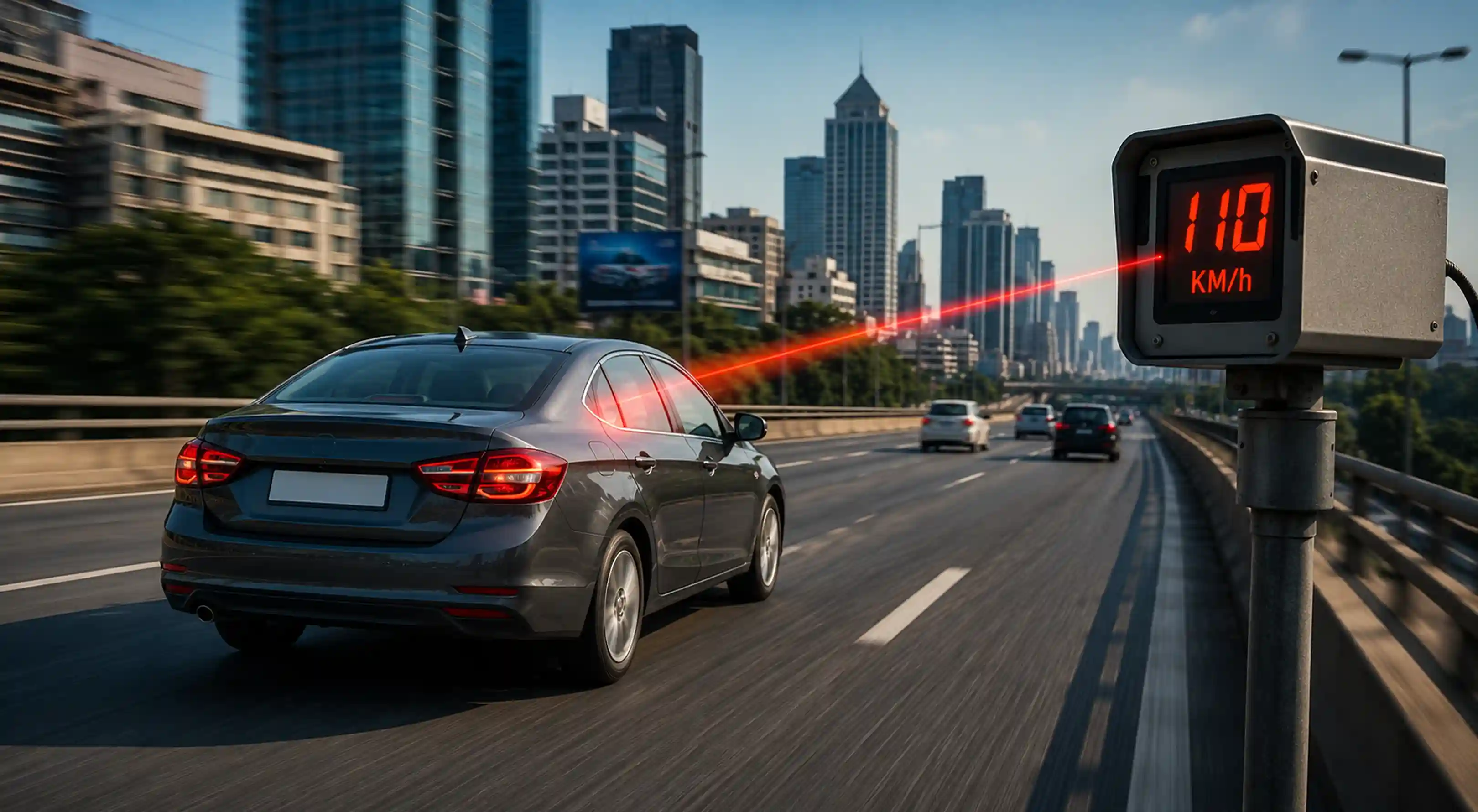
An overspeeding challan is a digital (e-challan) or physical penalty notice issued when a vehicle exceeds the designated speed limit for a specific stretch of road. In 2026, these are primarily e-challans generated via Automated Number Plate Recognition (ANPR) cameras and speed sensors.
Any driver, whether driving a private car, two-wheeler or commercial vehicle, can receive a challan for overspeeding for crossing the permitted speed limit.
The fine for overspeeding is governed by Section 183 of the Motor Vehicles Act, 1988, but the exact amount often depends on the state and the type of vehicle.
| Type of Vehicle | Fine |
|---|---|
| Light motor vehicle | ₹1,000-2,000 |
| Medium goods vehicle or medium passenger vehicle | ₹2,000-4,000 |
| Heavy goods vehicle or heavy passenger vehicle | ₹2,000-4,000 |
*These are the generic figures. The traffic penalty amount might differ based on the vehicle type and state rules.
While the central government sets the base range, states have the authority to fix specific amounts.
First offence: For committing the violation for the first time:
Second offence: For repeated overspeeding violations:
The fine for exceeding the speed limit in Uttar Pradesh will attract the following fine: - 2W: ₹1,000 + licence suspension upto 3 months (might vary) - LMV: ₹2,000 - MPV/HPV: ₹4,000
First offence: For exceeding the speed limit for the first time, the fines are:
Second offence: For repeated overspeeding violations:
First offence: The fine for driving/riding a vehicle beyond the speed limits is:
Second offence: ₹3,000 for repeated overspeeding violations.
First offence: For violating the speed limits for the first time in West Bengal, the fine is:
Second offence: For repeating the overspeeding violations:
First offence: ₹1,000 for exceeding the speed limit
Second offence: For repeated overspeeding violations, the driving license of such a driver shall be impounded as per the provisions of section 206(4)
NOTE: The fines also vary depending on the vehicle type.
An overspeeding challan is issued when a driver crosses the permitted speed limit or drives in a manner that puts public safety at risk. Traffic authorities use cameras, radar systems and on-road monitoring to detect such violations:
Speed limits in India are determined by the road's design, the surrounding environment (school zones, hospitals), and the vehicle type. Speed limits vary depending on the type of road, traffic conditions and surrounding environment.
Here are the commonly permitted speed limits in India:
Authorities may also temporarily reduce speed limits near the following: - Schools and hospitals - Construction zones - Accident-prone areas - High-traffic city sections
Traffic authorities issue an overspeeding challan through two major methods.
On-the-Spot Challan: A traffic police officer stops your vehicle, detects the overspeeding violation, and issues a physical or digital receipt.
E-Challan: This is the most common method in 2026. Speed cameras, radar guns and AI-enabled surveillance systems installed on roads and highways capture vehicles exceeding the speed limit. The e challan is then generated automatically against the vehicle’s registration number.
You can check and pay your overspeeding challan online or offline using the following methods:
Paying your overspeeding challan online is quick and convenient, allowing you to clear fines without visiting a traffic office. You can also complete an online challan check and payment in just a few steps.
The 2 most reliable and simple platforms to check and pay traffic challan are: Park+ and Parivahan.
Park+
Parivahan
Visit the nearest traffic police station or RTO office with your vehicle details and driving licence. The officer will verify your challan and inform you of the overspeeding fine amount. After payment, you will receive an official receipt, which should be kept safely for future reference.
An overspeeding challan is not only about paying money. Repeated speeding violations can create serious legal consequences.
Avoiding an over speeding fine is simple if you follow traffic rules carefully.
With stricter traffic monitoring and AI-based enforcement systems across India, following speed limits is more important than ever. Staying aware of road signs and driving responsibly can help you avoid an overspeeding challan and ensure safer travel.
An overspeeding challan is a traffic fine issued when a vehicle exceeds the prescribed speed limit.
The overspeeding challan in Delhi generally starts from ₹2,000, and for repeat offences, it will be ₹4,000.
Light vehicles in Rajasthan may receive an overspeeding fine of around ₹1,000 for the first offence.
Overspeeding challans can be paid online through Parivahan and Park+.
Yes, commercial and heavy vehicles usually face higher overspeeding fines compared to private cars and two-wheelers.
Unpaid challans may lead to additional penalties, court summons or licence-related issues.
Yes, AI-enabled speed cameras and radar systems can automatically detect speeding vehicles and generate an e-challan.